What is Chiang Mai famous for?
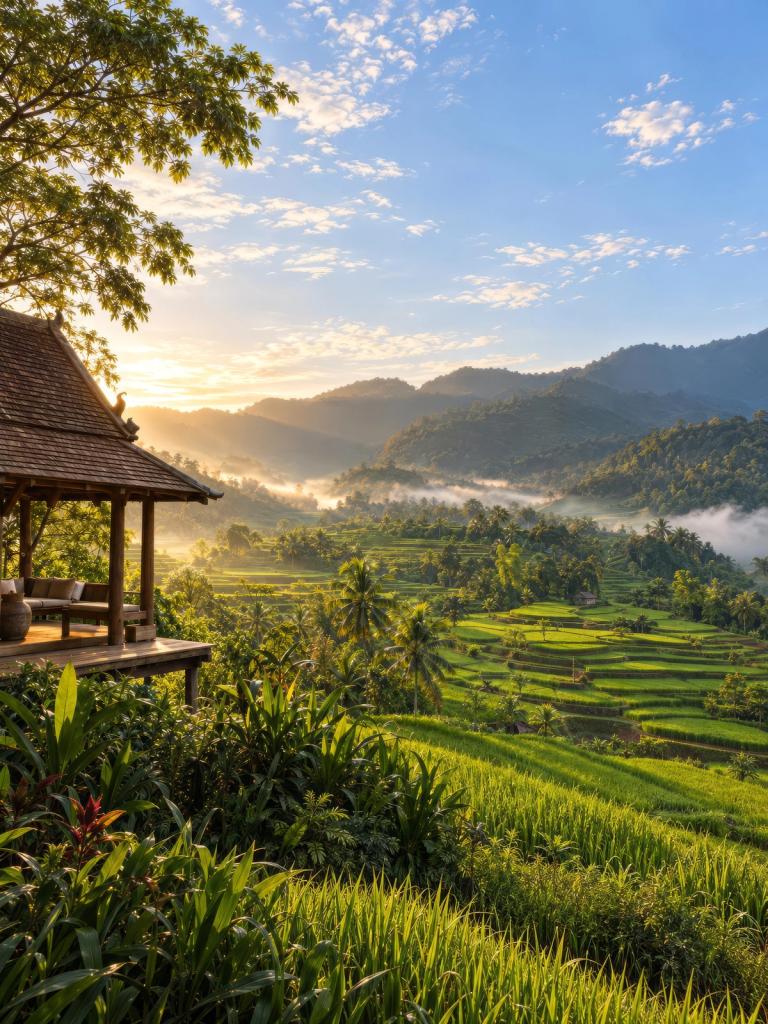
You have done Bangkok and want the other Thailand: cooler air, temples and mountains. Chiang Mai is famous for exactly that. It has an old walled city full of temples and its own Lanna culture. The green mountains around it and the Yi Peng lanterns each November add to the draw. Then there is the food, above all khao soi.
The old city sits inside a square moat with brick gates at its corners. Inside are quiet lanes, old wooden houses and some of the country's most beautiful temples. It feels calm compared with Bangkok.
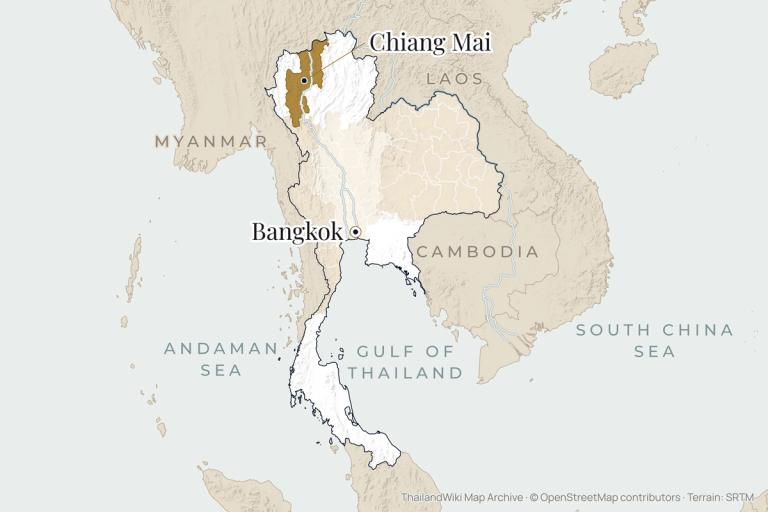
The Royal Society of Thailand counts nine provinces in the north, and Chiang Mai is the largest city among them.
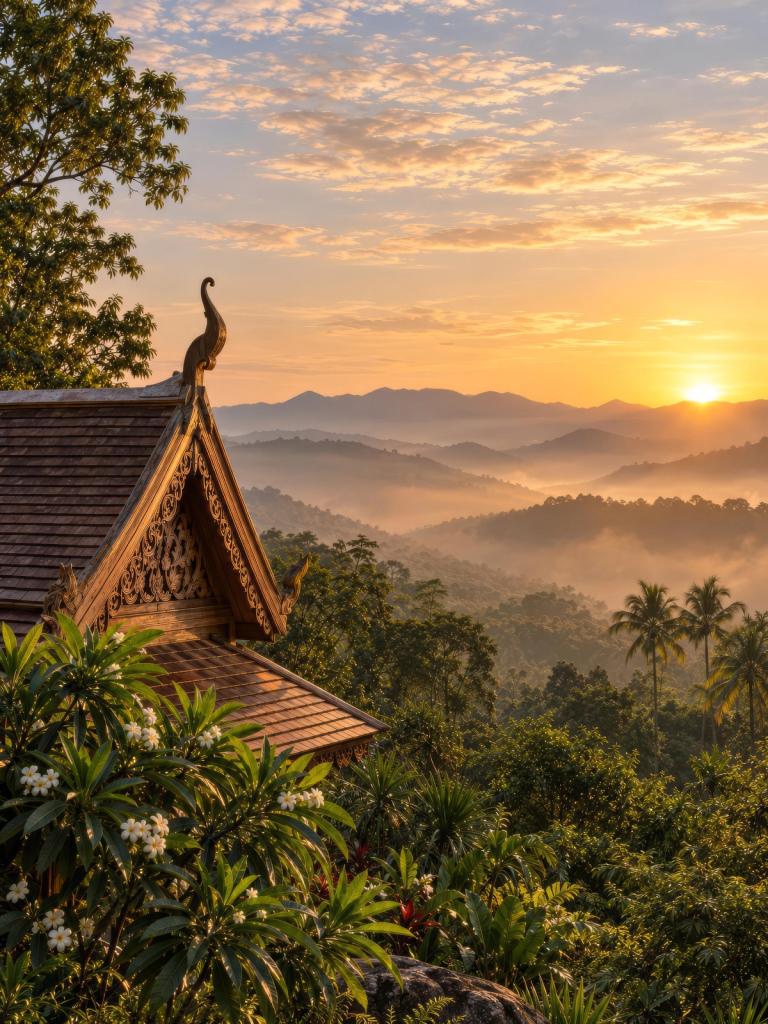
Around the city, mountains rise on every side. Doi Suthep looks down on the old town from the west.
This is a city for slowing down. You reach Doi Suthep at six, before the tour buses, and the city is still blue below you. Lunch is long and in the hills.
Which months suit Chiang Mai best?
The best time to visit Chiang Mai is November to January, when days are cool, dry and clear. Thai Meteorological Department records for Chiang Mai show only about 10 to 14 mm of rain a month from December to February. September is the wettest month, at about 207 mm on 18 rainy days. Nights in the hills can feel cold.
Rain figures alone do not tell the whole story. In the cool months you can often see the whole valley from Doi Suthep. In the smoky months you may see very little.
November is our favourite month. The rains have ended, the rice fields are still green, and Yi Peng and Loy Krathong fill the city with light. Hotels fill early for that week, so book well ahead.
December and January bring the coolest weather. Mornings in the mountains can be close to cold, so bring a light jacket. These months suit golf, temple visits and long drives to Doi Inthanon.
Chinese New Year falls on 6 February 2027, at the edge of the cool season. It is a busy week, with crowds from across Asia, so book rooms and drivers early if your dates fall then.
February to April is hot and, in most years, smoky. We explain the haze honestly in the next section. May to October is the green season, with afternoon storms and lush forests.
Two events in the coming season are worth planning around. Chiang Mai Design Week runs from 5 to 13 December 2026. Gaia Beats, a small music festival, runs from 22 to 24 January 2027 at a hot-spring resort in Mae On. The national picture, month by month, is in our Thailand weather guide.
For every month, the burning season and the festival dates, see our best time to visit Chiang Mai guide.
How bad is the smoky season in Chiang Mai?
The smoky season in Chiang Mai runs mainly from February to April and peaks in late March or early April. Pollution Control Department data show the province had 99 days over Thailand's 24-hour PM2.5 standard in 2023. That fell to 87 in 2024, 60 in 2025 and 53 in the first five months of 2026.
The smoke comes mostly from crop burning and forest fires across the region. The worst single day on record in recent years was 30 March 2023, at 365 µg/m³. Thailand's standard is 37.5 µg/m³ over 24 hours.
The trend is better. The province banned outdoor burning from 1 January to 31 May 2026, and the number of bad days has fallen each year since 2023.
We do not publish monthly averages, because no official monthly figures exist. What we can say is simple: November to January is the clear-air season, and late March is the riskiest time.
If you have a choice, come between November and January. If your trip must fall in March or April, plan most of it on the coast, where the air is clear. Keep Chiang Mai short.
Take the haze seriously if you travel with young children or anyone with asthma or a heart condition. Talk to your doctor before you come in the smoky months.
Which area of Chiang Mai should you stay in?
Choose the Old City for temples on foot, or the riverside for calm and views. Choose Nimman for cafés and shopping, or the Mae Rim and Hang Dong valleys for resorts in nature. The city is small, so no area is far from the others by car. The right choice depends on whether you want town or countryside.
Old City. The walled centre, with temples on every lane and small heritage hotels. It is the best place to walk, eat and explore. It is quiet at night, except on Sunday. Read our Old City guide.
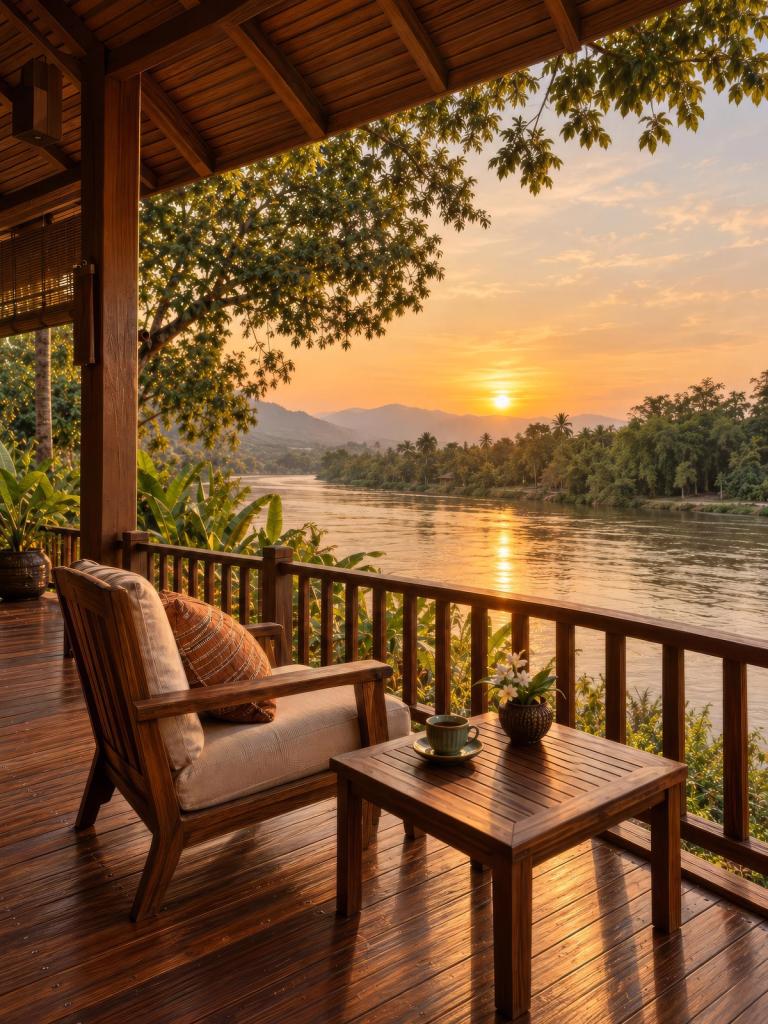
Riverside. The banks of the Ping River, east of the old city, have the larger luxury hotels and some good restaurants. It is calm, green and close to the night market by car.
Nimmanhaemin. Known as Nimman, this is the modern district west of the old city, near the university. It has cafés, galleries, shopping malls and the city's livelier bars. See the Nimmanhaemin guide.
Mae Rim. A valley of rice fields and forest north of the city, home to the most famous resort in the area. It feels like the countryside, yet the city is close by car. Read our Mae Rim guide.
Hang Dong. South-west of the city, with resorts against the mountains, golf and craft shops. It suits a slower stay with space and views. Our Mae Rim guide also covers these hill resorts.
Our call: split your stay. Take two nights in the Old City for temples and food, then three in a valley resort for rest.
A valley resort in Mae Rim or Hang Dong means a longer drive to dinner in town. So we plan your city evenings for the nights you stay in the Old City.
Where should you stay in Chiang Mai?
The best places to stay in Chiang Mai start with Four Seasons Resort Chiang Mai in the Mae Rim valley. 137 Pillars House by the river and Rachamankha in the Old City complete our top three. All three appear in the MICHELIN Guide's 2026 Key list. Anantara, Tamarind Village and the valley retreats are strong choices too.
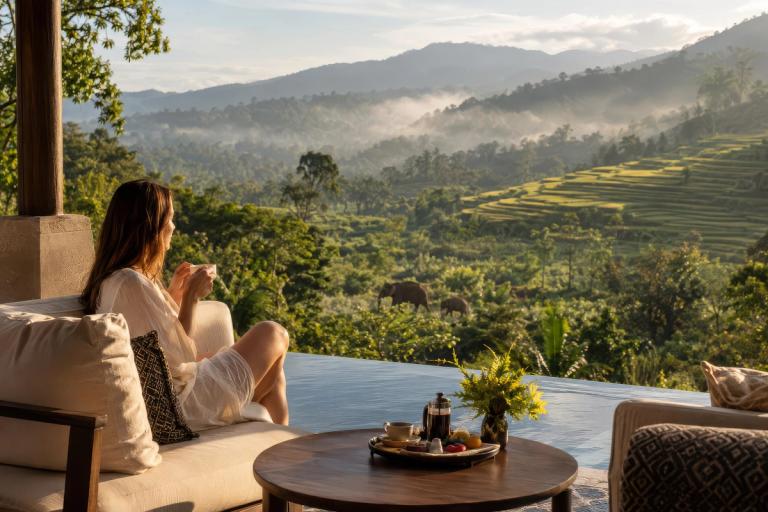
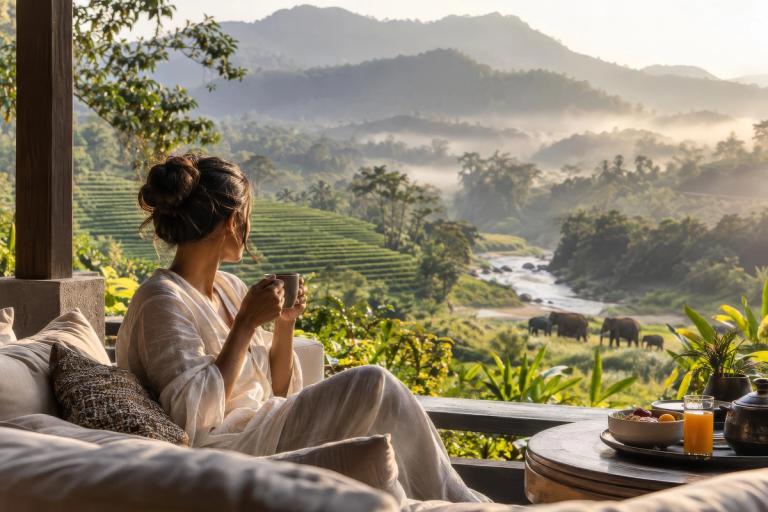
Four Seasons Resort Chiang Mai, Mae Rim. Pavilions and pool villas set around working rice terraces in a quiet valley. It holds three MICHELIN Keys in 2026, the highest level. The resort's own page puts it 30 to 45 minutes by car from the airport. It is the choice for a slow, private stay.
137 Pillars House, Wat Ket. A restored teak house from the teak-trading days, with suites around a garden near the river. It holds two MICHELIN Keys in 2026. It suits couples who want history with modern comfort.
Rachamankha, Old City. A calm hotel in Lanna style, built next to Wat Phra Singh, with 25 rooms and suites. It holds two MICHELIN Keys in 2026. You can walk to the main temples from the gate.
Tamarind Village, Old City. A courtyard hotel off Ratchadamnoen Road, with 41 rooms and 5 suites around a tall old tamarind tree. It is good value and close to everything.
Anantara Chiang Mai, Riverside. A modern resort on the Ping River, close to the night market, with a good spa and a river terrace.
Raya Heritage. A riverside retreat north of the city, with calm rooms in northern craft style. It suits guests who want quiet but not a long drive.
Veranda High and Aleenta Retreat. Two resorts in the hills. Veranda High is in Hang Dong with infinity pools facing the mountains. Aleenta Retreat suits wellness stays.
Private villas. For families and groups, a private villa in the Mae Rim or Hang Dong hills gives you a pool, a garden and your own cook. We describe each one by its setting, such as a 5-bedroom villa among rice fields in Mae Rim.
Book early for November, Christmas and Chinese New Year, when the best rooms go months ahead. For villas, suites and more hotels by area, see where to stay in Chiang Mai.
Which temples should you see in Chiang Mai?
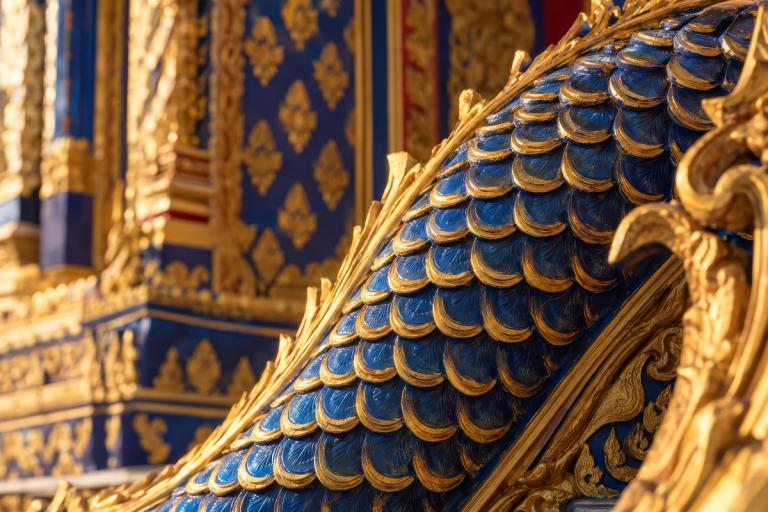
Start with Wat Phra That Doi Suthep on the mountain above the city. Then visit Wat Chedi Luang and Wat Phra Singh in the Old City. Add Wat Umong, a forest temple with old tunnels, for a quiet hour. Together they show the best of Lanna temple art in a single day with a driver.
Wat Phra That Doi Suthep. The golden chedi on the mountain is the symbol of Chiang Mai. The Chiang Mai provincial site lists opening hours of 06:00 to 17:00. Go at opening time, before the tour buses, with a private guide who can explain the stories in the murals.
Walk up if you are fit; otherwise an electric tram makes the climb easy. Leave time to sit quietly in the inner courtyard while monks chant.
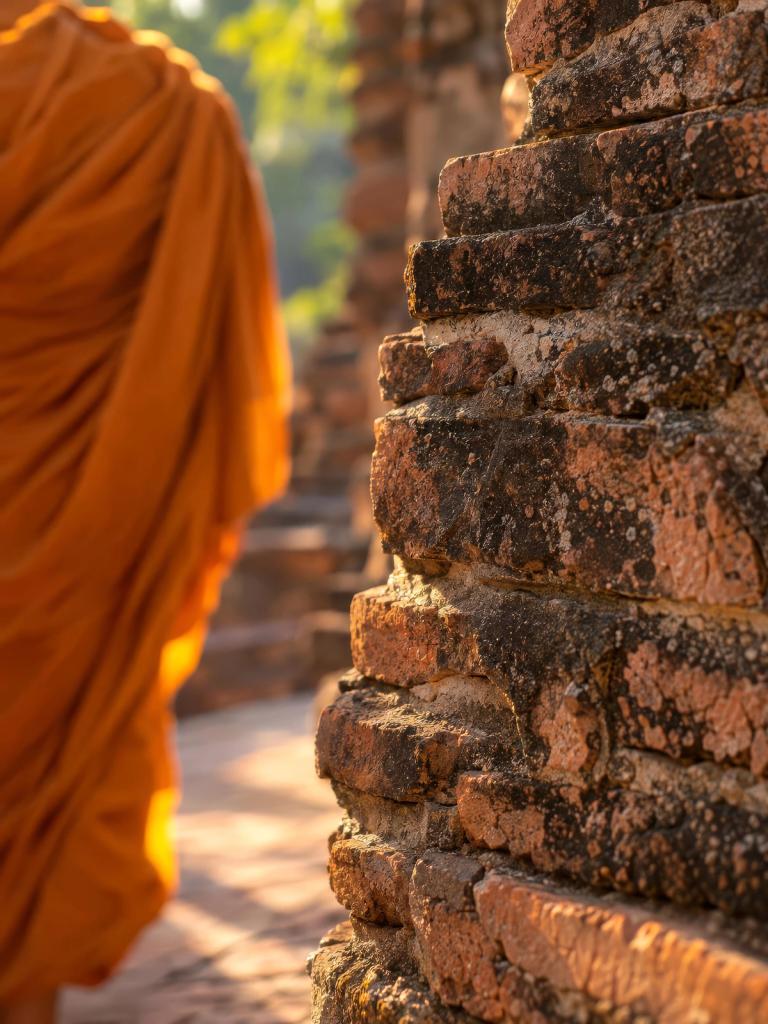
Wat Chedi Luang. A huge brick chedi, partly ruined, in the centre of the Old City. The Fine Arts Department says the Emerald Buddha, now in Bangkok, once sat in its east niche. The department stabilised the ruin in 1991 and 1992.
Wat Phra Singh. The Old City's most important temple, with fine Lanna wood carving and murals. The Tourism Authority of Thailand lists hours of 08:00 to 17:00.
Wat Umong. A peaceful forest temple at the foot of the mountain, with tunnels built for meditation. The temple's own page says its gates open from 05:00 to 20:00.
For a talk with a monk, the official Monk Chat programme runs at Wat Suan Dok, organised by Mahachulalongkornrajavidyalaya University. It is a friendly way to ask questions about Buddhist life.
Dress for every temple. Cover your shoulders and knees, and take your shoes off before you enter a hall.
A few customs help. Women should not touch a monk or hand him something directly; place it down for him instead. Do not point your feet at a Buddha image, and sit with your legs folded to the side. Speak quietly, and ask before you photograph people at prayer.
Which temples, mountains and days out come first?
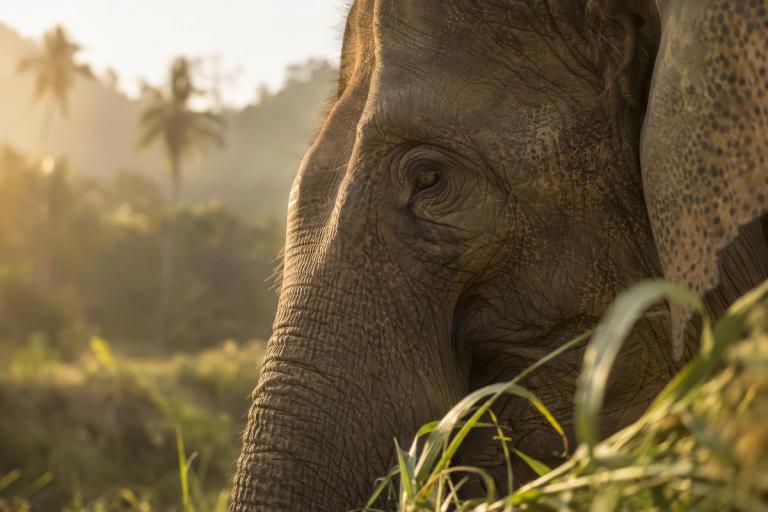
The best things to do in Chiang Mai start with an ethical elephant sanctuary and a private day on Doi Inthanon. Add a cooking class with a local chef, the craft villages and the Sunday night market. Add golf in the cool season or a long spa afternoon. A car and driver makes every one of them easy.
Plan one activity a day, not three. The heat and the mountain roads make long lists tiring. Our shape is a morning outing, lunch in the hills and a free afternoon at the resort.
An ethical elephant sanctuary. Choose a place where you watch and walk with elephants, never ride them. Elephant Nature Park is the best known. Its FAQ puts the park about 65 km and 90 minutes by van from the city centre. It does not allow riding or bathing with the elephants. Riding is regulated, not banned, in Thailand, so choosing the right place matters.
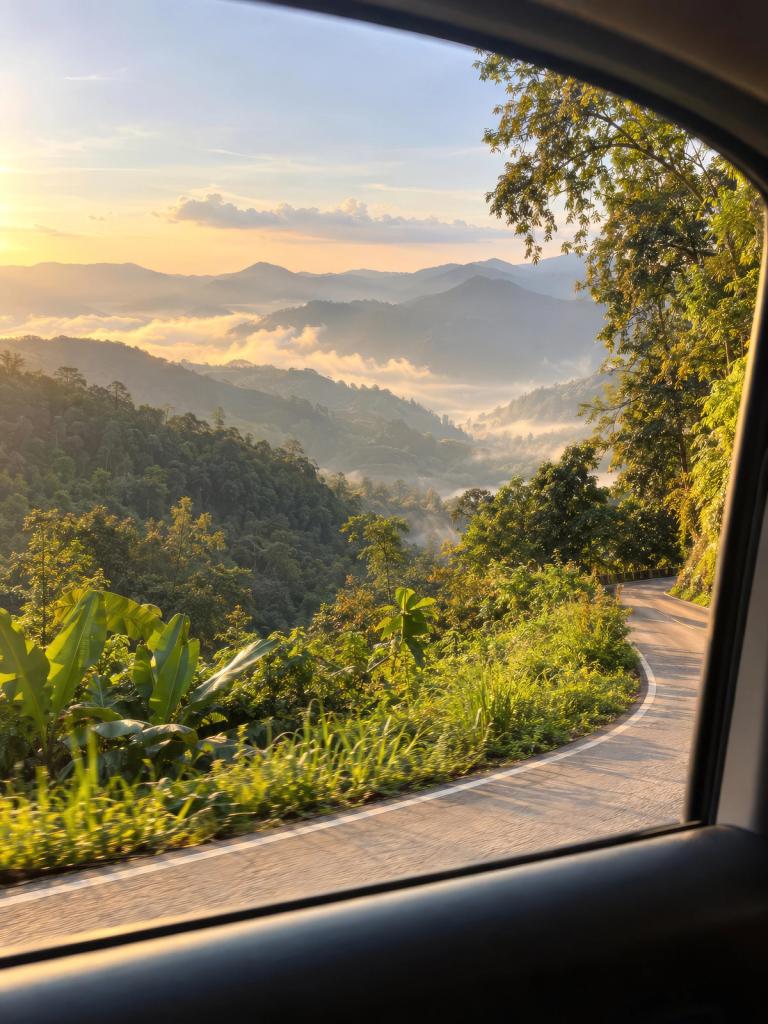
Doi Inthanon by private car. Thailand's highest mountain has cool forest, waterfalls and two royal chedis near the top. Go early for the clearest views, and bring a jacket. The road climbs through forest and Hmong and Karen villages, and the summit area has a short boardwalk through moss-covered cloud forest. We plan the drive with a picnic or lunch on the way back.
A cooking class with a chef. Visit a morning market with your chef, then cook northern dishes such as khao soi and green curry in a private kitchen. It is a good half-day for families and couples.
The Mae Rim valley. North of the city, the valley has orchid farms, a botanic garden and quiet roads through rice fields. It pairs well with lunch at a valley resort.
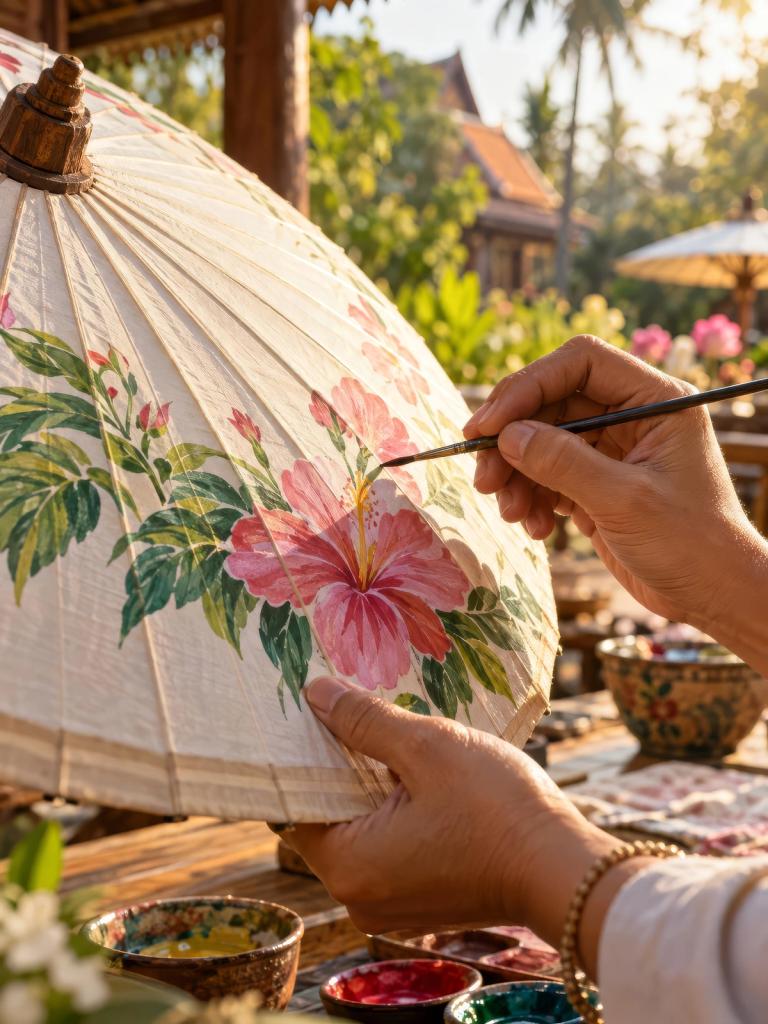
Craft villages. San Kamphaeng and the roads east of the city have workshops for silk, silver, lacquer and painted umbrellas. A guide helps you meet the makers and buy direct.
The Sunday night market. The Chiang Mai provincial site lists the market every Sunday from 17:00 to 22:00, along Ratchadamnoen Road to Tha Phae Gate. Go early, before the crowds, and walk with a guide.
Golf. The cool months are ideal for golf, with several mountain courses close to the city. See our Chiang Mai golf guide.
Spa and wellness. Northern massage uses slower, deeper strokes than in the south. Most luxury resorts have fine spas, and some offer full wellness programmes.
Art and design. The city has a lively art scene, with small galleries in Nimman and around the old city.
For the full list of the best things to do in Chiang Mai, with the best time for each and day trips, see our shortlist.
What should you eat in Chiang Mai?
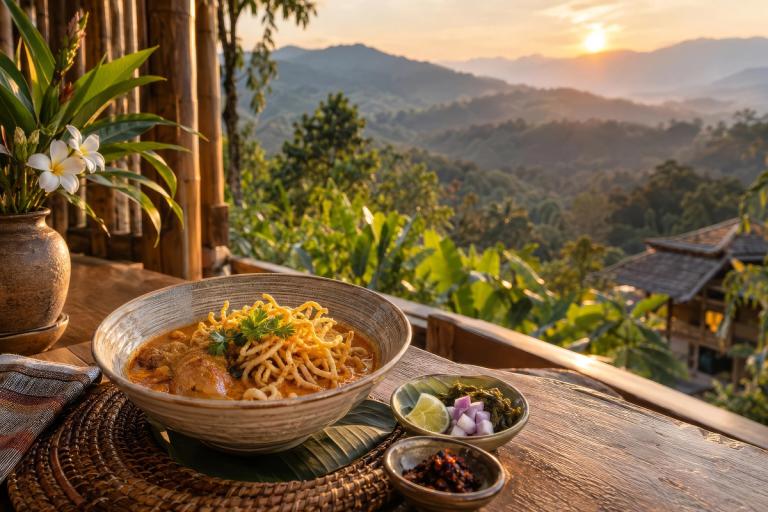
Eat khao soi first, the curry noodle soup with crispy noodles on top that every northern family cooks its own way. Then try northern sausage, chilli dips and slow-cooked pork curry. The MICHELIN Guide Thailand 2026 gives no stars in Chiang Mai. But it lists Khao Soi Mae Sai and Meena Rice Based Cuisine as Bib Gourmand.
That lack of stars says more about the guide than the food. Chiang Mai's best cooking is simple and local, served in open-air rooms and family kitchens.
Herbs, bitter leaves and slow-cooked meats are typical. Sticky rice is eaten by hand in small balls.
Khao soi. Rich coconut curry, egg noodles, pickled mustard greens and lime. Khao Soi Mae Sai is a Bib Gourmand pick in the 2026 guide.
Northern plates. Sai ua is a herb sausage; nam prik noom is a green chilli dip; gaeng hang lay is a mild pork curry with ginger.
Fine dining. The best hotel restaurants serve Lanna tasting menus and good international food. In Nimman, Yangzi Jiang on Soi 5 is listed in the 2026 MICHELIN Guide.
The 2027 guide is announced on 10 November 2026, and we update this list after that date. For a private dinner, we arrange a chef in your villa or a long table in a rice field.
What is Chiang Mai like at night?
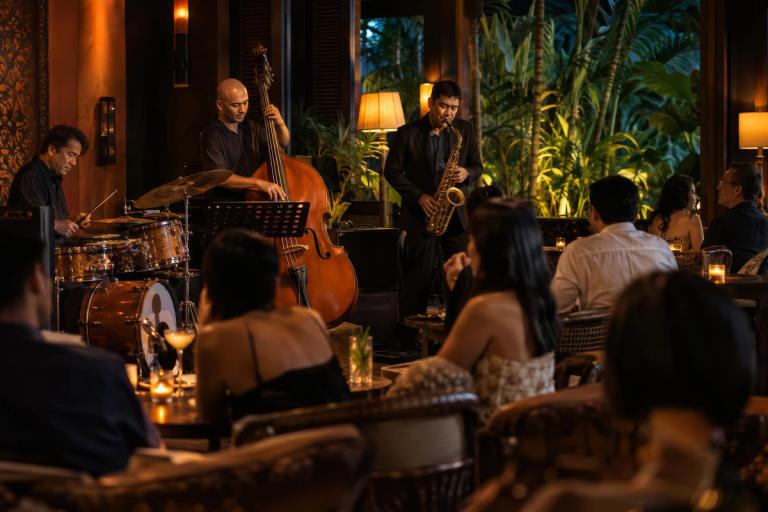
Chiang Mai at night is calmer than Bangkok, with live jazz in the Old City, bars along the river and a younger scene in Nimman. Licensed entertainment venues in Chiang Mai, and licensed venues inside hotels, may stay open until 04:00 under a 2023 ministerial regulation. But most good evenings here end before midnight.
Live music. The Old City and the riverside have small bars with live jazz and blues most nights. Arrive after dinner and take a table near the band.
Rooftops and hotel bars. A few hotels have quiet rooftop bars with views of Doi Suthep at sunset. They suit a drink before dinner rather than a late night.
Riverside. Restaurants and bars line the Ping River, with lights on the water and a slower pace. It is the best place for a long dinner and a drink after.
Nimman. The modern district has cocktail bars and clubs that fill late on weekends. One Nimman, a shopping courtyard, is open daily until 21:00, and its night market zone until 22:00, according to its own site.
Night markets. The large night market near the river is busy and fun for an hour. Go with a guide, and keep the evening light.
Dress well but simply. Carry your passport, as clubs check ID and the legal age is 20. See our Chiang Mai nightlife guide.
When is Yi Peng in Chiang Mai?
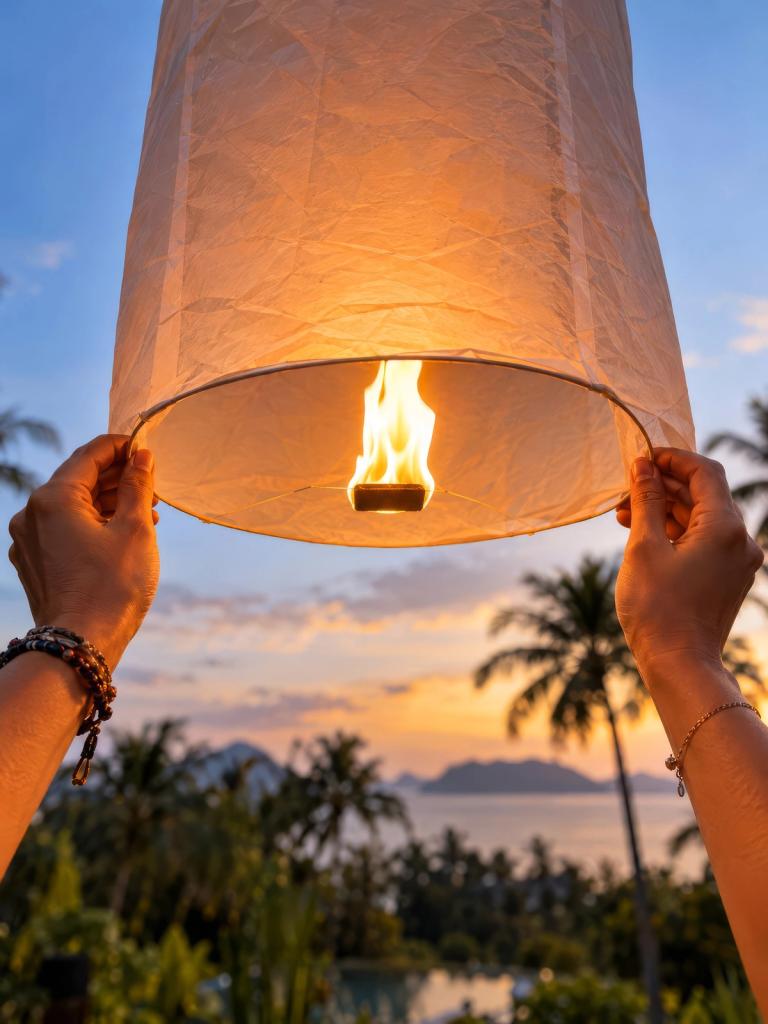
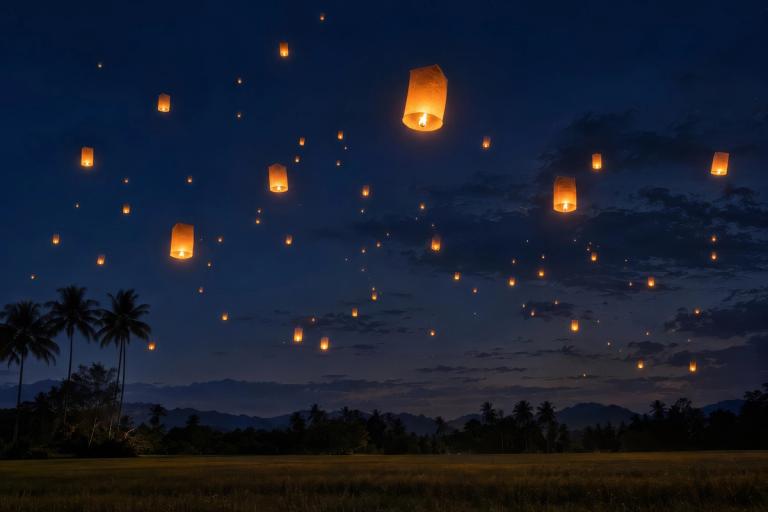
Yi Peng in Chiang Mai runs from 23 to 25 November 2026. Chiang Mai Province allows sky lanterns only on 24 and 25 November, from 19:00 to 01:00, and only in permitted areas. Every lantern or fireworks release needs a district permit through the Bampen app. For 2027, Yi Peng is expected in mid-November.
The name comes from the old Lanna calendar. The Fine Arts Department explains that Yi Peng means the full moon of the second Lanna month. In 2026, Loy Krathong falls on 24 November.
The famous mass lantern releases are separate, ticketed events held outside the city.
On the river, families float krathong, small rafts of banana leaf with flowers, candles and incense, to give thanks to the water. Join them from a quiet pier or from your hotel garden by the Ping. Dress modestly, as many ceremonies take place at temples.
Releases inside the city are not allowed, because of the airport.
See our Yi Peng guide.
How does Chiang Mai compare with Chiang Rai and Bangkok?
Choose Chiang Mai as your base and visit Chiang Rai as a day trip or an overnight stay. Chiang Mai has more hotels, restaurants and things to do. Chiang Rai is quieter, with the White Temple and the Golden Triangle. The Department of Highways lists the road distance between the two cities as 182 km.
Chiang Rai. The White Temple is the main reason to go. The temple charges ฿200 for foreign visitors from 1 January 2026, and entry is free for visitors aged 70 and over. Add the Blue Temple and a night at a resort in the Golden Triangle. Compare the two in Chiang Mai vs Chiang Rai, and read our Chiang Rai guide.
Bangkok. Bangkok is better for fine dining, shopping and nightlife, with many Michelin-starred restaurants. Chiang Mai is better for culture, nature and rest. The best trip usually includes both.
Here is a simple shape. Spend three or four nights in Bangkok for the city, then three or four in Chiang Mai for temples and mountains. End with a few days on a beach.
Does luxury cost less here? Yes. A top resort here often costs less than a similar hotel in Bangkok or on the islands. The same spend buys a pool villa, a private guide and a driver for the week.
What should you be careful of in Chiang Mai?
In Chiang Mai, watch the air quality in the smoky months, take care on mountain roads in the rain and choose an ethical elephant sanctuary. Respect temple dress and the monarchy. English is widely spoken in hotels, restaurants and shops in the Old City and Nimman, so getting help is easy.
Air quality. From February to April, check the daily PM2.5 reading before outdoor plans. Keep windows closed on bad days.
Drones and lanterns. Drones are not allowed within 9 km of an airport, which covers much of the city. Never release a lantern outside the permitted dates and areas.
Mountain roads. Roads to Doi Inthanon, Pai and Mae Hong Son are steep and full of curves. Use a professional driver, especially after rain.
Elephants. Avoid any place that offers rides, shows or bathing with elephants.
Health. Bangkok Hospital Chiang Mai and Chiangmai Ram Hospital were on the Joint Commission International list when we checked in October 2026.
Respect. Insulting the King, Queen, Heir or Regent is a serious crime in Thailand. Stand still when the national anthem plays at 08:00 and 18:00 in public places.
Papers. Foreigners must carry their passport or a copy of the photo page and the latest entry stamp. Keep the original in the hotel safe and a copy with you.
How do you get to Chiang Mai?
Fly to Chiang Mai International Airport (CNX) from Bangkok. Bangkok Airways gives about 1 hour 10 to 20 minutes for the direct flight. There are many flights a day from Suvarnabhumi and Don Mueang. The airport is close to the city, so most hotels are a short drive away.
Some international flights land in Chiang Mai directly. STARLUX flies from Taipei three times a week, according to its route page. Bangkok Airways flies non-stop between Chiang Mai and Koh Samui, in about 1 hour 45 minutes, which links the north with the beach. Thai AirAsia also flies non-stop from Chiang Mai to Hanoi and Taipei.
The State Railway of Thailand's fastest day train, SRT 7, takes 10 hours 20 minutes from Bangkok. In September 2026 the railway cancelled nine northern long-distance trains after floods, so we confirm the line is running before we book seats. See Bangkok to Chiang Mai.
A private jet can land at any public airport in Thailand. It needs permission from the Civil Aviation Authority of Thailand, a ground handler and a slot. We arrange all three. See private jet charter.
See our private chauffeur service.

Where can you go from Chiang Mai?
From Chiang Mai you can reach Chiang Rai and the Golden Triangle, or the mountain town of Pai. The Mae Hong Son loop, Doi Inthanon and the Mae Rim valley are also close. Most are day trips by car. Pai and Mae Hong Son need at least one night, as there are no scheduled flights to either.
Chiang Rai. The White Temple and the Golden Triangle, 182 km by road. See Chiang Rai and Chiang Mai to Chiang Rai.
Pai. A small valley town with hot springs and hill views, reached by a long, winding mountain road. Read our Pai guide.
Mae Hong Son. The Tourism Authority of Thailand describes the Mae Hong Son loop as about 600 km, starting and ending in Chiang Mai. It suits a slow road trip of several days. See Mae Hong Son.
Doi Inthanon and Mae Rim. The highest mountain is an easy day out, and Mae Rim's valley is close enough for lunch.
Chiang Dao. A limestone mountain with caves and quiet nature lodges to the north. The Tourism Authority of Thailand describes it as about two hours' drive from the city. See Chiang Dao.
Example plan: one week in the north. Three nights in Chiang Mai, with the Old City on foot and a day on Doi Inthanon. Two nights in Chiang Rai for the White Temple and the Golden Triangle. Two nights in a mountain lodge, with one driver for the whole trip. One planner books the flights, the car, the resorts and the guides, and our Chiang Mai staff handle each day. We also name the day trips where the driving time outweighs the sight.