What is special about Chiang Rai?
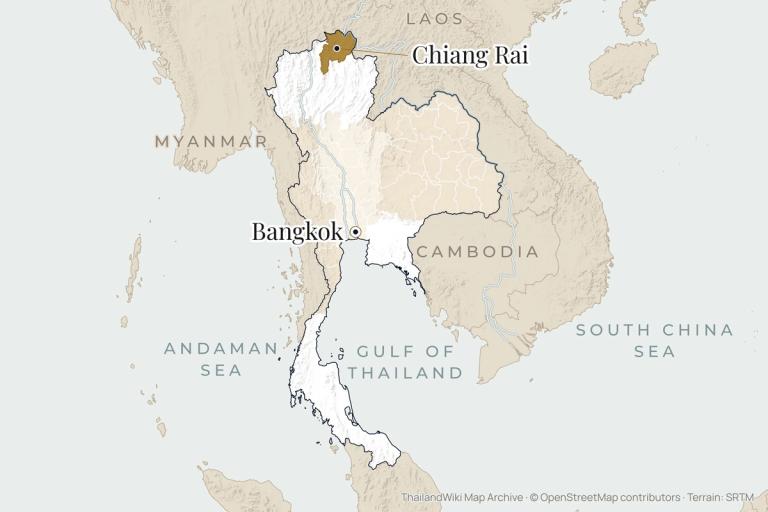
You have done Bangkok and Chiang Mai, and now you want the far north at its quietest. Chiang Rai is special for its modern temples made by Thai artists and for the Golden Triangle, where Thailand, Laos and Myanmar meet. It also has green tea hills and hill-tribe cultures. It feels calmer and more rural than Chiang Mai. Few places in Asia mix contemporary art and old faith in the same way.
The White Temple is the best-known example: a local artist rebuilt a village temple as a white and silver work of art. A former student of his later created the Blue Temple. A third artist filled a garden with dark wooden houses, now the Baan Dam Museum.
Beyond the city, the land rises into misty hills. Tea and coffee grow on the slopes. To the north, the Mekong River marks the border, and luxury camps sit in the jungle above it.
History adds depth. Chiang Rai was an early seat of the Lanna kingdom, which ruled the north for centuries before it joined Siam. A good guide links the old kingdom, the opium years and today's art scene into one clear story.
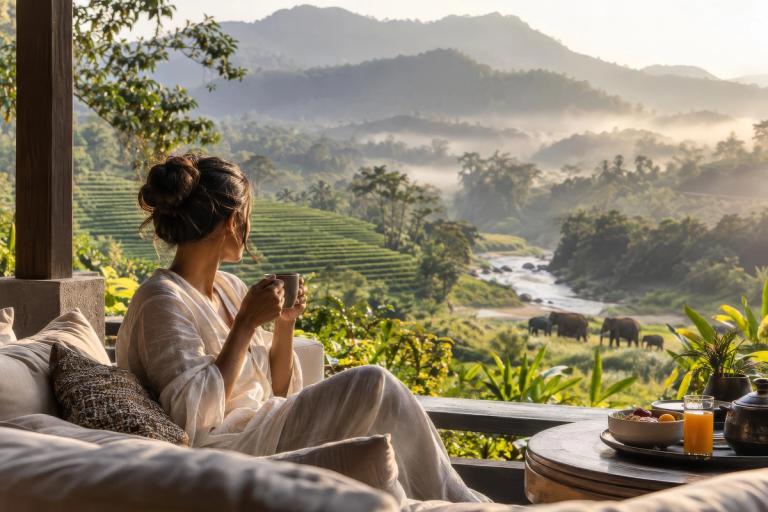
It is also a place of quiet luxury. You wake to birdsong, eat breakfast over a river and spend the day between temples, tea hills and the border. That combination is hard to find anywhere else in Thailand.
The province is also home to several hill peoples, including Akha, Lahu and Yao communities. Each has its own dress, crafts and festivals.
Who is Chiang Rai best for?
Chiang Rai is best for culture lovers, couples and families who want space and fresh air. It suits you if you have already seen Bangkok and Chiang Mai and want something quieter. Plan two or three nights. One night is enough for the temples, but the Golden Triangle camps deserve longer.
For couples, our pick is the tented camp, for its privacy and the jungle setting. Families get open space, gardens and river trips. Photographers get the temples at dawn and the mist over the hills. Groups of friends can take a large villa with a private chef.
After the energy of Bangkok and the busy streets of Chiang Mai, two quiet nights by the Mekong help you rest before the flight home.
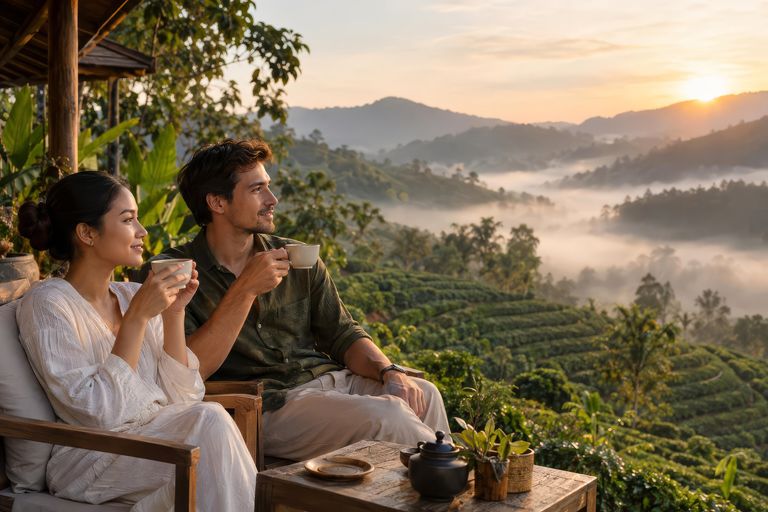
Which temples should you see in Chiang Rai?
See three: the White Temple (Wat Rong Khun), the Blue Temple (Wat Rong Suea Ten) and Baan Dam, the Black House. All three are in or near the city and fit in one morning with a private car. Go at opening time to avoid the tour coaches. Temple dress applies at the first two.
The White Temple (Wat Rong Khun). The temple charges foreign visitors ฿200 from 1 January 2026, including the Cave of Art gallery, its own announcement says. Visitors aged 70 and over and children under 120 cm enter free. Artist Chalermchai Kositpipat rebuilt the old village temple as a white fantasy of mirrors and carved figures. An earthquake damaged it on 5 May 2014, and it has since been repaired. Photography is not allowed inside the main hall. Opening hours differ between sources, so check on the day.
The Blue Temple (Wat Rong Suea Ten). Entry is free, the Tourism Authority of Thailand says. Its deep blue and gold hall was built from 2005 to 2016, Museum Thailand records. The artist was Putha Kabkaew, a former student of Chalermchai. Inside sits a pearl-white Buddha image. The name means the place where tigers leapt across a gully.
Baan Dam (the Black House). A museum of dark wooden houses set in a garden, created by a celebrated Thai artist. Inside are horns, skins and carved furniture. It opens daily from 09:00 to 17:00 and charges ฿80 (checked November 2026). It is striking and unusual. Parts of it are dark in theme, so preview it before you bring young children.
Cover your shoulders and knees at the White and Blue Temples, and remove your shoes before you enter a hall. Our guides carry sarongs for anyone who needs one. For more on the main site, read our White Temple guide.
How to plan a temple morning. Leave your hotel at opening time and start at the White Temple, south of the city, before the coaches arrive. Drive north to the Blue Temple, which is quieter later in the morning. Finish at Baan Dam before lunch. With a private car, the three fit comfortably in about four hours, with time for coffee between them.
Two more temples worth a stop. Wat Huay Pla Kang, on a hill outside the city, has a very large white statue of the Chinese goddess of mercy. Its tall pagoda gives views over the valley. In the city centre, the golden clock tower is lit in colour on many evenings.
Respect matters at every site. Speak quietly in prayer halls, do not point your feet at a Buddha image and never climb on statues for a photograph. Monks may not touch women, so women should not hand anything directly to a monk. Our guide explains each custom before you enter.
What the White Temple means. The design tells a Buddhist story. You cross a bridge over a pool of reaching hands, which stands for desire and suffering. Beyond it, the white hall stands for purity. Inside, the murals mix classic Buddhist images with scenes from modern life. A guide helps you read the details, which are easy to miss.
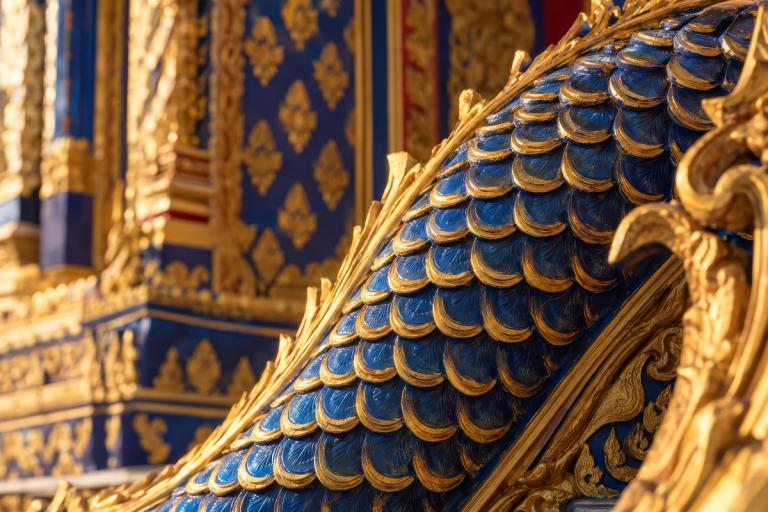
What is the Golden Triangle, and how do you visit it?
The Golden Triangle is the point on the Mekong River where Thailand, Laos and Myanmar meet. It sits in Chiang Saen district, north of Chiang Rai city. You can see all three countries from the viewpoint. Visit the Hall of Opium museum, then take a long-tail boat on the river.
The area was once known for the opium trade. Today it is green and calm, with temples, viewpoints and a few luxury resorts.
The Hall of Opium. A large museum on the history of opium in the region, run by the Mae Fah Luang Foundation. A government tourism listing shows ฿200 for foreigners and opening hours of 08:30 to 16:00, Tuesday to Sunday. Plan about two hours.
A long-tail boat on the Mekong. A private boat runs along the river past the border points. It is the easiest way to feel the meeting of three countries.
The viewpoint. A short walk leads to a hilltop view over the river junction. Go for sunset.
If you stay at one of the Golden Triangle camps, all of this is close by. The camp team can arrange the boat and a guide.
Chiang Saen old town. A short drive south of the viewpoint, Chiang Saen has old city walls and brick temple ruins from the Lanna period, shaded by large trees. It is quiet and rarely busy. A guide brings the history to life.
A sunset cruise on the Mekong. End the day on a private boat with drinks as the sun sets over the hills of Laos. Bring a light jacket in the cool season, as the river air turns cool after dark.
Please note that crossing into Laos or Myanmar needs the right visa and an open, official crossing. The boat trips stay on the Thai side or follow the routes the local authorities allow. Our captains and guides know the rules and keep every trip simple and legal.
The riverside market near the viewpoint sells souvenirs and local snacks. It is busy with day visitors at midday, so the early morning and late afternoon are calmer. Photographs of the river and the border are fine, but do not photograph border officials or checkpoints.
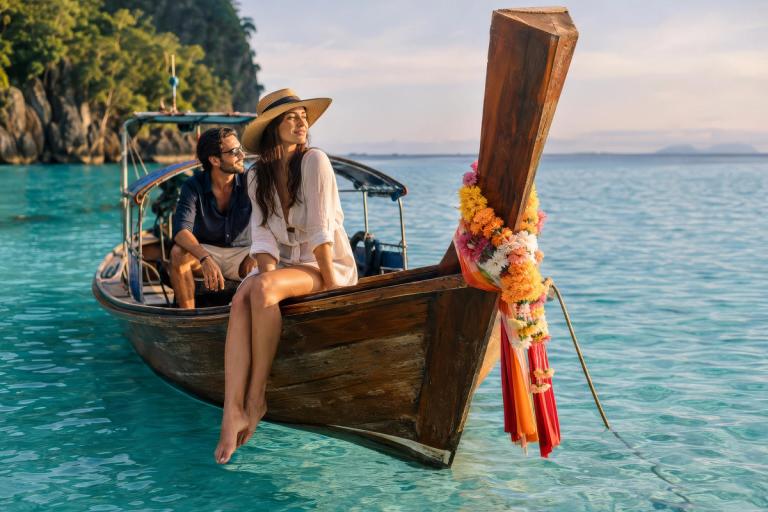
Where should you stay in Chiang Rai?
Stay at the Golden Triangle for a jungle camp. Or stay in the city by the Kok River for easy access to the temples. Our top picks are the Four Seasons and Anantara camps at the Golden Triangle, plus Le Méridien and The Riverie in the city.
Four Seasons Tented Camp Golden Triangle. A small camp of luxury tents in bamboo jungle on the Ruak River, in Chiang Saen district. The camp lists 15 tents.
Anantara Golden Triangle Elephant Camp & Resort. A resort on a hill above the river junction, with views into Laos and Myanmar. It runs its own elephant programme. We book only elephant experiences without riding. The resort says helicopter charters from Chiang Mai land at a helipad near the resort.
Le Méridien Chiang Rai Resort. A large resort on the river close to the city, good for families.
The Riverie by Katathani. A riverside resort on the Kok River near the city centre, with gardens and pools.
Museflower Retreat. A quieter wellness retreat in Wiang Chai, outside the city. It suits guests who want yoga and nature.
A private villa in the hills suits a larger family or a group. Picture a 4-bedroom villa with mountain views, a pool and a Thai chef. Villa names stay off this page; Tanner sends photos and a written quote instead.
Which stay suits you? If you are a couple who wants privacy and a sense of adventure, take the tented camp. If temples are your main reason to come, stay in the city and save driving time. Families who want space, pools and more dining do best at the larger Golden Triangle resort.
Our call: split your stay, with one night in the city for the temples, then two nights at the Golden Triangle. Tanner arranges the car between the two, so you only unpack twice.
Every stay we plan can include a private car and driver for the whole trip. The driver knows the temple opening times, the quiet back roads and the best noodle shops. It turns a scattered province into an easy, relaxed holiday.
When should you book? The Golden Triangle camps are small and fill early for the cool season, Chinese New Year and long weekends. For December and January, reserve three to six months ahead. City resorts have more rooms and can often be booked closer to the date.
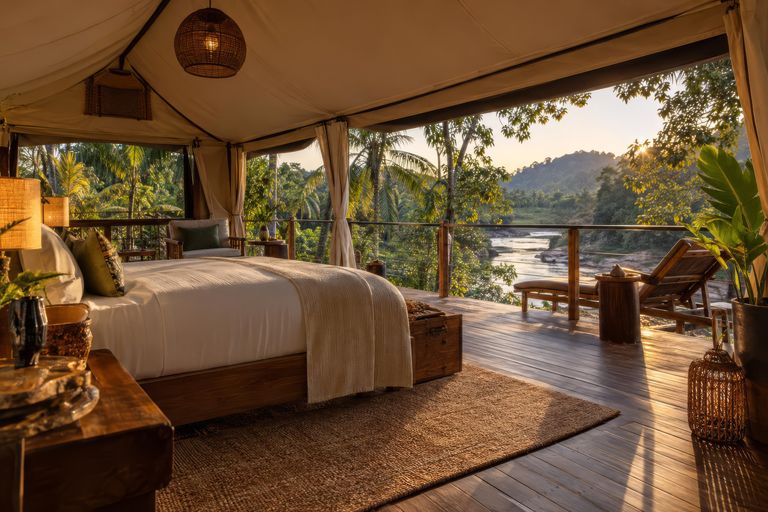
What else can you do in Chiang Rai?
Beyond the temples, visit Doi Tung and the Mae Fah Luang Garden. Taste tea at Doi Mae Salong or the Choui Fong plantation. Spend an afternoon at Singha Park, and walk the Saturday walking street. A private driver makes it easy to combine two of these in a day.
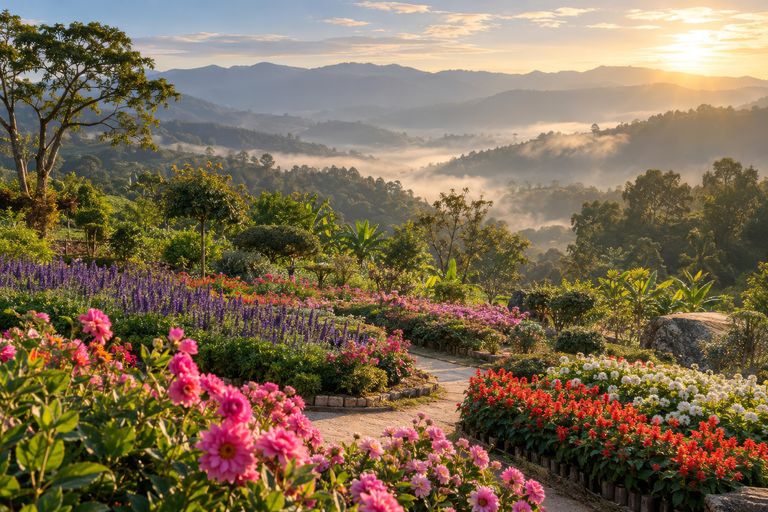
Doi Tung and the Mae Fah Luang Garden. A royal project in the hills north of the city. The gardens are colourful and well kept, and the former royal villa stands nearby. Go early for cool air and soft light.
Doi Mae Salong. A hill village with Chinese roots, tea houses and terraced slopes. The drive is winding but beautiful. Taste oolong tea and eat Yunnan-style dishes.
Choui Fong tea plantation. Bright green tea rows on steep hills, with a modern tea house and a terrace. It is one of the most photographed spots in the north.
Singha Park. A large park with lakes, tea fields and open lawns. Families can cycle, picnic or take a small tram around the grounds.
Saturday walking street. On Saturday evening, a street in the city fills with food stalls, crafts and music. Our guide takes you to the best stalls and handles the crowd.
Hill-tribe villages. With a respectful local guide, you can visit Akha or Lahu villages. Ask before you take photographs, and buy crafts directly from the makers.
Our luxury chauffeur service covers full days with a driver and a guide.
Phu Chi Fa at sunrise. A mountain viewpoint near the Laos border where the valley below often fills with a sea of mist at dawn in the cool season. It means a very early start and a short, steep walk, but the view is remarkable. Bring a warm layer.
Coffee and cooking. The hills around Chiang Rai grow some of Thailand's best Arabica coffee. Visit a small farm, taste the beans and learn how they are roasted.
Spa days. The luxury camps and resorts have fine spas. After a morning of temples and hills, a long Thai massage is the best way to end the day.
A slow day on the Kok River. A private long-tail boat follows the Kok River from the city through farmland and small villages. Stop for lunch on the bank, then return by car. It is a calm half day and a good change from temples.
How does Chiang Rai compare with Chiang Mai?
Choose Chiang Mai for food, hotels, shopping and size. Choose Chiang Rai for calm, art temples and the Golden Triangle. Chiang Mai is the bigger city with more restaurants and luxury hotels. Chiang Rai is quieter and greener. Do both, with a private car between them.
A good shape is four nights in Chiang Mai and two or three in Chiang Rai. Drive north on Highway 118, stopping at the White Temple on the way. Our Chiang Mai vs Chiang Rai guide compares the two in detail, and our Chiang Mai guide covers the bigger city.
Food. Chiang Mai wins, with many fine restaurants, cafés and MICHELIN-listed places. Chiang Rai has good northern food but fewer choices.
Hotels. Chiang Mai has more luxury hotels in the city and the hills. Chiang Rai has fewer, but its Golden Triangle camps are among the most unusual stays in Thailand.
Sights. Chiang Mai has old temples, markets and Doi Suthep. Chiang Rai has the modern art temples, tea hills and the river border.
Pace. Chiang Mai is busier and more urban. Chiang Rai is slower and greener, closer to rural life.
Example plan: seven nights in the north. Fly to Chiang Mai and stay four nights for the old city, Doi Suthep, food and a day in the hills. Drive to Chiang Rai, seeing the White Temple on the way. Spend one night in the city and two at the Golden Triangle, with a sunset boat on the Mekong. Fly home from Chiang Rai.
Is Chiang Rai worth it as a day trip from Chiang Mai?
It is possible, but rushed. The drive on Highway 118 crosses a range of hills, and a day trip means long hours in the car. You see the White Temple and perhaps one more site. One night in Chiang Rai is far better, and two nights lets you reach the Golden Triangle.
If you only have one day, leave Chiang Mai very early with a private driver. See the White Temple at opening time, then the Blue Temple and Baan Dam, and have lunch by the river. Drive back in the afternoon before dark, as the hill road needs care in fog or rain.
A better plan for busy guests is a one-way trip. Drive from Chiang Mai to Chiang Rai with stops at the temples, stay one night, and fly home from Chiang Rai the next day.
Our Chiang Mai to Chiang Rai route guide explains each way to make the trip.
Where should you eat in Chiang Rai?
Eat at your resort for fine dining, and try northern Thai dishes such as khao soi and nam ngiao in the city. Chiang Rai has no MICHELIN-starred restaurant. A Thai government notice says the province is not covered by the MICHELIN Guide Thailand 2026. The food is still excellent.
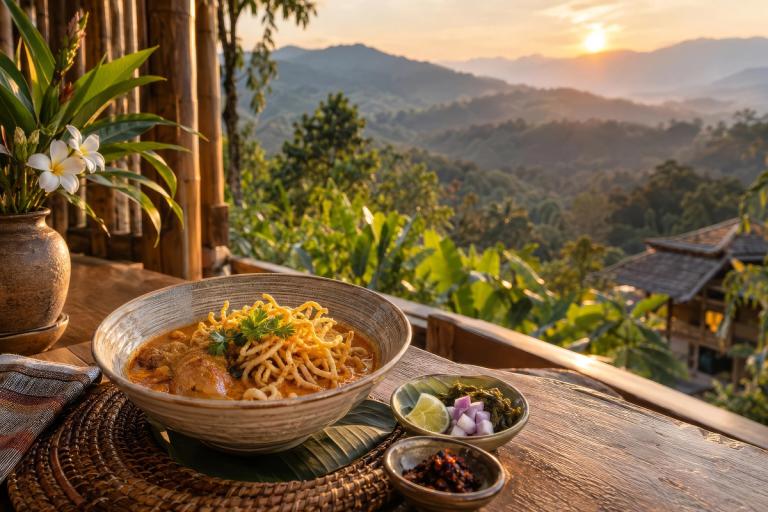
Khao soi. A curry noodle soup with crispy noodles on top, lime and pickled greens. It is the classic northern lunch.
Nam ngiao. A rich noodle soup with tomato, pork and a mild spice, typical of the north.
Resort dining. The Golden Triangle camps serve Thai and international menus, often with views over the river. A private dinner by the water can be arranged.
Our guide can take you to the best local noodle shops in the city.
Northern specialities. Try sai oua, a herb-rich sausage, and nam prik noom, a green chilli dip with fresh vegetables. Ask for milder versions if you prefer less heat.
Coffee culture. Chiang Rai takes its coffee seriously. Small cafés roast local beans and serve them in calm gardens.
For a special evening, ask the camp for a private dinner on a deck over the river. Lanterns, a Thai set menu and the sounds of the jungle make it one of the most memorable meals in the north.
Wine lists in the north are shorter than in Bangkok, so tell us if you want a special bottle. We bring it from the city and arrange chilling and service at your resort.
When is the best time to visit Chiang Rai?
The best time to visit Chiang Rai is November to January. The days are cool and clear, and the hills are green. Thai Meteorological Department normals for the north show December and January as the driest months. September is the wettest, with about 222 mm of rain.
The rainy season runs from about May to October. Showers are heavy but often short, and the landscape is at its greenest. Nights in December and January can be cool, so pack a light jacket.
For month-by-month figures, see our Thailand weather guide.
The cool season also brings flower fields, festivals and the best views from the hills.
Do not rule out the green season. From June to October, the rice fields and hills are bright green, the waterfalls are full and the camps are quieter. Rain usually comes in heavy bursts with dry spells between.
How do you get to Chiang Rai?
Fly from Bangkok to Mae Fah Luang-Chiang Rai International Airport in about 1 hour 15 minutes, Nok Air's own timetable shows. Several airlines fly from Don Mueang. From Chiang Mai, a private car takes Highway 118 over the hills. Chiang Rai has no railway, and the train line ends at Chiang Mai.
By air. Thai AirAsia, Nok Air, Thai Lion Air, Thai Vietjet and Thai Airways serve Chiang Rai, Airports of Thailand lists.
By private car from Chiang Mai. The most flexible way to link the two cities. Stop at the White Temple on the way.
By private jet or helicopter. Chiang Rai airport is run by Airports of Thailand, and private aircraft need CAAT permission and a handling agent. Anantara's resort says its helicopter charters from Chiang Mai land at a helipad near the resort. See our private jet charter page.
From the airport to the Golden Triangle. The Four Seasons camp says the drive takes about 60 minutes. A long-tail boat arrival is also possible.
Coming from overseas? Most international visitors fly into Bangkok, then take a domestic flight to Chiang Rai. Others fly into Chiang Mai, spend a few days there, then drive north and fly home from Chiang Rai. Tanner books the flights, the driver and our meet-and-assist at each airport. You deal with one planner, and our northern staff run each day in Chiang Rai.
Plan the day around the flight. Morning flights from Bangkok reach Chiang Rai in time for lunch and a first temple. For the Golden Triangle, an afternoon arrival gets you to the camp for sunset over the Mekong.
| Name | Kind | Area | Price | Best for | Note |
|---|---|---|---|---|---|
| Four Seasons Tented Camp Golden Triangle | hotel | Golden Triangle | ฿฿฿฿ | Couples | 15 tents in the jungle. |
| Anantara Golden Triangle Elephant Camp & Resort | hotel | Golden Triangle, Chiang Saen | ฿฿฿ | Families | Rooms, suites and explorer tents above the river. |
| Le Méridien Chiang Rai Resort | hotel | Chiang Rai town | ฿฿฿ | Families | 159 rooms and suites. |
| The Riverie by Katathani | hotel | Kok River, Chiang Rai town | ฿฿ | Short stays | 271 rooms and suites by the river. |