Is Chiang Mai Old City worth visiting?
You land in Chiang Mai, and the Old City is 10 to 20 minutes from the airport. Is it worth a morning of your trip? Yes. It is the historic heart of Chiang Mai and the best place in the north to see Lanna temples up close. It is a square surrounded by a moat and the remains of old brick walls. You can walk it, cycle it or tour it by car in a morning.
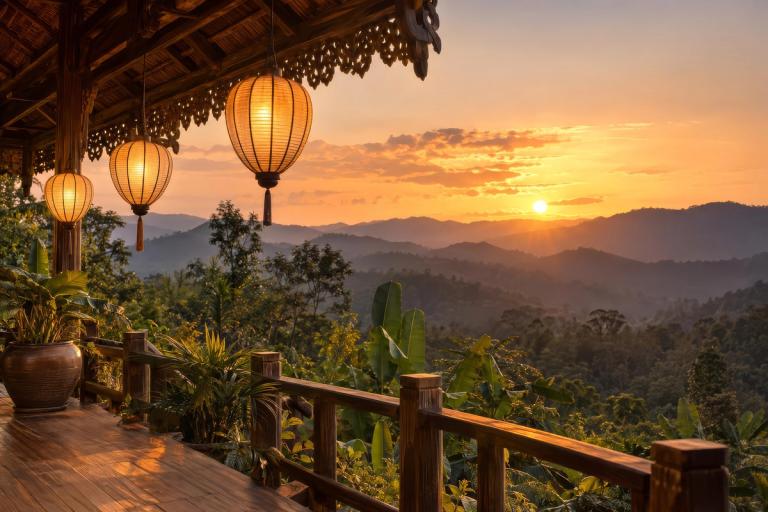
Inside the moat, the pace is slow. Monks walk to morning prayers, small cafes open onto quiet lanes and old teak houses sit beside modern guesthouses. The great temples are only a few minutes apart.
Do not expect a perfectly preserved walled town. The magic is in the temples, the side lanes and the early mornings.
You have two good ways to do the Old City. Stay in a heritage boutique hotel inside the walls, or stay in a resort outside town and visit with a private guide. Our Chiang Mai guide covers the whole city.
Example plan: a half day inside the moat. You are at Wat Phra Singh at 08:00 as the gates open, with monks crossing the courtyard. Walk the lanes to Wat Chedi Luang and Wat Phan Tao, then take coffee in a quiet courtyard. Lunch is khao soi before the midday heat, and the afternoon belongs to your hotel pool.
Which temples inside the moat should you see?
The Old City holds some of the most important temples in northern Thailand. Wat Chedi Luang has the great ruined chedi and the city pillar. Wat Phra Singh is the finest example of classic Lanna temple style. Smaller temples such as Wat Chiang Man and Wat Phan Tao are quieter and full of charm.
Wat Chedi Luang. The Tourism Authority of Thailand says the great chedi was completed in 1481 and stood about 98 metres tall. An earthquake in 1545 brought down its top. The Fine Arts Department stabilised the remains in 1991 and 1992. The temple also holds the city pillar, raised when King Mengrai founded the city in 1296. Women may enter the temple, but not the pillar hall.
The Tourism Authority of Thailand gives opening hours of 08:00 to 17:00 daily. Check on the day, as the temple sometimes opens in the evening. We found no official entry fee. Our Wat Chedi Luang guide covers its history and the best time to visit.
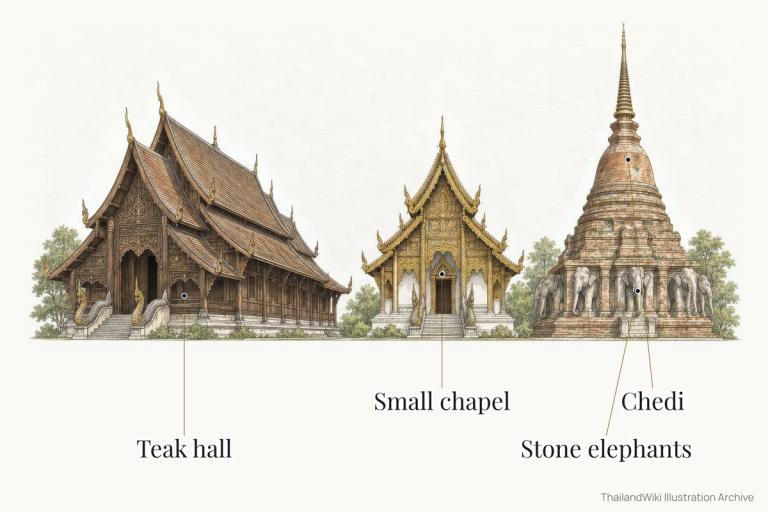
Wat Phra Singh. This royal temple at the western end of the Old City holds a revered Buddha image and a small, beautiful chapel with old murals. The Tourism Authority of Thailand lists it as open from 08:00 to 17:00. We found no official entry fee.
Wat Chiang Man. Often called the oldest temple in the city, with a chedi supported by stone elephants. It is calm and rarely crowded.
Wat Phan Tao. A small temple with a hall built entirely of teak.
Temple dress. Cover your shoulders and knees, and take your shoes off before you enter a temple building. A light scarf and long trousers or a long skirt are easy to carry.
A good order. Start at Wat Phra Singh in the west when the gates open, then walk east to Wat Chedi Luang and Wat Phan Tao. The walk takes a relaxed two to three hours with stops, and it keeps the sun behind you for most of the morning.
The city pillar festival. The Tourism Authority of Thailand notes an annual festival for the city pillar, Inthakhin, around May or June.
Gates, moat and walls: how the Old City is laid out
The Old City is an almost perfect square, framed by a moat on all four sides. Several gates once led through the walls, and parts of the walls still stand at the corners and gates. Tha Phae Gate on the east side is the best known and faces the river side of the city.
Inside, two main roads cross the square, and many small lanes, called soi, run between them.
Outside the moat, the city spreads in every direction. Nimmanhaemin lies to the north-west, the night bazaar and the Ping River to the east, and the hills of Doi Suthep to the west.
Traffic around the moat runs one way, so a short trip can mean a longer loop by car.
Cycling is the finest way to see the Old City early. The lanes are flat and quiet before 08:00, and you can stop at small temples that are easy to miss. We arrange good bicycles and a guide who rides with you.
Should you stay in the Old City? Old City vs Nimman vs Riverside vs Mae Rim
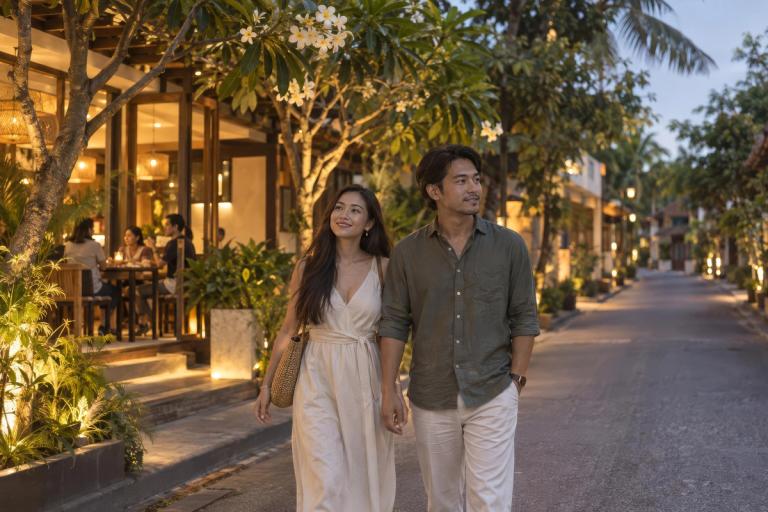
Stay in the Old City if you want to walk to temples and feel the history around you. Stay in Nimman for cafes and a younger, modern scene. Stay by the Ping River for the city's best larger hotels. Stay in Mae Rim, outside town, for a full resort among rice fields and mountains.
Old City. Feel: historic, calm in the lanes, busy on the main roads. Best for: culture lovers and couples. Hotels: small heritage boutique hotels such as Rachamankha and Tamarind Village. Tamarind Village says it is fifteen minutes from the airport.
Nimmanhaemin. Feel: modern, stylish and full of cafes and shops. Best for: younger guests and food lovers. Hotels: design and boutique hotels. See our Nimmanhaemin guide.
Riverside. Feel: quiet, green and close to the night bazaar. Best for: families and guests who want larger hotels. Hotels: 137 Pillars House Chiang Mai, Anantara Chiang Mai Resort, Ping Nakara Hotel and Spa and Ratilanna Riverside Spa Resort. Anantara says it is only 15 minutes from the airport.
Mae Rim. Feel: countryside, rice fields and mountains. Best for: a full resort stay with a spa. Hotels: Four Seasons Resort Chiang Mai, which lists 35 kilometres and 30 to 45 minutes from the airport. Panviman Chiang Mai Spa Resort and Raya Heritage Hotel are nearby too.
Our call: two nights in the Old City or by the river for culture, then three nights in Mae Rim for rest. Every option is listed under the best luxury hotels in Chiang Mai.
The best boutique hotels in the Old City
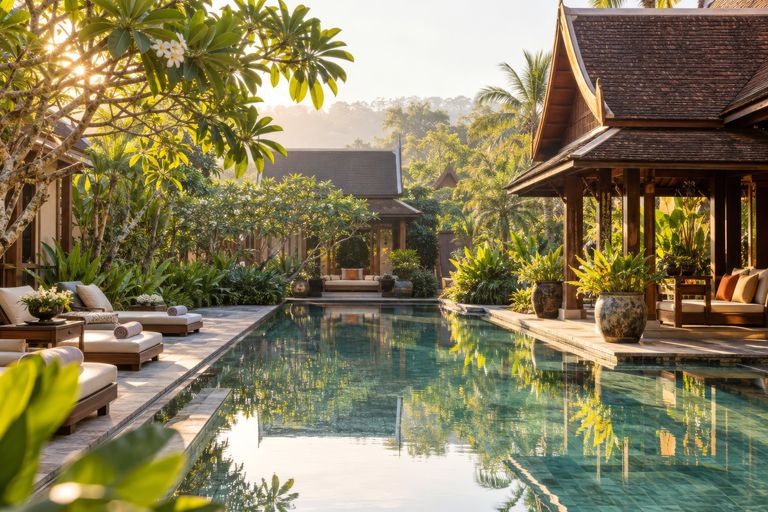
The Old City's best stays are small heritage hotels built in Lanna style, with courtyards, teak and gardens. Two stand out: Rachamankha, next to Wat Phra Singh, and Tamarind Village, set around courtyards off Ratchadamnoen Road. Both are calm, private and within walking distance of the main temples.
Rachamankha. The hotel describes itself as a 25-room and suite hotel next to Wat Phra Singh. It is quiet and formal, built in classic Lanna style. It suits couples who love history and design.
Tamarind Village. The hotel lists 41 guest rooms and 5 suites around a series of flower-filled courtyards. It sits on a quiet lane off Ratchadamnoen Road, close to the Sunday Walking Street. It suits couples and small families who want a central, relaxed base.
Our pick. For a first visit, Tamarind Village gives the easiest walking access to the temples and markets.
If you need connecting rooms or a family suite, tell us early and we hold the right rooms for your dates.
Food in and around the Old City
Chiang Mai's food is one of the best reasons to visit. The MICHELIN Guide Thailand 2026 gives no star to any Chiang Mai restaurant, but it lists Bib Gourmand picks for good-value local cooking. Two of them are Khao Soi Mae Sai and Meena Rice Based Cuisine, both loved for northern dishes.
Khao soi. The city's signature dish is a curry noodle soup with crispy noodles on top, lime and pickled greens on the side. Khao Soi Mae Sai is a classic place to try it.
Northern Thai cooking. Look for sai ua, a spiced northern sausage, nam prik noom, a green chilli dip, and gaeng hang lay, a rich pork curry. Meena Rice Based Cuisine is another Bib Gourmand choice for these flavours.
Hotel dining. For a calm dinner, the Old City's boutique hotels serve refined northern menus.
The 2027 MICHELIN selection is revealed on 10 November 2026, so we recheck every listing after that date. Tell us about allergies, halal needs or a vegetarian guest, and we choose restaurants that suit everyone.
For a hands-on morning, book a private Thai cooking class. You visit a market with the chef, then cook three or four northern dishes and eat them for lunch.
Sunday Walking Street and evening markets
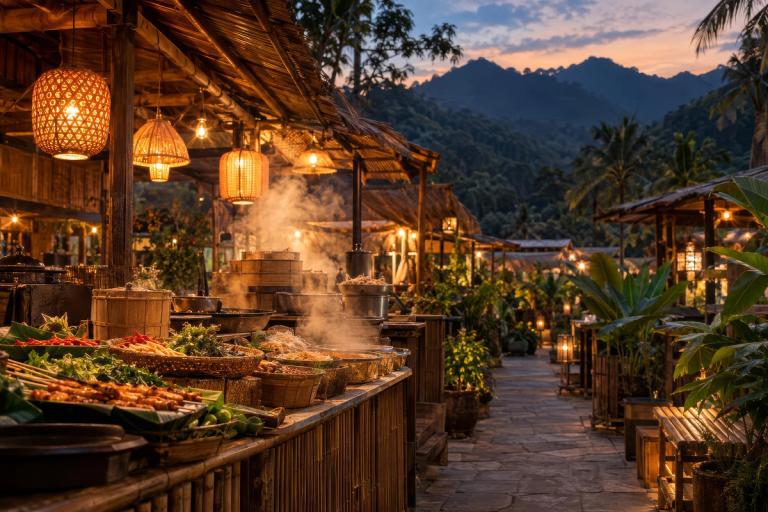
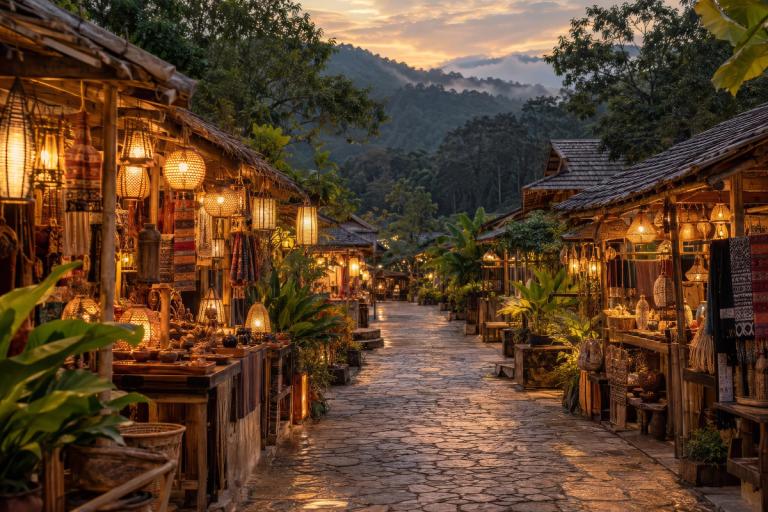
The Sunday Walking Street is the Old City's most famous evening event. The Chiang Mai provincial government says it runs on Sundays from 17:00 to 22:00, from Tha Phae Gate along Ratchadamnoen Road. Stalls sell crafts, textiles, silver and street food, and temple courtyards fill with food stands.
It is busy and lively, especially after 19:00. Go early, around 17:00, to see the stalls before the crowds. Wear comfortable shoes and keep your bag in front of you.
For a calmer evening, the night bazaar on the east side of town runs every night, with shops and restaurants.
Chiang Mai is known for crafts: silver, lacquerware, woodcarving, hand-woven cotton and silk. We arrange packing and shipping home.
Festivals: Yi Peng and Loy Krathong in the Old City
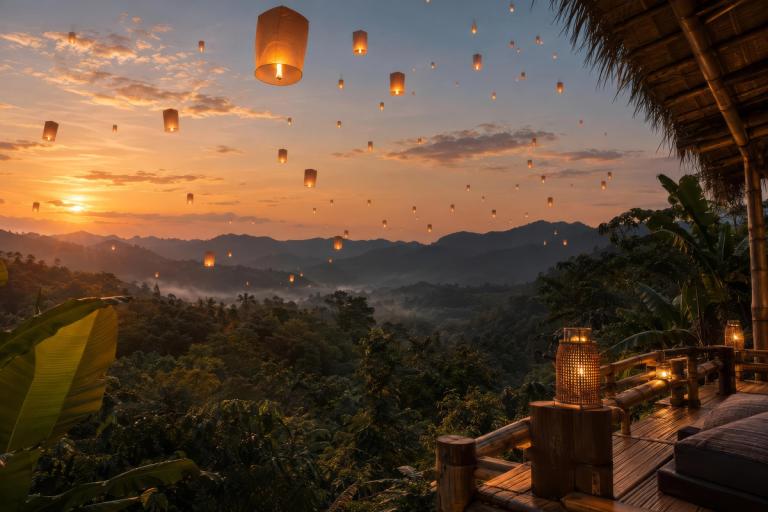
Chiang Mai's most beautiful festival is Yi Peng, held with Loy Krathong each November. In 2026, Chiang Mai Province allows sky lanterns only on 24 and 25 November, from 19:00 to 01:00, in permitted areas. Release needs a district permit, arranged through the Bampen app. The city is full of lights.
During the festival, temples and the moat are decorated with candles and paper lanterns. People float krathong, small offerings, on the river and the moat.
For 2027, Loy Krathong is expected on 13 November, so Yi Peng is expected in mid-November 2027.
Hotels in the Old City book out months ahead for these nights. Our Yi Peng guide explains how to see the lanterns with a private table and a driver.
Sky lanterns are a fire risk near the airport and the old wooden temples. That is why the province limits where and when they may be released. Large ticketed lantern events take place outside the city.
What to be careful of: haze, traffic and temple etiquette
Chiang Mai is safe and friendly, but three things need care: smoky air in the burning season, busy traffic around the moat and temple etiquette. Plan your dates around the haze, use a private driver, and dress and behave respectfully in temples.
Haze. Chiang Mai's smoky season runs mainly from February to April, peaking in late March or early April. Official records show 53 days above Thailand's PM2.5 standard in the first five months of 2026, down from 99 in 2023.
Traffic. Traffic around the moat is heavy and flows one way. Skip the scooter. A private driver is safer and easier, and our luxury chauffeur service covers the whole city and the mountains beyond.
Temple etiquette. Cover your shoulders and knees, take off your shoes, keep your voice low and never point your feet at a Buddha image.
Scams and touts. Chiang Mai is relaxed. Still, be wary of anyone who stops you on the street to say a temple is closed and offers a tour instead. Temples open daily, and your guide is the only tour you need.
Health. Bangkok Hospital Chiang Mai and Chiangmai Ram Hospital are both accredited by the Joint Commission International. For any emergency, call 1669 for an ambulance or 1155 for the tourist police.
Plan the Old City with Tanner
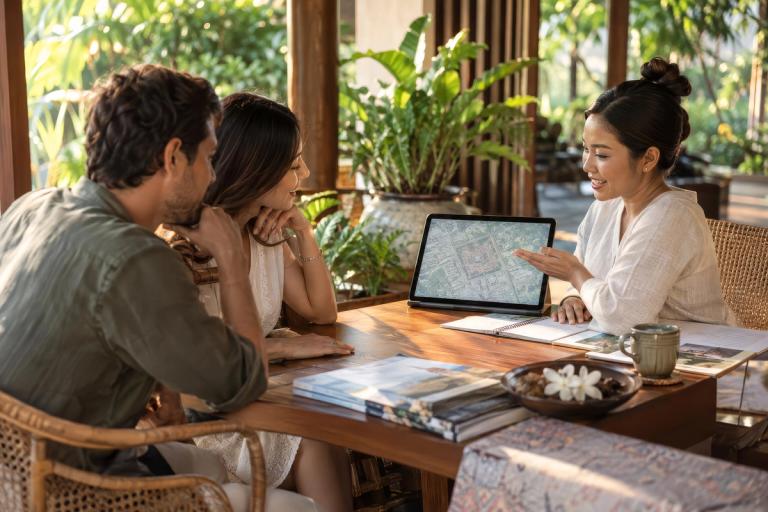
Tell Tanner your dates and what you love: temples, food, crafts or festivals. One planner picks the hotel inside or outside the moat, books a temple guide for the cool morning hours and plans your evenings. Our Thai team knows which temples are worth the early start and which you can skip. A driver waits for you all day, so the Old City stays easy and calm.