Is Chiang Dao worth visiting?
You have seen Chiang Mai's temples and want two days with nothing on the clock. Then yes, Chiang Dao is worth it. It gives you quiet mountain days, cool mornings and real countryside, with no shopping and no nightlife. The valley lies beneath one of northern Thailand's most striking limestone peaks, with a cave temple, forest walks, a hot spring and farmland all around.
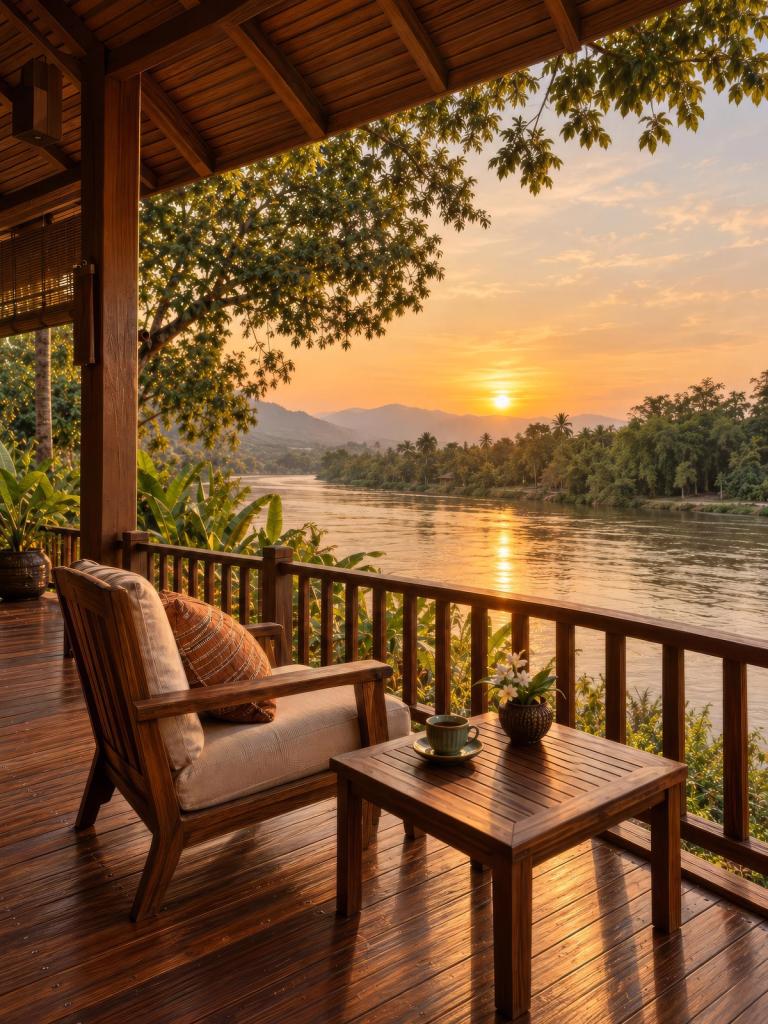
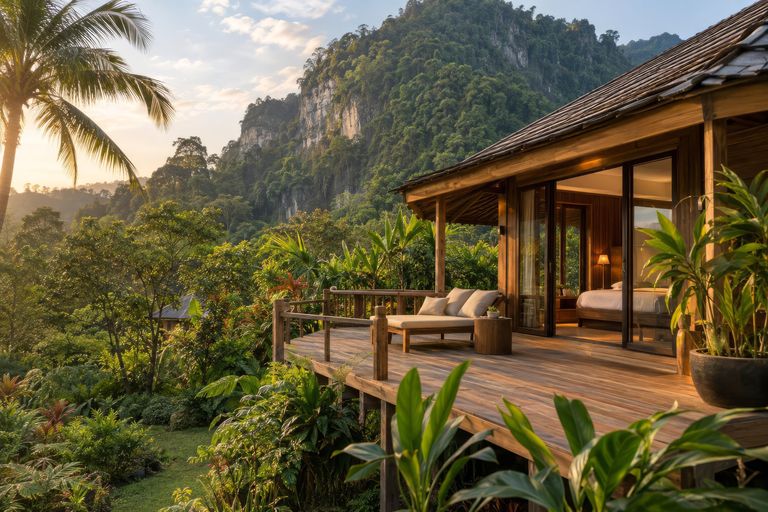
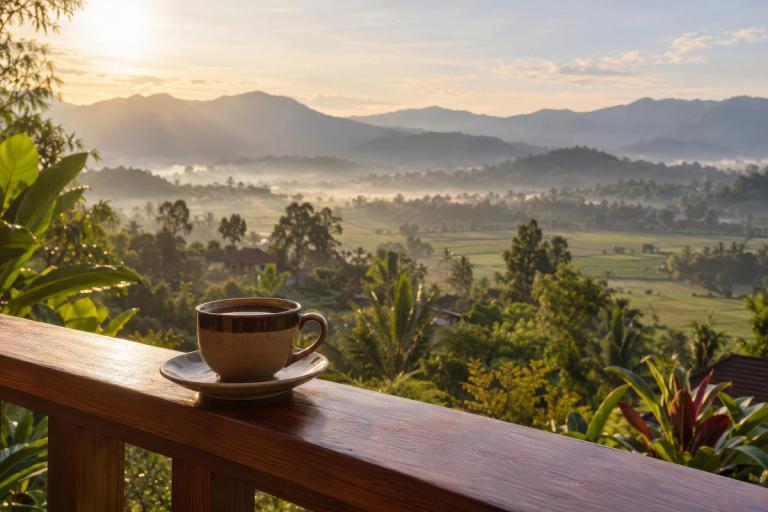
The view is the first reason to come. Doi Luang Chiang Dao rises steeply from the rice fields. On a clear morning its grey cliffs glow pink at sunrise above a sea of mist. Small resorts in the valley are built to face it, so you wake up to the mountain from your terrace.
The second reason is the pace. At six, mist lies on the rice fields below the cliffs. By eight you are on a forest trail with a guide, and lunch is a long northern Thai meal. In the afternoon you soak in the hot spring, then eat dinner under the stars. Phone signal and Wi-Fi are good enough for calls, but you will barely use them.
Who will not enjoy it? If you need a full-service five-star resort, a long spa menu or evening entertainment, base yourself in Mae Rim or Chiang Mai. Then take Chiang Dao as a private day trip. For nature lovers, photographers and couples who want calm, one or two nights here are the high point of the north.
Chiang Dao also sits on the edge of wild country. Pha Daeng National Park covers the forests to the north and west, with the hot spring inside it. The hills beyond are home to hill-tribe villages. With a good guide, one day holds a temple, a forest walk and a village lunch.
How to get to Chiang Dao from Chiang Mai
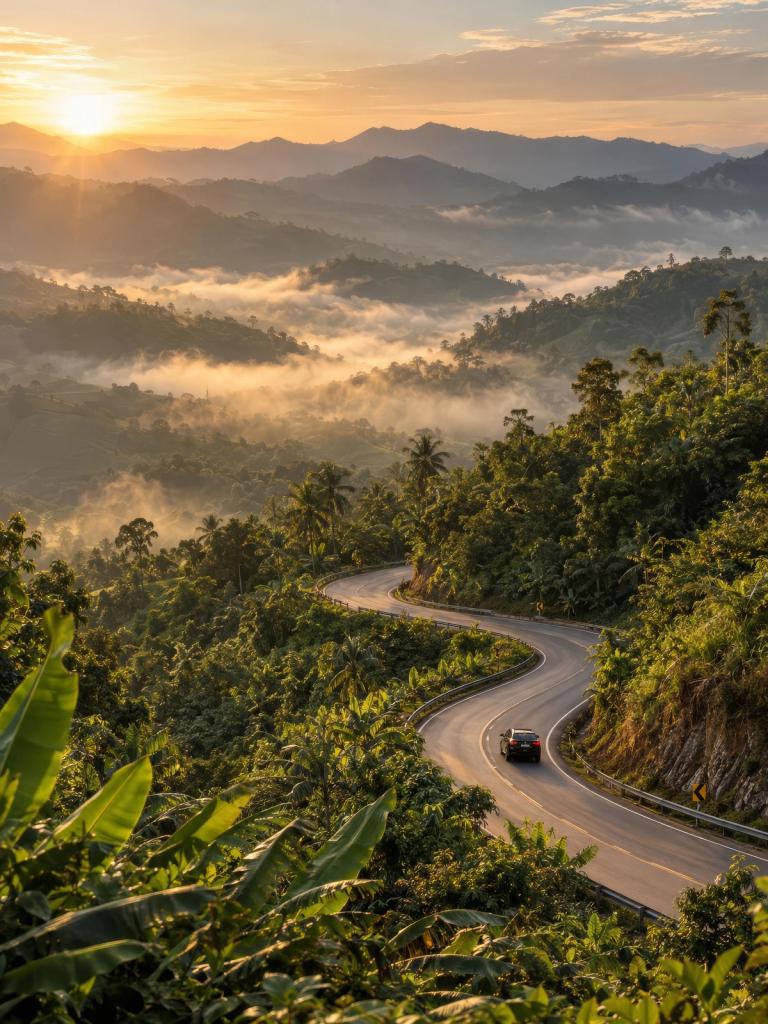
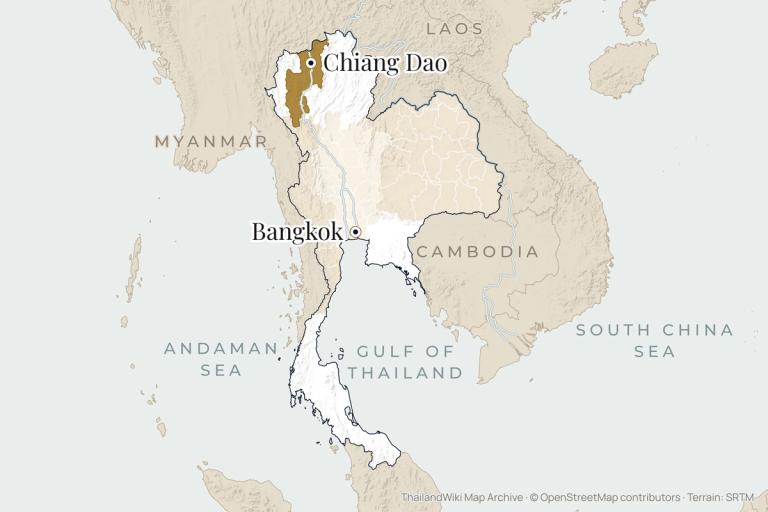
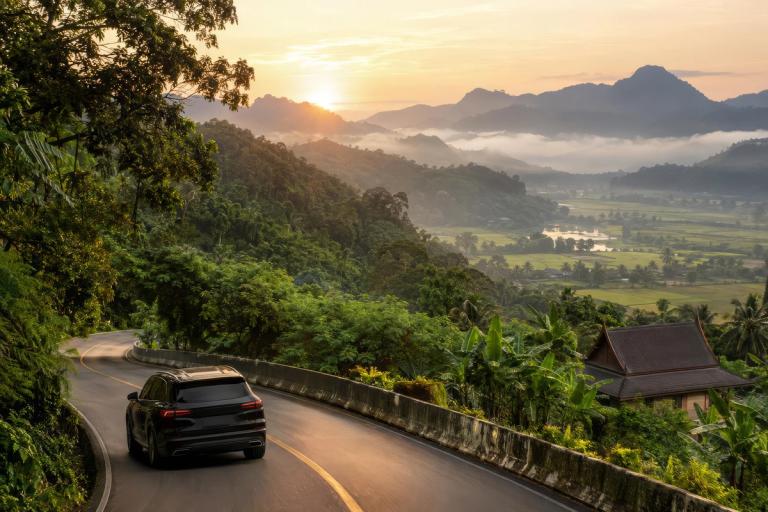
The best way to get to Chiang Dao is by private car from Chiang Mai. The road heads north through Mae Rim and up the valley of the Ping River. TAT describes the journey as about two hours' drive. The surface is good, and the last part runs through farmland and forested hills with the mountain ahead of you.
A private chauffeur is the comfortable choice. The driver collects you at your hotel or at Chiang Mai airport, stops where you want and waits at each sight.
Break the drive with a stop in Mae Rim, home to orchid farms, cafes and the valley's best resorts.
The valley itself is spread out, with the cave, the hot spring, the retreats and the viewpoints several kilometres apart along small roads. Keep the car with you for the whole stay rather than relying on local transport, which is limited and infrequent, especially in the evening.
Phone signal can drop in a few stretches of the mountain roads. Download your map before you leave, and agree on a meeting point with your driver. Road shoulders are narrow on the hills; we do not recommend self-driving or scooters here.
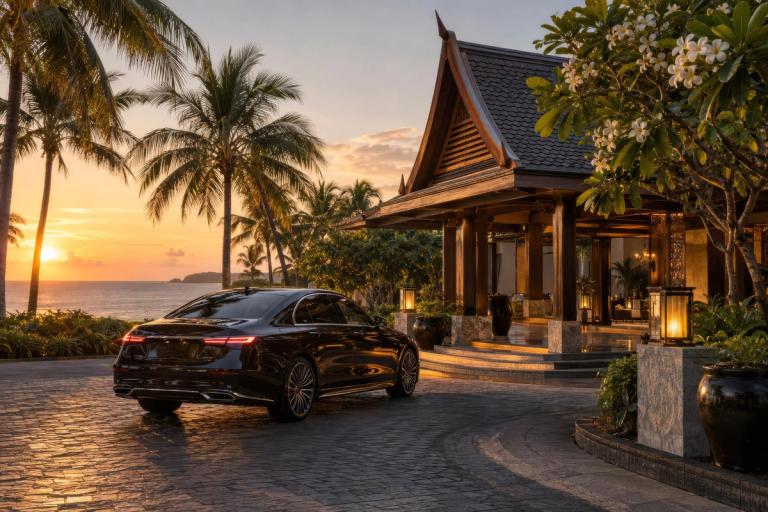
Arriving by air? Four Seasons Resort Chiang Mai, in Mae Rim, lists Chiang Mai International Airport as 35 km away, a drive of 30 to 45 minutes. The journey then becomes part of the holiday.
Doi Luang Chiang Dao: the summit trek and its season
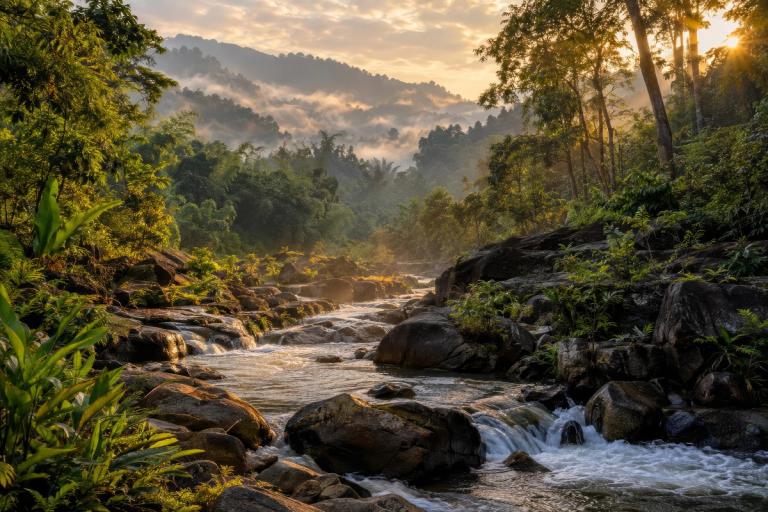
Doi Luang Chiang Dao is the limestone mountain that towers over the valley, and climbing it is the most demanding adventure in the area. Access to the summit is controlled by the authorities and limited to a season each year, with set routes and local guides. We confirm the current rules and dates before we plan a climb.
The Department of National Parks sets the 2026-27 trekking season on Doi Luang Chiang Dao from 16 November 2026 to 12 February 2027. Every trekker must register online in advance on the sanctuary's own site.
The climb is a serious hike on steep, rocky ground, and summit trips are usually timed for sunrise. It suits fit guests with good boots and a head for heights. The reward is a view above the clouds and across the hills of the far north.
For a gentler taste of the mountain, walk the lower forest trails around the valley with a local guide. Or simply watch the peak change colour from your terrace. Birdwatchers often find the foothills more rewarding than the summit, because the forest edges are where the birds feed.
If you plan to climb, tell us early. Places are limited in the season, the hike needs a certified guide and porters, and we match the pace to your group. We also arrange a car to meet you at the trailhead with dry clothes and breakfast.
Pack for big temperature changes. Bring a warm layer and a windproof jacket for the top, and light clothes for the lower slopes. Add a head torch, sunscreen and plenty of water. Walking poles help on the steep descent. Leave anything heavy in the car, because every extra kilo counts on the climb.
Chiang Dao Cave (Tham Chiang Dao)
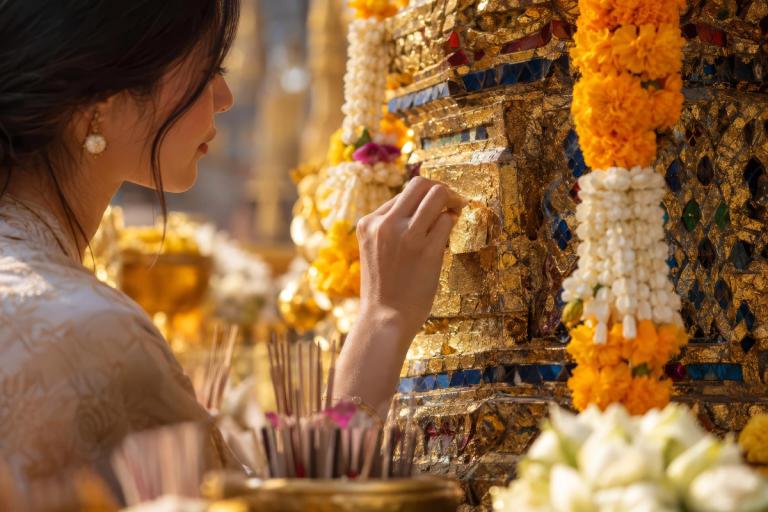
Chiang Dao Cave is a temple cave at the foot of the mountain, with Buddha images set into long passages of limestone. Part of it has lights and paved paths; the deeper passages are visited with a local guide carrying a lantern. The Chiang Dao Subdistrict Administrative Organization lists a ฿40 fee for foreign visitors. It is the valley's most famous sight and a peaceful place in the morning.
Dress as for any temple: shoulders and knees covered, and shoes off where you see others remove them.
Allow an hour, more if you take a guided walk into the unlit passages, where the ceilings are low and the path narrow.
Outside, a pond full of fish and a small temple complex make a pleasant place to sit. Nearby, the hillside temples above the valley offer wide views and few visitors. Your guide can take you up for the late-afternoon light.
For photographs, the lit chambers near the entrance are the most rewarding, with Buddha images glowing against the rock. Use a steady hand rather than a flash, which flattens the scene and disturbs worshippers. Keep voices low; for local people, this is a place of prayer first.
Hot springs, birdwatching and the local market
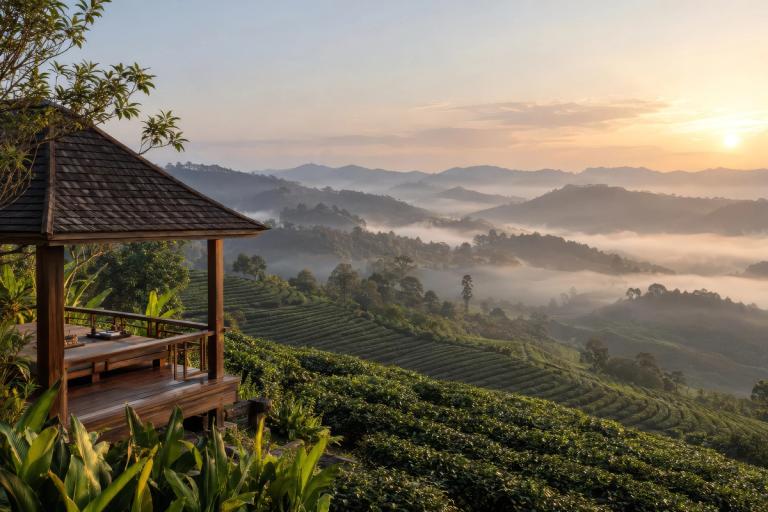
Beyond the cave, Chiang Dao offers a forest hot spring, some of the north's best birdwatching and a lively local market. Pong Ang hot spring lies inside Pha Daeng National Park, according to TAT. It makes a relaxing afternoon after a morning walk, especially in the cool months.
The hot spring is simple and natural, set among trees, rather than a spa. Bring a towel and swimwear, and go in the late afternoon when the air cools and the warm water feels best. A national park fee may apply; we confirm it on the day.
Birdwatchers come for the mix of forest, farmland and limestone. A local birding guide knows the right trails and can set up a telescope at the forest edge.
The town's weekly market brings hill-tribe farmers and traders to the main street with vegetables, textiles and snacks. Ask your host which day it runs that week, and go early. It is a colourful, friendly window into northern life.
Inside the national park, follow the same rules as in all of Thailand's parks. Stay on marked paths, take your rubbish with you and never feed wildlife. Drones need park permission.
Where to stay: the best boutique retreats in Chiang Dao
Chiang Dao has charming boutique retreats but no five-star resort. The best known is Chiang Dao Nest, two small properties in Ban Tham with 17 and 9 cabins, according to its site. For five-star comfort, base yourself in Mae Rim, at Four Seasons Resort Chiang Mai or Raya Heritage, and visit Chiang Dao for a day.
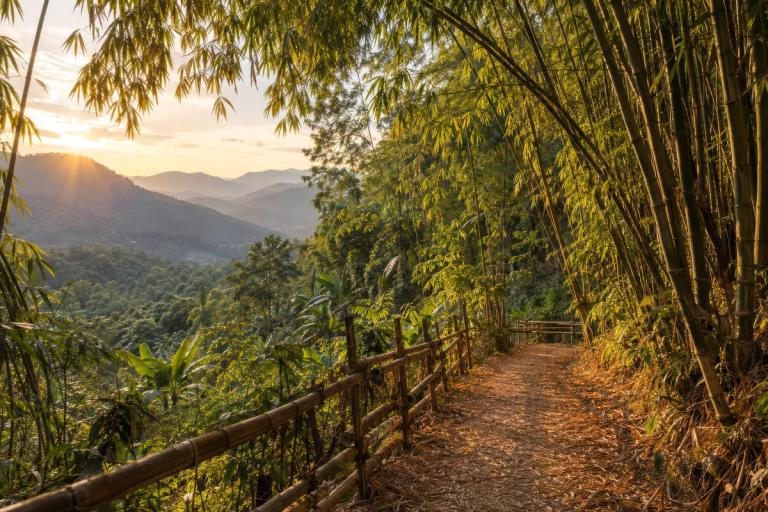
A night in the valley is worth it for the sunrise over the mountain. Rooms are simple and charming, often wooden cabins in gardens, with the peak in view. Expect good beds, hot showers and kind hosts rather than butlers and a spa. Book early for December and January.
Choose your cabin for the view. A room facing the mountain is the whole reason to stay; a garden-facing room loses the sunrise. For families, ask for connecting cabins or a larger house. Check stairs and paths if you travel with small children or older relatives, because many retreats sit on slopes.
For more comfort, Mae Rim is the answer. Four Seasons Resort Chiang Mai lists 98 pavilions, pool villas and residences among rice paddies, about 30 minutes from downtown Chiang Mai. It has the Wara Cheewa spa and a cooking studio. Its Two-Bedroom Grand Residence Pool Villa is 487 sqm.
Raya Heritage, also in Mae Rim, stands in gardens beside the Ping River with 38 suites. Its 11 Kraam Pool Suites each have a private pool. Children must be 6 or older, which keeps it calm. Its restaurant, Khu Khao, serves northern Thai rice-culture cooking.
Our pick: one or two nights in a Chiang Dao cabin for the mountain mornings. See our Mae Rim guide for the valley's other resorts and experiences.
Whichever you choose, we check the details that matter in the mountains before we book. These include hot water, heating or extra blankets for cool nights, and mosquito nets or screens. We also ask how the retreat handles late arrivals.
Food: Northern Thai kitchens and farm tables
Chiang Dao's food is Northern Thai home cooking. Expect sticky rice, grilled sausage, chilli dips with fresh vegetables, curries without coconut milk and herbs from the garden. The best meals are in small family kitchens and the retreats' own restaurants, many of which grow their own vegetables.
Try khao soi, the curry noodle soup of the north, and nam prik ong, a mild tomato and pork chilli dip.
For special diets, tell us in advance. Vegetarian dishes are easy to find. Chiang Mai has no Michelin-starred restaurant in the 2026 guide. Its Bib Gourmand list includes Khao Soi Mae Sai, a stop we like on the way back.
If you want to cook rather than only eat, Four Seasons Resort Chiang Mai runs Rim Tai Kitchen. A morning class there and a farm dinner in Chiang Dao make a fine pair.
Best time to visit Chiang Dao
The best time to visit Chiang Dao is November to January. The air is cool and clear, and the mountain stands sharp against a blue sky. The Thai Meteorological Department's northern normals show December and January as the driest months, with about 10.6 mm of rain each. Mornings can be chilly, so pack a warm layer.
Avoid February to April if you can. This is the north's smoky season, when farm burning and forest fires fill the air with haze. In Chiang Mai province, 2026 had 53 days above Thailand's 24-hour PM2.5 standard between 1 January and 31 May. The mountain can disappear from view for days.
The rains run from about May to October, and the northern normals make September the wettest month, with about 222 mm. The valley turns deep green and the rice fields fill with water, which many photographers love. Trails become muddy and slippery, and some activities may close.
October and early November are a fine compromise. Trails can be muddy after late storms, so pack shoes with good grip.
Is Chiang Dao cold? Days warm up quickly in the sun. Bring layers, socks for the evening and a light rain jacket in the green season.
Late November adds a festival to the cool weather. In 2026, Chiang Mai Province allowed Yi Peng lantern releases only on 24 and 25 November, from 19:00 to 01:00, with district permits. Spend a few nights in Chiang Mai for the lanterns, then quiet mountain days in Chiang Dao.
Two-day private plan: Mae Rim, Chiang Dao and back
Example plan: two days is the right length for Chiang Dao. Use one to arrive, explore and watch the sunset. Use the second for the sunrise, the cave and a slow return to Mae Rim. This is an example of what we arrange from Chiang Mai, not a fixed tour.
Day one. Leave Chiang Mai or Mae Rim after breakfast. Spend the afternoon at the Pong Ang hot spring and a hillside temple. Then watch the mountain turn gold from your terrace before a farm-to-table dinner.
Day two. Wake early for sunrise and a short guided walk on the forest trails. Visit Chiang Dao Cave before the day visitors arrive. After lunch, drive back to Mae Rim for a final night at a valley resort, with a spa treatment before dinner.
With more time, add a third day for the summit trek in season, or continue west through the mountains to Pai. The road there has many bends, so we plan it with breaks.
Short on time? A long day trip works too. Leave Mae Rim at seven, and visit the cave and a hillside temple in the morning. Have lunch facing the mountain, soak in the hot spring and drive back for dinner.
Is it safe to visit Chiang Dao and Chiang Mai?
Yes. Chiang Dao and Chiang Mai are safe and welcoming places to visit. Chiang Mai is not in any area named in the main foreign travel advisories. The practical risks are mountain roads, the smoky season and long hikes in the heat. All are easy to manage with a driver, good timing and a guide.
For medical care, Chiang Mai has two JCI-accredited hospitals, Bangkok Hospital Chiang Mai and Chiangmai Ram Hospital. Our Chiang Mai guide covers the city itself, and we share hospital and emergency details with every guest before the trip.
For context, the US State Department rates Thailand Level 1, its lowest advisory level, in its advisory of 7 July 2026. The main precaution in the north is the air. Check the daily PM2.5 reading in the smoky months, and plan your visit for the clear season.
Plan Chiang Dao with Tanner
Tanner plans Chiang Dao as part of a calm northern journey. That means the car and driver, the best cabin for the mountain view and a guide for the cave and the trails. The trip ends with a five-star finish in Mae Rim. For the wider region, see our guide to northern Thailand, then send us your dates.
You get one written plan with every price included, and one planner for the car, the cabin, the guide and the Mae Rim resort. Our Thai team works in the north, and if a stop is too far for what it offers, you hear it from us first.