What is central Thailand known for?
Central Thailand is known for its history, its rivers and its capital. The Chao Phraya River and its plain fed the kingdoms of Sukhothai and Ayutthaya, and Bangkok grew at its mouth. Today the region holds Thailand's greatest ruins, its royal river and the country's largest city, all within easy reach of each other.
You have a few days in Bangkok and want more than the city. The region gives you three kinds of trip. First, history: temples and ruins in Ayutthaya, Lopburi and Sukhothai. Second, nature: the forests of Khao Yai and the rivers of Kanchanaburi. Third, Bangkok itself, with its palaces, food and nightlife.
Our call: base yourself in Bangkok and take private day trips or one-night stays. Distances are short, roads are good, and a new fast train reaches Ayutthaya in about an hour. Come here when you want more than beaches.
The food is a reason to come as well. The central plain grows much of Thailand's rice and fruit, and its rivers supply prawns and fish. Ayutthaya is famous for giant river prawns grilled over charcoal, and Bangkok's markets show the full range of central Thai cooking. Ask us for a long lunch by the river on any day trip.
Is Bangkok part of central Thailand?
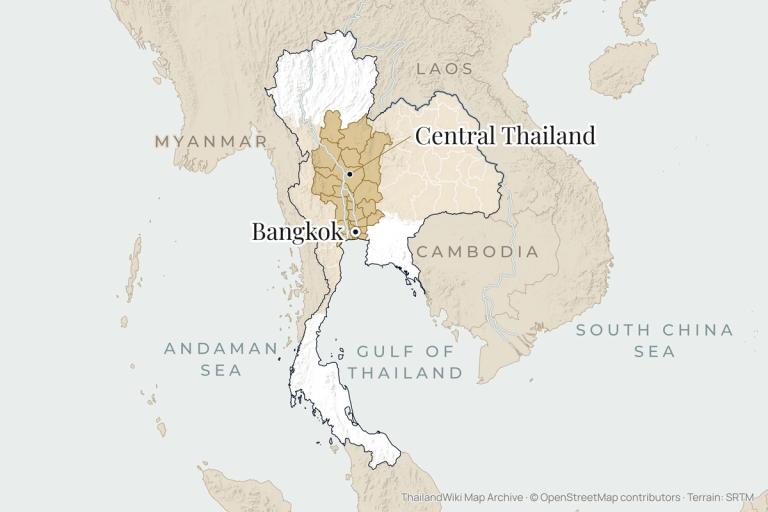
Yes. Under the Royal Institute's scheme, which divides Thailand into six regions, central Thailand is Bangkok plus 21 provinces. That list includes Ayutthaya, Lopburi, Nakhon Pathom and Samut Prakan near the capital, and Sukhothai and Phitsanulok further north. Other government schemes draw the lines differently, so maps can vary.
The National Statistical Office, for example, uses a narrower central group and counts Bangkok and its neighbouring provinces separately. For travel, the Royal Institute's wider picture is the most useful: it keeps the old capitals, the plain and Bangkok together.
Our Bangkok guide covers the city in full. On this page, we focus on what lies around it.
In practice, Bangkok works as the base for the whole region. You sleep in a riverside suite, and each morning a driver takes you out to a different old city, park or market.
Ayutthaya and Lopburi: the old capitals by river and road
Ayutthaya is central Thailand's essential day trip: the ruined capital of a great kingdom, set among rivers. Since 1 August 2026, the State Railway of Thailand's Bangkok Connex runs from Krung Thep Aphiwat to Ayutthaya in just over an hour. The provincial site gives 76 km by road.
The Fine Arts Department charges ฿50 per temple or ฿220 for a combined ticket at Ayutthaya Historical Park, which opens daily from 08:00 to 18:00. Start early, with a guide, and see the great temples before the heat. Bang Pa-in, a royal summer palace, is a stop on the same train line. Read our Ayutthaya guide.
Lopburi lies further north, 153 km from Bangkok via Highway 1, the Tourism Authority of Thailand says. The State Railway of Thailand's special express 7 reaches Lop Buri 2 station in about 1 hour 36 minutes. Lopburi is famous for its Khmer-style temples and for the monkeys that live around them. See our Lopburi guide.
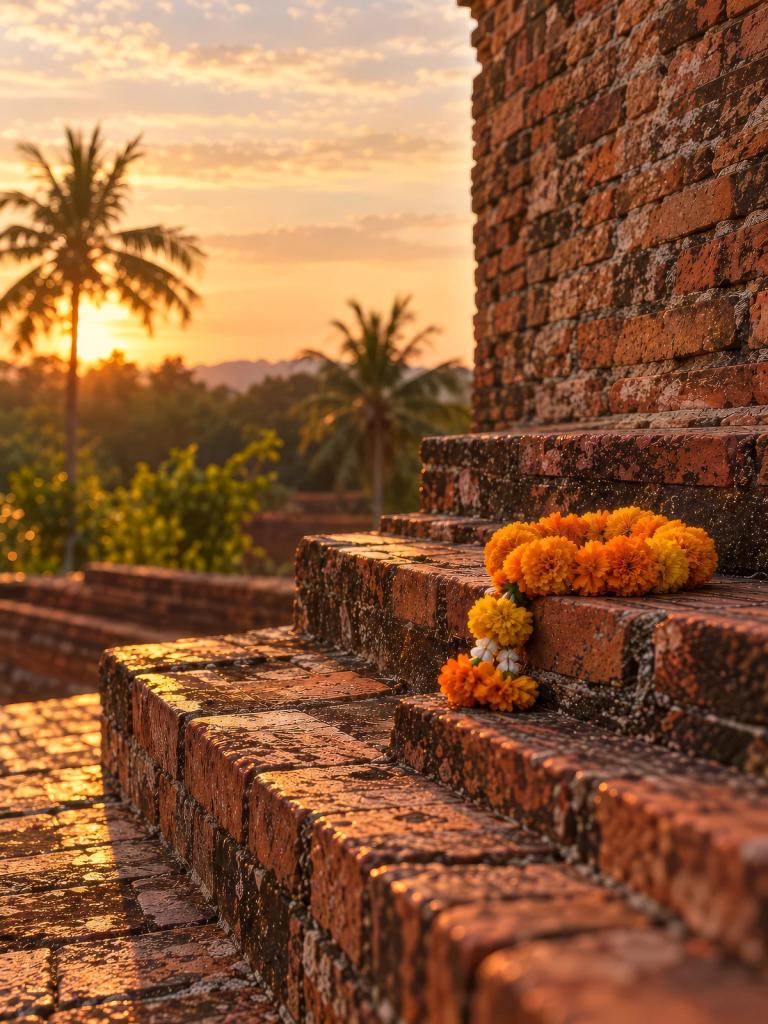
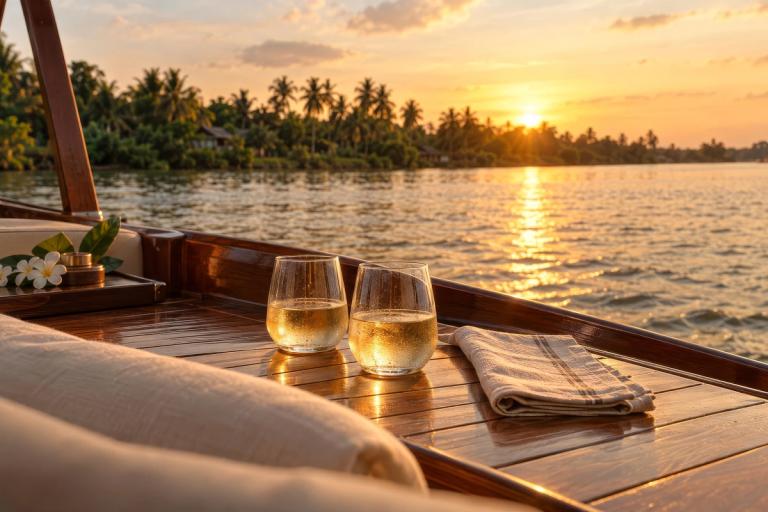
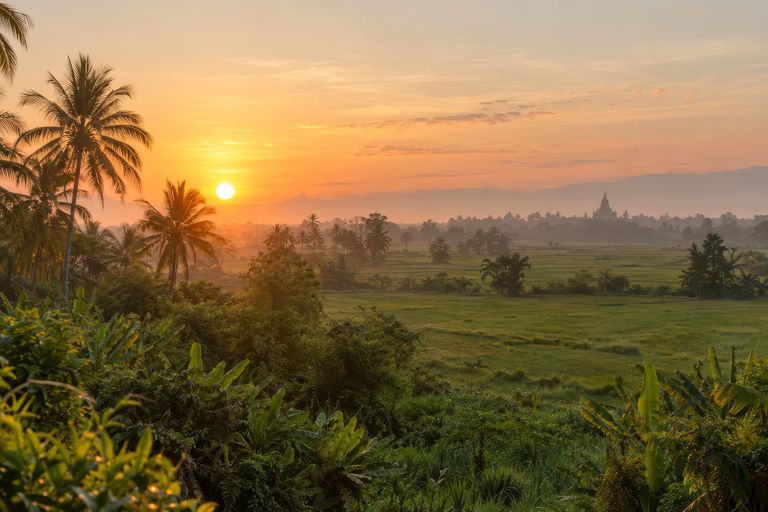
Ayutthaya is beautiful in the late afternoon too. Stay for sunset, when the brick turns red and gold, and take a private boat around the island city on its rivers. A riverside dinner with grilled river prawns makes a fine end to the day before the drive back to Bangkok.
Kanchanaburi and the River Kwai
Kanchanaburi, west of Bangkok, is known for the River Kwai, its wartime railway and wide green landscapes. The Tourism Authority of Thailand gives about 2 hours by road, and the province gives 129 km. It suits one or two nights, with a riverside resort, a history day and a day in the national parks.
The history is moving and well told. The JEATH War Museum charges ฿50, the Kanchanaburi Provincial Office says. The Australian Department of Veterans' Affairs lists the Hellfire Pass Interpretive Centre as free and open from 09:00 to 16:00 daily. It will be closed from 3 to 23 May 2027. See our Bridge on the River Kwai guide.
Nature is the other side of Kanchanaburi. Erawan National Park, with its tiered waterfalls, is in the Department of National Parks' group 3, which charges ฿300 for a foreign adult. Our Kanchanaburi guide lists the best resorts and routes.
Stay on the river if you can. Riverside resorts with floating pavilions and quiet gardens make the most of the setting. A long-tail boat can take you to dinner or to the bridge at dusk.
Khao Yai and Sukhothai: a step beyond the plain
Khao Yai and Sukhothai sit at the edges of central Thailand, and both are worth the extra distance. Khao Yai National Park lies about 200 km from Bangkok, the park says, and the drive takes 2.5 to 3 hours. Sukhothai, the first great Thai capital, is a UNESCO World Heritage Site, inscribed in 1991.
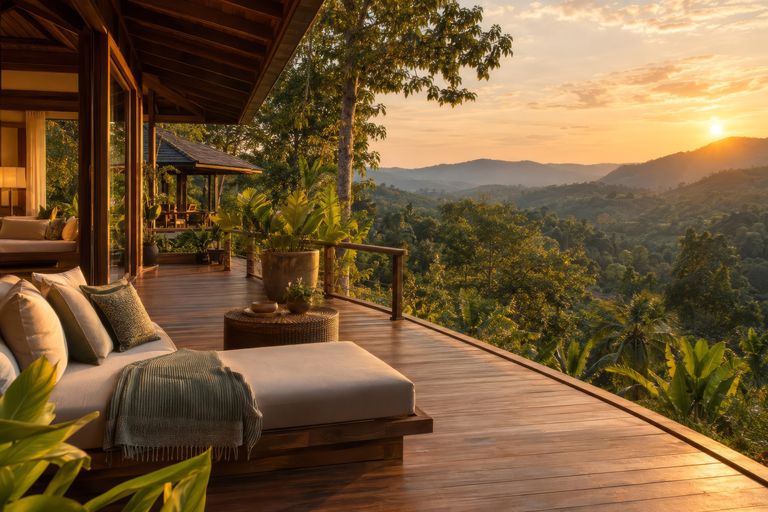
Khao Yai is a cool hill escape with forest, wildlife, vineyards and smart resorts. The Department of National Parks charges ฿400 for a foreign adult at the Noen Hom and Pak Chong gates. See our Khao Yai guide.
Sukhothai's ruins sit in calm parkland, best seen by bicycle or with a private guide at sunrise. The Fine Arts Department charges a fee for each zone at the gates. We suggest you fly there or combine it with the north. Read our Sukhothai guide.
Sukhothai is at its most magical in November. Its Loy Krathong festival runs from 15 to 24 November 2026, with light-and-sound shows at 19:00. Loy Krathong night falls on Tuesday 24 November. Reserved seats cost ฿500, ฿900 or ฿1,200, according to the government's Thailand.go.th listing. Rooms sell out early, so book well ahead.
Private day trips from Bangkok
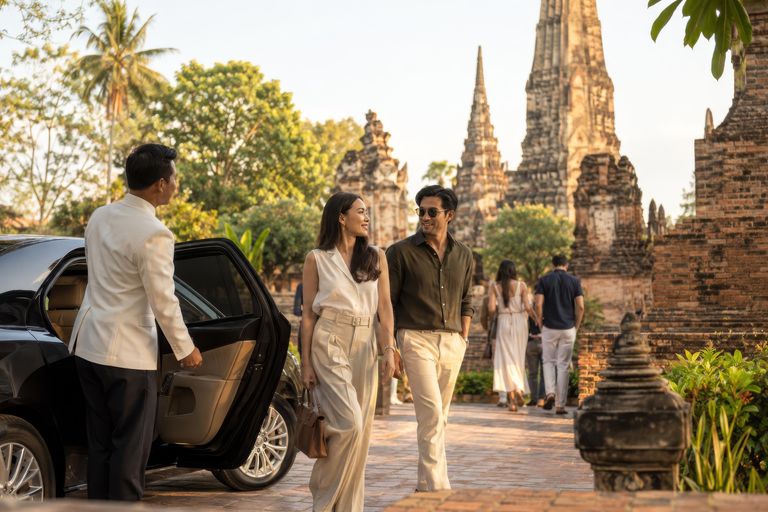
The best way to see central Thailand is on private day trips from Bangkok. Your car leaves the hotel early, and you walk into the ruins while the stone is still cool. A guide meets you on site, lunch is by the river, and you are back for dinner. You never wait for a bus or a group.
By car. Our chauffeur service offers comfortable cars and vans with experienced drivers. Ayutthaya, Nakhon Pathom and the floating markets are easy day trips. Kanchanaburi and Khao Yai are better with a night away.
By river. A private boat on the Chao Phraya is the classic way to arrive in Ayutthaya, or to see Bangkok's temples and palaces from the water. Our Bangkok river cruises page explains the options, from sunset cruises to full-day trips.
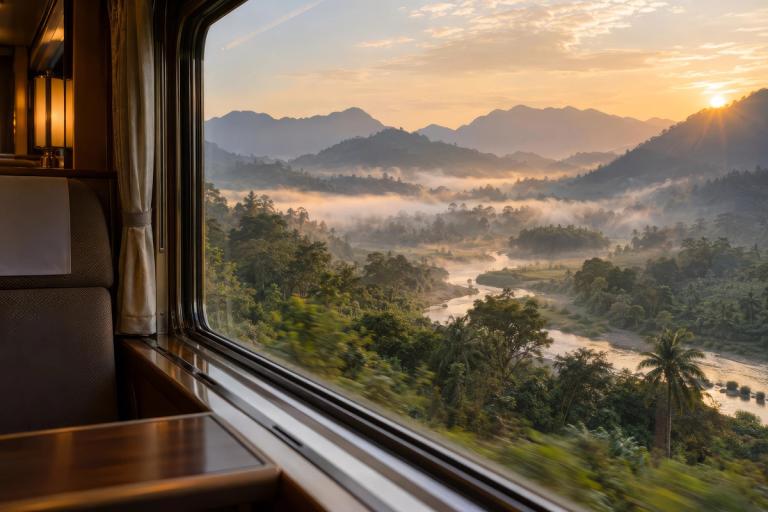
By train. The Bangkok Connex is fast and simple for Ayutthaya, and we can have a driver waiting at the station.
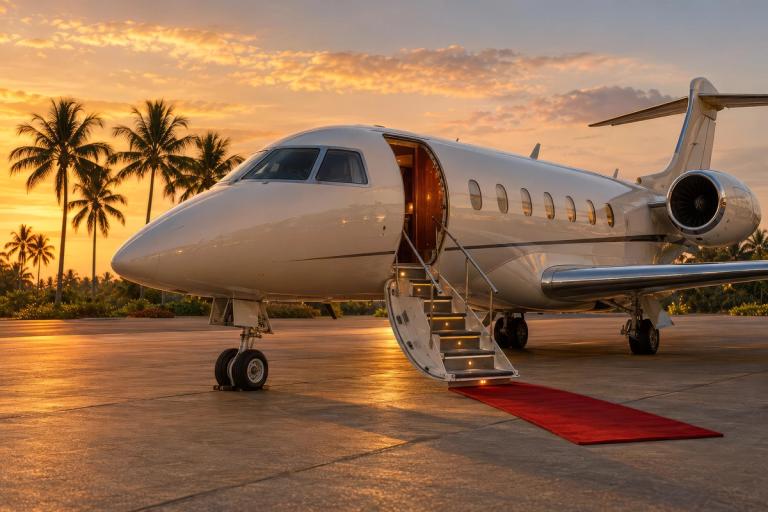
By air. For tight schedules, a helicopter or small plane can save hours on longer routes, with the right permits. Tell us your dates, and we check what is possible.
Best time to visit central Thailand
The best time to visit central Thailand is November to February, the cool season, when days are dry and evenings are pleasant. The Thai Meteorological Department's records for Bangkok show September as the wettest month. November is already much drier, with about 5 rainy days.
March to May is hot, so plan ruins for early morning and rest in the afternoon. The rains run from about May to October. Showers are often short, and the countryside is green, but some roads and riverside sites can flood. Our Thailand weather guide gives the monthly detail.
Plan central Thailand with Tanner
Tanner plans central Thailand as day trips or short stays from Bangkok. One planner books the driver, the guide, the boat and the riverside rooms, and times each visit for the coolest hours. Our Bangkok staff know which sights are too exposed to enjoy in the heat, and they leave them out.
Example plan: on day one, take the fast train to Ayutthaya, meet your guide at the station and see the ruins before the heat. Lunch is grilled river prawns by the water. On day two, drive west to Kanchanaburi, see the bridge at dusk and sleep on the river. Tell us what interests you most. We get back to you right away.