What is Kanchanaburi best known for?
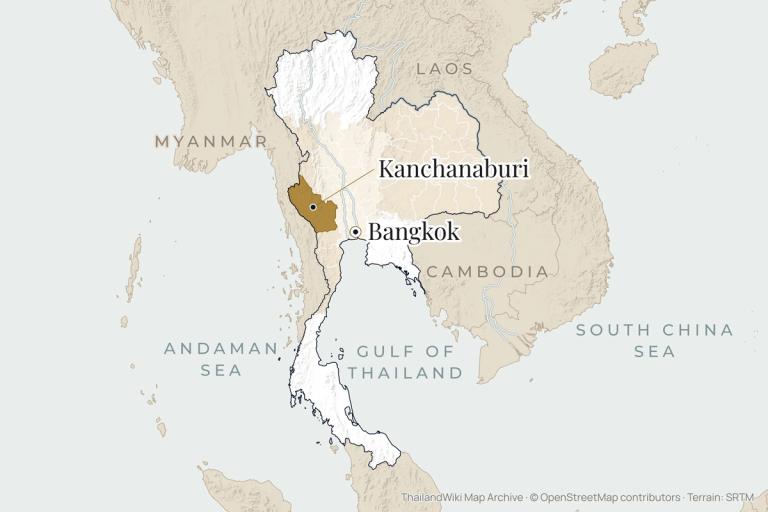
You have a free weekend in Bangkok and want history, a river and clean air, two hours from your hotel. Kanchanaburi is best known for the Death Railway and the bridge over the River Kwai. Prisoners of war built them in the Second World War. It is also known for its war cemeteries and the seven-tier Erawan Falls. River life, with floating rafts and jungle hills, adds calm.
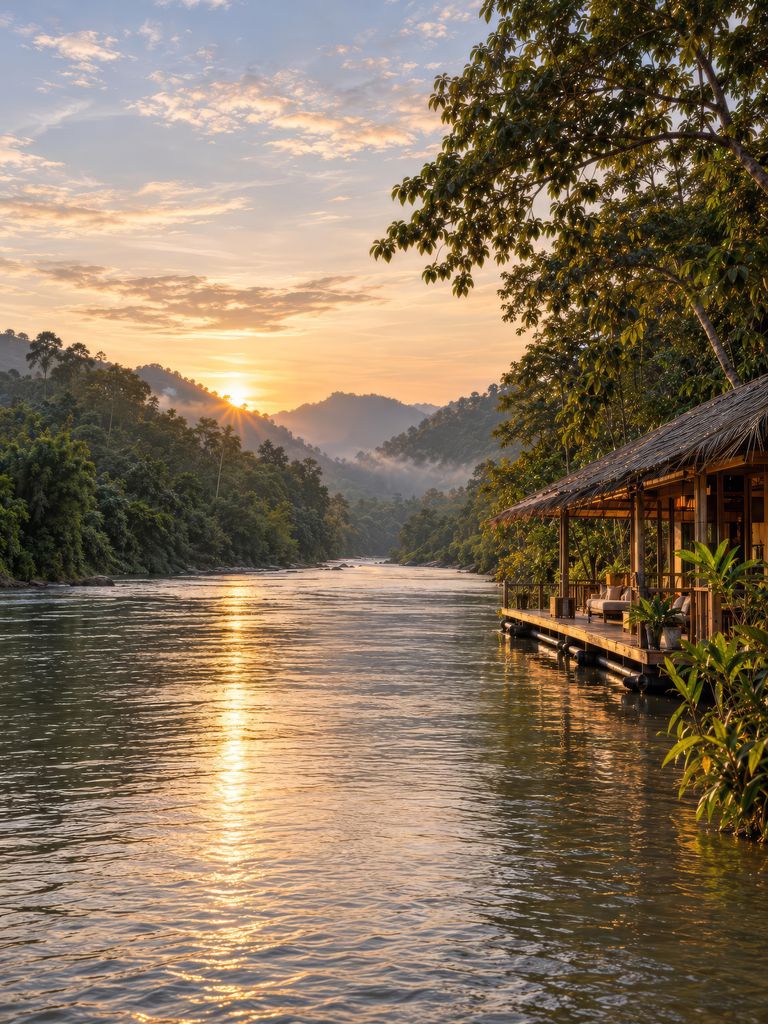
The province is large and green. The Kwai Noi and Kwai Yai rivers run through forested valleys towards the Myanmar border. National parks protect waterfalls, caves and wildlife. Small resorts sit on the riverbanks, some on floating platforms on the water.
Come for the history, or for the rivers and waterfalls. The best trips combine both, with time to reflect and time to rest.
Kanchanaburi is also close. Two hours from Bangkok, it feels far from the city, with clean air, open skies and the sound of the river.
Food is another pleasure. River restaurants serve freshwater fish, spicy salads and northern-style dishes, often on platforms over the water.
Who is Kanchanaburi best for?
Kanchanaburi suits history lovers, families and anyone who wants a nature weekend from Bangkok. Visitors from Australia, the UK and the Netherlands often come to honour relatives who worked on the railway. Families enjoy the waterfalls and river rafts. Couples like the quiet floating villas.
It also works well for business groups who want a reflective, meaningful outing close to the city. Tanner adds a historian-guide where history is the focus.
Veterans' families often plan a personal visit to find a relative's grave or to walk the place where he worked. We help with the research in advance, arrange a guide who knows the records and set aside quiet time at each site. It is one of the most meaningful trips we arrange.
Wellness guests also come for the river resorts, the clean air and the slow pace.
What happened on the Death Railway?
The Death Railway was a 424 km line built by Japan between Thailand and Burma during the Second World War. Work began in June 1942, and the sections met in late October 1943, the Commonwealth War Graves Commission records. About 13,000 prisoners of war and an estimated 80,000 to 100,000 civilian labourers died building it.
Japan needed a land route to supply its forces in Burma. It forced Allied prisoners of war, mainly British, Australian, Dutch and American, to build the line through jungle and mountains. Asian civilian labourers from across the region worked beside them in even greater numbers.
Conditions were terrible. Workers suffered from hunger, disease, heat and brutal treatment. Many died from cholera, dysentery and exhaustion. The cuttings and bridges they made by hand still stand in places today.
Visiting the railway sites is a moving experience. Please treat them with respect. A private historian-guide explains the story with care and answers questions honestly.
Thailand itself remembers the railway too. A good guide also tells the story of the Thai people who secretly helped prisoners with food and medicine.
Which war sites should you visit?
Visit the bridge over the River Kwai and Kanchanaburi War Cemetery. Add Chungkai War Cemetery, the Hellfire Pass memorial and a railway museum in town. Together they tell the full story. A private car and guide let you see them in one day, or across two calmer days with time to reflect.
The bridge over the River Kwai. The steel bridge still carries trains and is the symbol of the railway. Walk across early in the morning, before the crowds.
Kanchanaburi War Cemetery. More than 5,000 Commonwealth and 1,800 Dutch casualties are buried or commemorated here, the CWGC says. It opens Monday to Friday from 08:00 to 17:00 and Saturday from 08:00 to 12:00. The CWGC warns that snakes may be present, so stay on the paths.
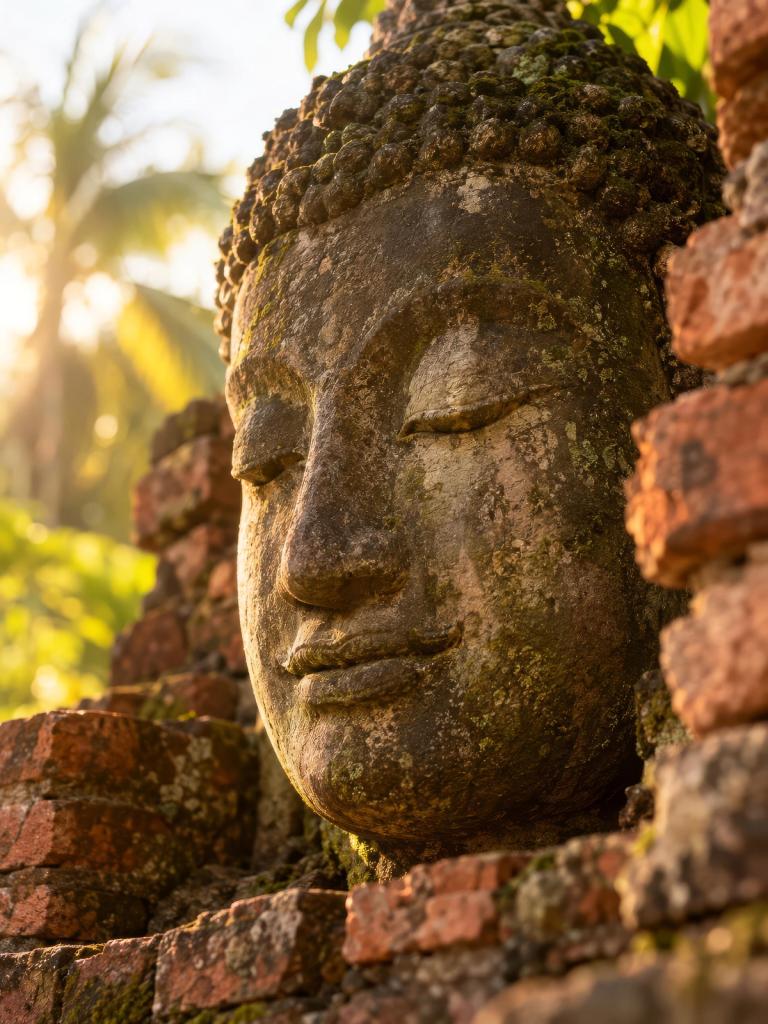
Chungkai War Cemetery. A smaller, quieter cemetery by the river, on the site of a former prisoner-of-war camp. It is a peaceful place to reflect.
Hellfire Pass Interpretive Centre. Run by the Australian Government, it is free and open from 09:00 to 16:00 daily, the Department of Veterans' Affairs says. It will close from 3 to 23 May 2027. A walking trail follows the cutting, dug by hand through solid rock.
Museums in town. The Thailand-Burma Railway Centre explains the history in detail. Its own site lists ฿160 for adults on a 2022 page, so check on the day. The JEATH War Museum charges ฿50, the Kanchanaburi Provincial Office says.
How should you plan the war sites? Start at a museum to understand the story, then visit the cemetery and the bridge. Hellfire Pass, further up the valley, deserves a separate morning. Our call: take two days rather than one, because the history is heavy and time to reflect matters.
Dress modestly at every site. Cover shoulders and knees in the cemeteries and memorials, and keep voices low. Photographs are fine, but please be discreet near people who are paying respects.
How do you visit Erawan Falls and Sai Yok?
Visit Erawan Falls early in the morning with a private car, before the day groups arrive. Erawan National Park charges foreign adults ฿300 under the DNP fee rules. It closed for floods from 27 to 29 September 2026 and reopened on 3 October 2026. Sai Yok National Park also charges ฿300.
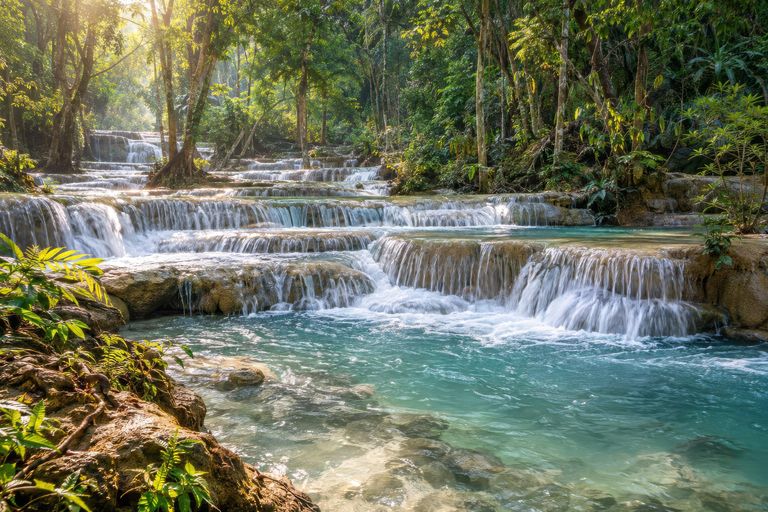
Erawan Falls. Seven tiers of turquoise pools step up through the forest. The lower tiers are an easy walk. The upper tiers need more effort on steep, slippery paths. Swim in the pools, but watch for small fish that nibble your feet. Bring water shoes.
Sai Yok National Park. The park closed its service-zone sites from 27 September 2026 after flooding, the Department of National Parks said. The park's official page says Sai Yok Yai waterfall reopened on 5 October and Sai Yok Noi on 10 October 2026. Lawa Cave stayed closed in mid-October while its path was repaired, so we confirm before each trip.
Park tickets are electronic at some parks, so carry your passport.
The park has more than the falls. Forest trails, caves and quiet viewpoints reward those who walk a little further. A local guide can show you the birds and plants along the way. In the dry season, the pools are clearest and the colours are at their brightest.
Kanchanaburi also has smaller, quieter waterfalls and caves outside the national parks. On busy weekends, when Erawan fills with day visitors from Bangkok, your guide takes you to one of these instead.
Can you ride the Death Railway train?
Yes. Two trains a day run from Thonburi station in Bangkok to Nam Tok, at 07:45 and 13:55. That is the State Railway of Thailand timetable. They arrive at Nam Tok at 12:05 and 18:15. The line crosses the bridge over the River Kwai and follows the river through the valley.
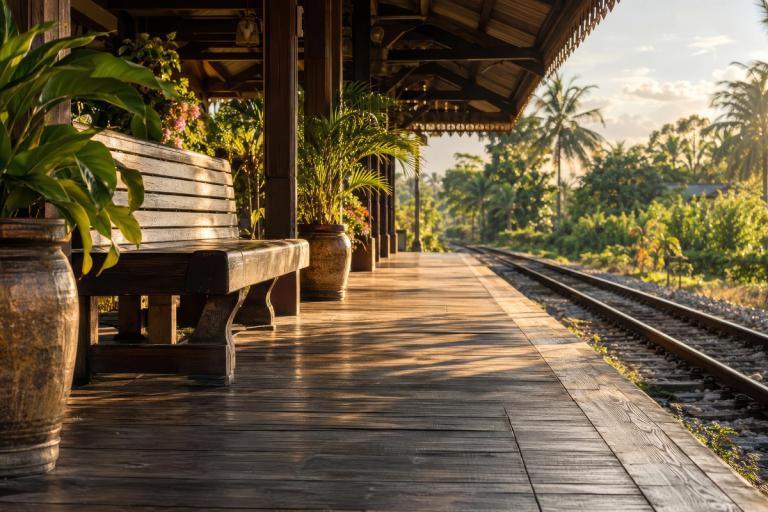
We suggest you drive to Kanchanaburi and board the train for a short stretch over the bridge and the viaduct. The most scenic part is the Wang Pho viaduct, where the track hugs a cliff above the river. The car waits at the next station.
The train is simple, with open windows and wooden or plastic seats. It is slow and can be crowded with visitors on weekends. For comfort, take only the scenic section, bring water and a hat, and let your driver meet you at the other end.
Where should you stay in Kanchanaburi?
Stay in a river resort for the full Kanchanaburi experience. Our top picks are Hintok River Camp near Hellfire Pass and The FloatHouse River Kwai, with its floating villas. In town, U Inchantree Kanchanaburi sits by the river. Each sits on the water, with views of the river and the hills.
Hintok River Camp. A tented camp in Sai Yok district, close to Hellfire Pass, with a jungle setting by the river. It suits you if you want nature and the railway history in one place.
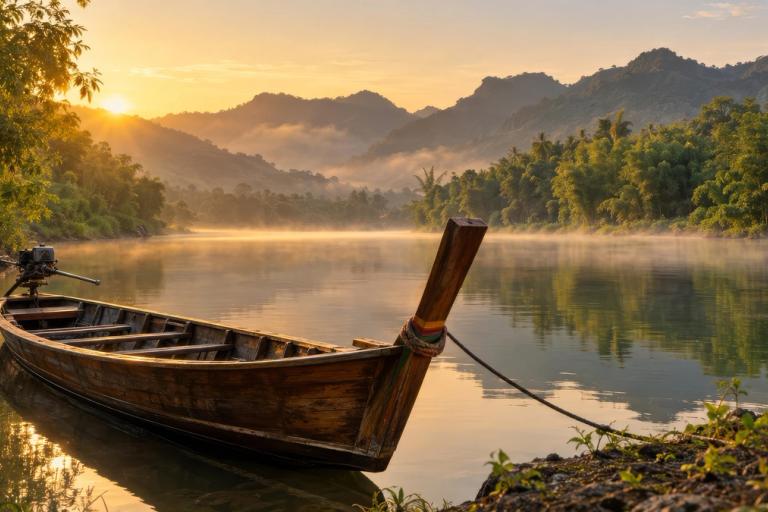
The FloatHouse River Kwai. Floating villas on the river in Sai Yok district, with decks over the water. Wake up to mist on the river and swim from your terrace.
U Inchantree Kanchanaburi. A riverside hotel in town, close to the bridge, with 50 rooms and suites, the hotel says.
For groups, a private riverside villa with a chef is another option. Tanner sends photos and a written quote.
Why stay on the river? Many resorts can arrange a longtail trip at sunset or a candlelit dinner by the water. It is a calm contrast to the heavy history of the day.
Weekdays on the river are the quietest, and the best floating villas are easier to secure.
What should you pack? Floating villas have steps and decks, so flat shoes are best. Add a long-sleeved top and trousers for the cemeteries, and water shoes for the falls.

How long do you need in Kanchanaburi?
One long day from Bangkok covers the bridge, the cemetery and a museum. Two nights is the luxury pace, with time for Hellfire Pass, Erawan Falls and a quiet evening on the river. Three nights lets you add Sai Yok, the train ride and a slow day at the resort.
Example plan: two nights. Day 1: drive from Bangkok, visit the cemetery, the bridge and a museum, then check into a river resort. Day 2: Hellfire Pass in the morning, the train over the viaduct, a river sunset. Day 3: Erawan Falls at opening, lunch, then drive back to Bangkok.
With three nights, add a slow day: a long breakfast, a swim, a massage and a short boat trip. It gives the history time to settle and makes the trip feel like a holiday rather than a tour.
Short on time? A single long day from Bangkok still works. Leave at 7:00, visit the museum and the cemetery, walk the bridge, have lunch by the river and drive back in the late afternoon.
When is the best time to visit Kanchanaburi?
The best time to visit Kanchanaburi is November to February, in the cool season. The days are dry and pleasant, and the waterfalls still flow well. March to May is very hot. September and October bring heavy rain, and floods can close parks, as at Erawan and Sai Yok in late September 2026.
In the cool season, mornings on the river can be misty and fresh. Book river resorts early for weekends, when many Bangkok families visit. For month-by-month weather, see our Thailand weather guide.
Late November to early December is also when River Kwai Bridge Week takes place, with a light-and-sound show at the bridge. Dates for 2027 are usually announced later in the year.
The rainy season has a softer appeal. The hills turn bright green, the rivers run full and the resorts are quiet. Showers are often short.
How do you get to Kanchanaburi?
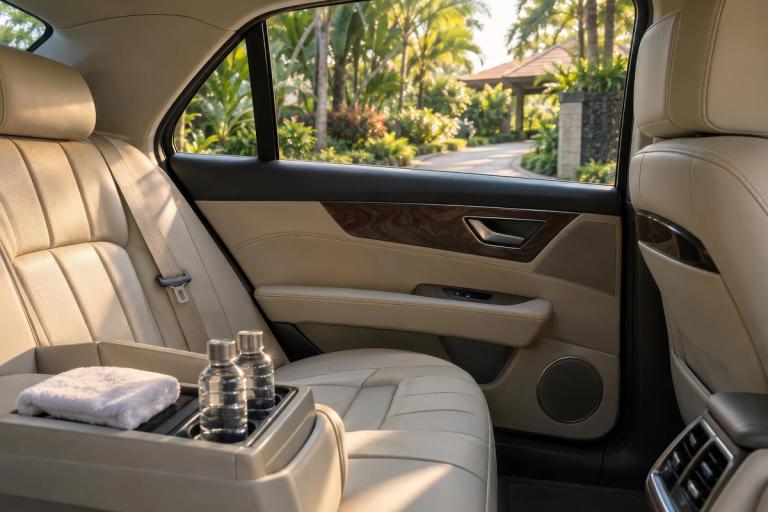
Drive from Bangkok with a private chauffeur, about 2 hours for the 129 km, the Tourism Authority of Thailand says. You can also take the State Railway of Thailand train from Thonburi station. There are no scheduled flights to Kanchanaburi. A helicopter can be arranged on request, subject to landing permission.
Our luxury chauffeur service covers the drive and every outing, with a driver who waits at each site. For a fast arrival, see our helicopter charter. Our Bangkok to Kanchanaburi route guide compares every option. Kanchanaburi pairs well with Ayutthaya on a longer trip from Bangkok.
Arriving from abroad? Fly into Suvarnabhumi or Don Mueang, and a driver holds your name card in the arrivals hall. Rest one night in Bangkok first, then leave after breakfast to reach Kanchanaburi in time for lunch by the river. One planner handles the car, the river resort, the guide and the train section.
| Name | Kind | Area | Price | Best for | Note |
|---|---|---|---|---|---|
| Hintok River Camp | hotel | Sai Yok, near Hellfire Pass | ฿฿฿ | Couples | Tented camp by the river. |
| The FloatHouse River Kwai | hotel | Sai Yok | ฿฿฿ | Families | Floating villas on the river. |
| U Inchantree Kanchanaburi | hotel | Kanchanaburi town | ฿฿ | Short stays | 50 rooms and suites; open since 2010. |
| Kanchanaburi War Cemetery | attraction | Saeng Chuto Road, town | ฿ | History | More than 5,000 Commonwealth and 1,800 Dutch casualties. |