Elephant sanctuary Thailand: what makes one ethical?
An ethical elephant sanctuary Thailand can be proud of has no riding, no shows and no tricks. You watch, you learn, and the elephants decide how close they come.
The word sanctuary is not protected in Thailand. Any camp can use it, including places that still sell rides or bathing sessions. So you judge a place by what its elephants do all day.
No riding. An elephant's spine is not built to carry people for hours. A camp that sells even a short ride is not a sanctuary, whatever its sign says.
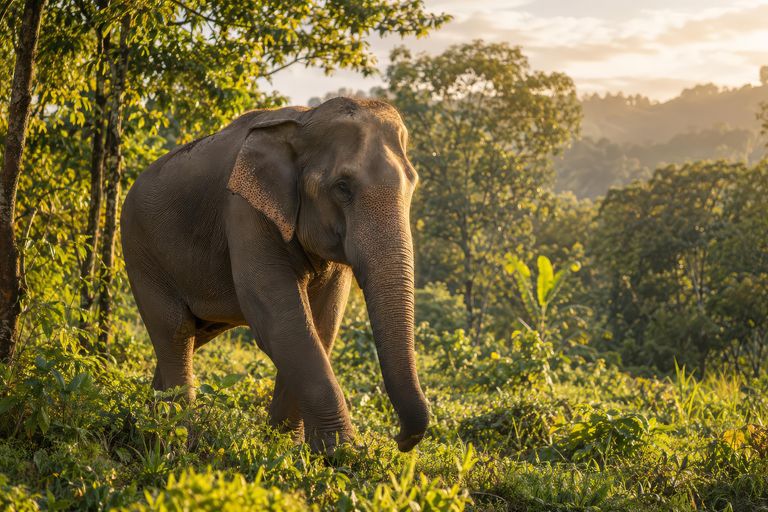
No bathing shows. Elephant Nature Park says visitors have not bathed with its elephants since 16 April 2018. Its elephants now bathe themselves in the river while you watch from a platform.
Small groups. A good visit feels quiet. Ask the maximum group size before you book, and walk away from any answer that sounds like a coach tour.
Vets on site. Ask who treats the elephants and where. The best places run their own clinic or hospital and say so openly.
A clear rescue history. Every elephant should have a story the keepers can tell you: where it worked, when it arrived and why. Our call: if they cannot answer, do not go.
Which sanctuaries pass our checks?
Two names lead our shortlist: Elephant Nature Park near Chiang Mai and Phuket Elephant Sanctuary. Both pass every check we can confirm on their own websites, and both began with elephants rescued from riding camps.
Elephant Nature Park, Chiang Mai. Its site calls it the first ethical elephant sanctuary of its kind in Asia, with more than 75 elephants. Its Walking with Elephants project states that no elephants are tethered or ridden.
The park sits on the edge of a rainforest beside the Taeng River. Its site also quotes award judges who counted four vets on site and a mobile clinic.
Phuket Elephant Sanctuary. It opened in 2016 as Phuket's first ethical elephant park, on 30 acres, its own site says. It describes an observation-only experience and does not offer bathing.
Its founder closed his own riding camp to start it. In 2025 the sanctuary opened an on-site elephant hospital, which also treats elephants from across the island.
Other camps use the same words, and some have changed for real. We check each one against the list above before it goes on your plan.
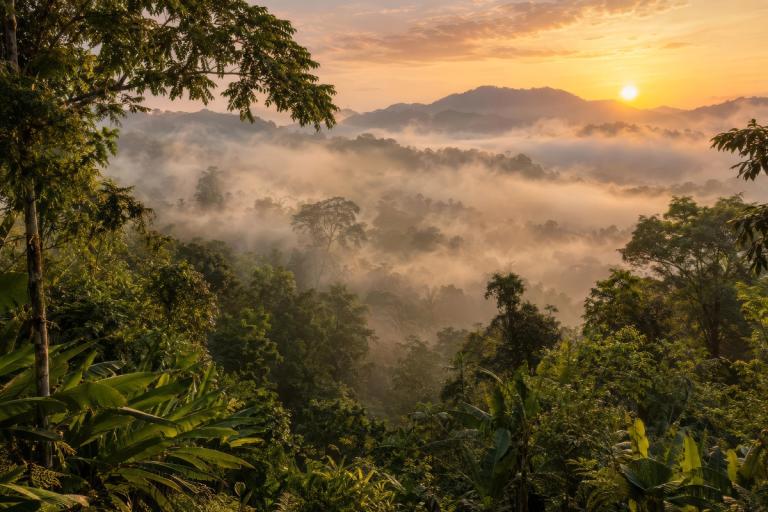
The best regions for an ethical elephant visit
Chiang Mai is the strongest region, Phuket and Koh Samui are the easy island choices, and Kanchanaburi suits a trip from Bangkok. Pick the region by where you already stay.
Chiang Mai. The northern hills hold the most sanctuaries and the longest programmes, from a morning to a week. Pair it with temples and Lanna food in the things to do in Chiang Mai guide.
Phuket. A half day fits between a beach morning and dinner, and the island's sanctuary is a short drive from most resorts. Our Phuket things to do page shows how to fill the rest of the week.
Koh Samui. Several small elephant camps sit inland, and short visits suit families with young children. Check each against our list, then plan the beach days with our Koh Samui things to do.
Kanchanaburi. Camps here sit west of Bangkok, in the hills near the River Kwai. We combine a visit with the Bridge over the River Kwai in one private day.
Elephant sanctuaries near Chiang Mai: the strongest choice
Chiang Mai gives you the best elephant day in Thailand, and Elephant Nature Park is the elephant sanctuary Chiang Mai is best known for. Book a full day if you can; the half day feels rushed.
The north also has more sanctuaries, longer programmes and calm river valleys. Elephant Nature Park runs programmes from a half-day visit to a one-week stay, its booking page shows.
The full-day options are where the north shines. You walk with the herds at their pace, watch them dust and graze, and eat lunch while they cross the river below.
Stay in the Mae Rim valley, at Four Seasons Resort Chiang Mai or one of the hill resorts in Mae Rim. You start the day already out of the city traffic.
Fly in rather than drive from Bangkok; our Bangkok to Chiang Mai guide compares the options. For the rest of your stay, read our Chiang Mai guide.
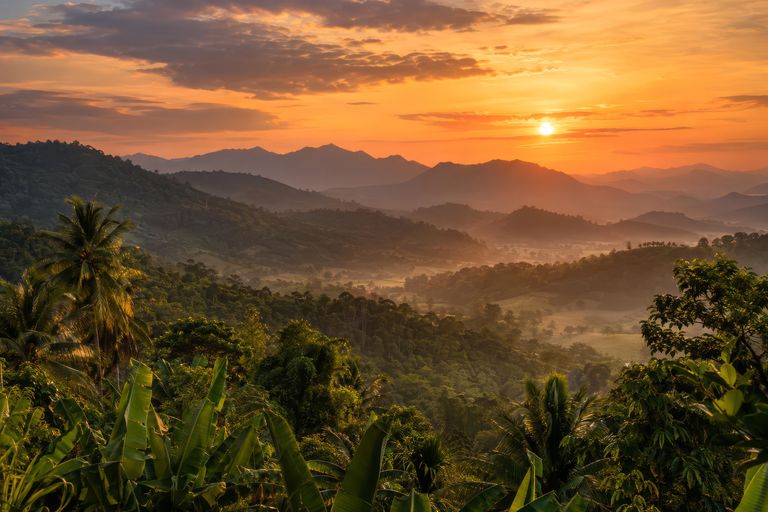
A private sanctuary visit, hour by hour
A private elephant sanctuary visit is a long, unhurried morning with your own car and your own pace. Here is an example plan of what we can arrange in Chiang Mai.
07:30. Your driver collects you at the hotel. Cold towels and coffee are in the car, and the city is still quiet.
09:00. You arrive before the main groups. A keeper gives a short safety talk and tells you the story of each elephant you will meet.
09:30. You help prepare fruit and walk out with the keepers. The elephants graze, dust themselves and wander down to the river.
12:00. Lunch is simple and vegetarian, served where you can still watch the herd. Nobody hurries you to the bus, because there is no bus.
14:00. Your car takes you back through the hills. A temple stop or a quiet spa afternoon at your hotel finishes the day.
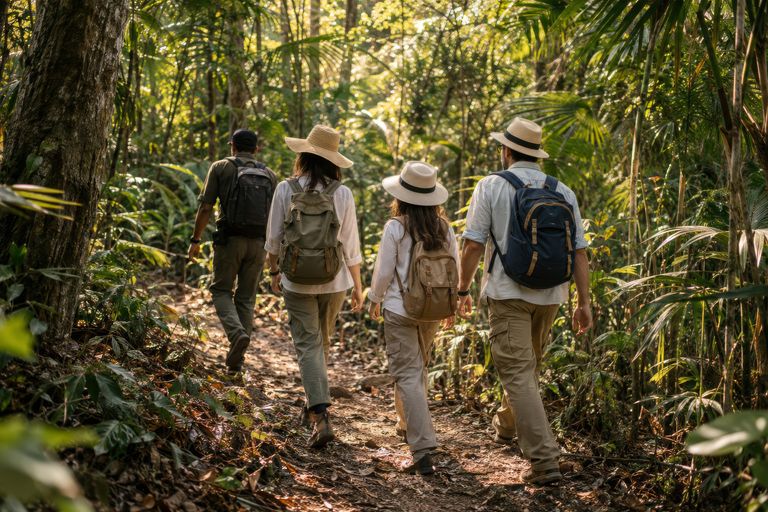
What to wear and bring
For an elephant sanctuary, wear light, long trousers, a shirt with sleeves and closed shoes. You walk on grass, mud and dirt paths in strong sun.
Bring a hat, sun cream, insect repellent and a full change of clothes. River crossings and mud are part of the day.
Leave perfume and bright, loose scarves at the hotel. Elephants notice strong smells and moving fabric.
Follow the keeper's word at all times. Do not walk behind an elephant, never use flash, and keep children close to you.
Drones are not suitable around elephants. The best photos are the quiet ones: a mother and calf by the water, or a trunk full of dust.
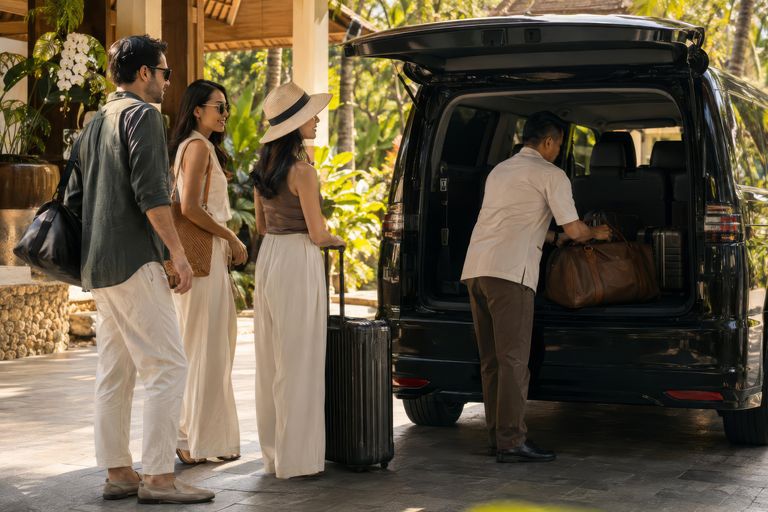
How to get there by private car
A private car is the best way to reach an elephant sanctuary in Thailand. You leave when you want, stop when you want and come home without waiting for other guests.
Most sanctuaries offer shared vans from the city. They collect at many hotels, so your morning starts with a long loop before the drive.
Our chauffeur service gives you a car and driver for the day. A luxury van with driver is from ฿6,500 for 10 hours, VAT included, for up to 4 people.
For a larger family, we send a van with driver, with cars matched to your plan. Landing in the north? Our Chiang Mai airport guide explains the arrival.
From Bangkok to Kanchanaburi, read our private car to Kanchanaburi guide. Our Kanchanaburi guide covers where to stay by the river.
When is the best time of year to visit?
November to February is the best time for an elephant visit in the north: cool mornings, clear skies and green hills. On the islands, the calm months differ by coast.
In Chiang Mai, the smoky season runs mainly from February to April. Pollution Control Department data show 53 days over Thailand's PM2.5 standard in the first five months of 2026.
On Koh Samui, November is the wettest month, with about 445 mm of rain, Thai Meteorological Department normals show (checked November 2026). February is the driest, with about 64 mm.
Phuket's high season runs from November to April. For month-by-month detail in the north, see our best time to visit Chiang Mai guide.
The best hour is the first one. Elephants are most active in the cool of the morning, and the paths are quiet before ten.
People also ask
These are the questions people ask most before they book an elephant visit. Each answer opens with the short version.
Which elephant sanctuary is the best in Thailand? For a full day, Elephant Nature Park near Chiang Mai. On the islands, Phuket Elephant Sanctuary, which offers observation-only visits.
How much does it cost to visit an elephant sanctuary? Each sanctuary sets its own ticket price and changes it often. We confirm the live price when we book, and your private car is from ฿6,500 for 10 hours.
How many elephant sanctuaries are there in Thailand? There is no official count, because the word is not regulated. That is why we keep our list short and checked.
Is the Surin Elephant Round Up a sanctuary? No. It is a yearly festival with elephant parades and shows, covered in our Surin Elephant Round Up guide.
Can you see wild elephants in Thailand? Yes, in some national parks, usually at dawn or dusk and from a distance. Our national parks guide names the best ones.
Insider tips only an elephant planner knows
The best visit is the earliest, the smallest and the longest you can fit. These are the moves we make for our own clients.
Book the first slot. Morning programmes see the elephants at their most active, and you leave before the midday heat.
Choose the full day. The half day spends a large share of its time on the road. A full day gives you the river hours.
Ask about the walk. Some programmes involve long, muddy walks. Tell us about knees, children or grandparents, and we choose the right one.
Skip the city booths. A ticket sold on the street rarely matches the website. Book through the sanctuary or through us, never a stranger.
Stay north of the city. A Mae Rim hotel cuts the drive and puts the hills outside your window.
Plan it with Tanner
Tell us your dates and your hotel, and Tanner builds the elephant day into the rest of your trip. One planner handles the car, the sanctuary, lunch and the evening.
VIP Luxury Services has planned trips in Thailand since 2008, for a couple or a family of three generations. A Thai team works in every main town and checks each camp.
We tell you honestly what is not worth it, including camps that only look ethical. See what else we arrange on our VIP concierge page. We get back to you right away.