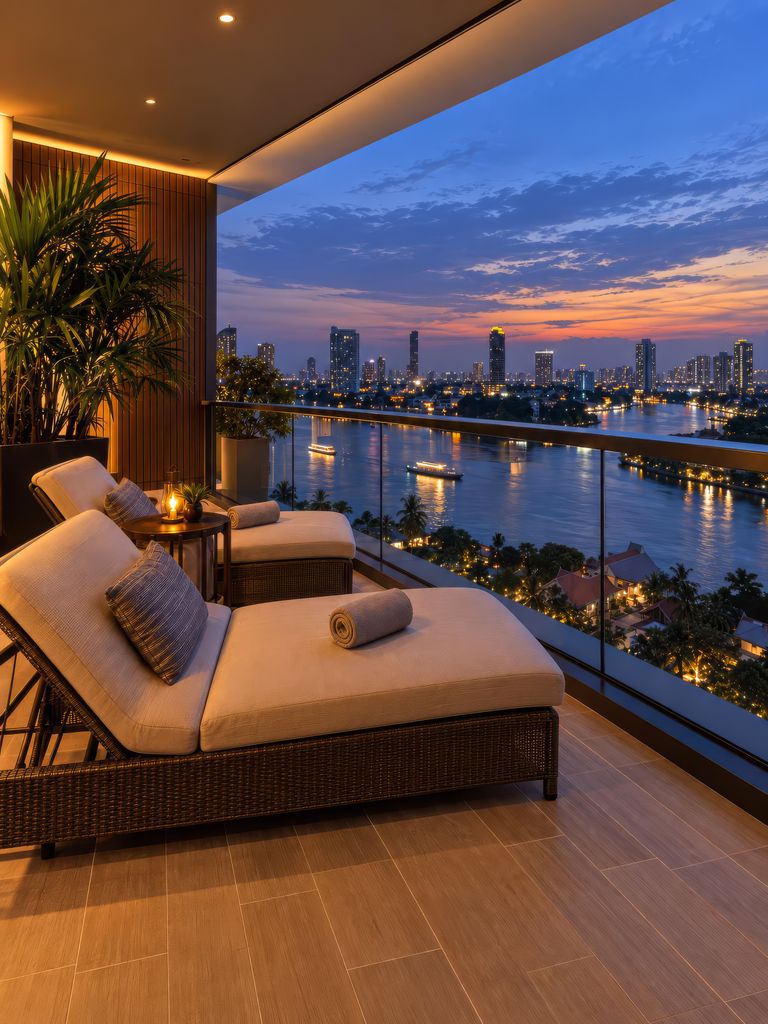
Can foreigners buy property in Koh Samui?
Yes, and the island's rules are Thailand's rules. A foreigner may own a condominium unit outright, if the building's foreign quota has room. A foreigner may not own land. Most Samui homes are villas with land, so most foreign buyers here lease the land and own the house.
You have found a sea-view villa on a Samui hillside, and the seller wants a deposit this week. Read this first.
That sets Samui apart from Bangkok, where buyers mostly choose condos. On the island the question is rarely whether you can buy. It is how the villa is structured. A licensed Thai lawyer who works only for you should check the structure before you pay anything.
Here is what the rules mean on Samui. For the full national picture, with every law and each step at the Land Office, see our guide to buying property in Thailand.
A home gives you no visa. If you plan long stays on the island, choose the visa route first, then the house. Wealthy buyers mostly pick the Long-Term Resident visa or Thailand Privilege.

Can foreigners own a condo on Koh Samui?
A condo is the only Samui home a foreigner can hold freehold in their own name. Section 19 bis of the Condominium Act caps foreign ownership at 49% of the unit floor area in each building. The money must arrive from abroad in foreign currency, and the receiving bank gives you proof of it.
Samui has far fewer condo buildings than Bangkok or Phuket, and many are low-rise resort projects, not towers. That means fewer foreign-quota units, so the quota letter from the building's juristic person matters even more. Get it before you pay a deposit.
A resort condo suits a buyer who wants a lock-and-leave home with a pool, a gym and staff on site. Read the building's rules on short lets and the yearly common fees before you commit.

How do foreigners buy a villa on Koh Samui?
For a Samui villa, the standard structure is a land lease plus ownership of the house. The Civil and Commercial Code allows a lease of up to 30 years per term. The Department of Lands will not register a longer one. You own the villa building itself, separately from the land.
Register the lease at the Land Office, so it appears on the title deed. Sellers often add options to renew for a second and third term. Those are contract terms only; the law does not promise them. Value the villa on the 30 years you can register.
On a hillside plot, have your lawyer check four things. The land title type, the legal access road, the building permit, and any limits on building on steep slopes. A villa with a beautiful view and no legal road is hard to live in and harder to sell.

What should foreign buyers avoid on Samui?
Refuse any offer to put the land in a Thai company where Thai shareholders hold shares for you. Under section 36 of the Foreign Business Act, acting as a foreigner's nominee shareholder is a crime, and so is allowing it. The penalty is up to 3 years in prison, a fine of ฿100,000 to ฿1,000,000, or both.
Do not pay extra for lease years you cannot register, and do not sign a contract you cannot read. Use your own independent lawyer, never the seller's. This is general information, not legal advice.
Take care with a sale before the paperwork exists. On a new villa project, check the land title, the building permit and the lease to you. All three must be in place before the main payments. Pay in stages that match real progress on site, not dates on a calendar.
What fees and taxes do you pay when you buy?
The Department of Lands charges a 2% transfer fee on the official appraised value when a condo or land changes hands. The seller normally carries the sale taxes. Those are specific business tax of 3.3% within 5 years of buying, or stamp duty of 0.5% instead, plus withholding income tax. Registering a lease has its own fee.
The sale contract sets who pays each charge, so read that clause closely. Add your lawyer's fee and the bank's charges on the transfer from abroad.
On an island, running costs matter as much. A villa needs a gardener, pool care, a housekeeper and repairs after each rainy season. Ask the seller for a year of real bills before you agree the price.
Is Koh Samui a good place to buy property?
It can suit a holiday home, if you buy for the life and not for a quick profit. Samui has its own airport, run by Bangkok Airways, and Bangkok Hospital Samui in Chaweng. The sea-view hillsides and quiet bays are why most buyers come.
Know the weather before you pick a plot. Thai Meteorological Department figures for Samui show November as the wettest month, with heavy rain from October to December. February to April is the driest stretch. Visit in the rain as well as the sun, and see how the road and the drainage cope.
Spend a few weeks on the island first, in a rented villa near the area you like. Our Koh Samui guide covers the beaches and areas. If you are also looking at the Andaman side, compare with property in Phuket.

Plan it with Tanner
Tanner, your planner, books the Samui viewing trip for you. On request, we introduce a Samui agent we trust and a lawyer of your own. We book a villa for your stay, with a car and driver. Our relocation services help with the rest of the move.
Allow three or four days on the island. Tell us the area, the size of home and the budget, and the agent has your brief before you fly. Your lawyer sets out the next legal steps in writing. We get back to you right away.