Is Thailand known for Muay Thai?
You want one night in Bangkok that feels truly Thai. Book ringside. Yes, Thailand is known for Muay Thai. It is the country's own martial art, often called the art of eight limbs because fighters use fists, elbows, knees and shins. The Ministry of Culture registered it as national intangible cultural heritage on 30 July 2010. The government's portal calls it Thailand's national sport.
Thailand has also asked UNESCO to list Muay Thai as intangible cultural heritage. The Cabinet approved the nomination on 26 March 2024, and the file is still waiting for a decision. So Muay Thai is not yet a UNESCO listing, whatever some websites say.
For Thai people, Muay Thai is more than a sport. It carries history, music and ritual, and young fighters train for years in camps across the country. Watching a fight, or learning the basics, is a way to understand a side of Thailand few visitors see.
Where to watch: Rajadamnern and Lumpinee
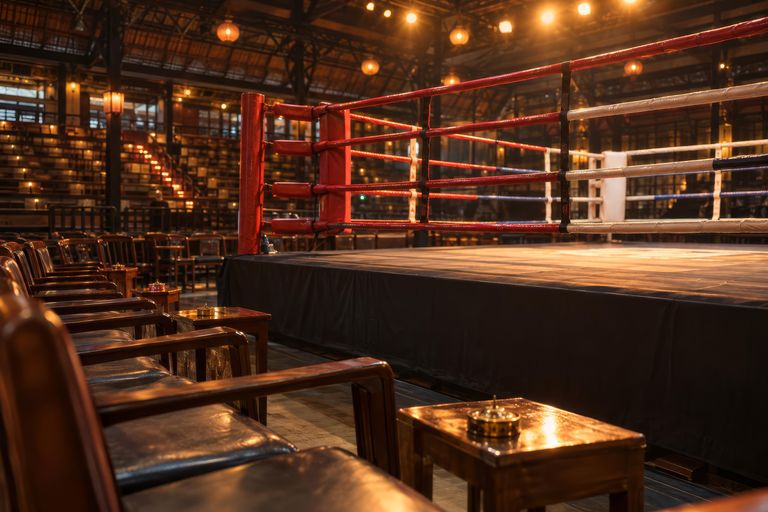
Bangkok's two great stadiums, Rajadamnern and Lumpinee, are the best places to watch Muay Thai. Both hold regular fight nights with Thailand's top fighters. Ringside seats put you close to the fighters; upper tiers are louder and further from the ring. Fight nights and ticket prices change, so we check the schedule for your dates.
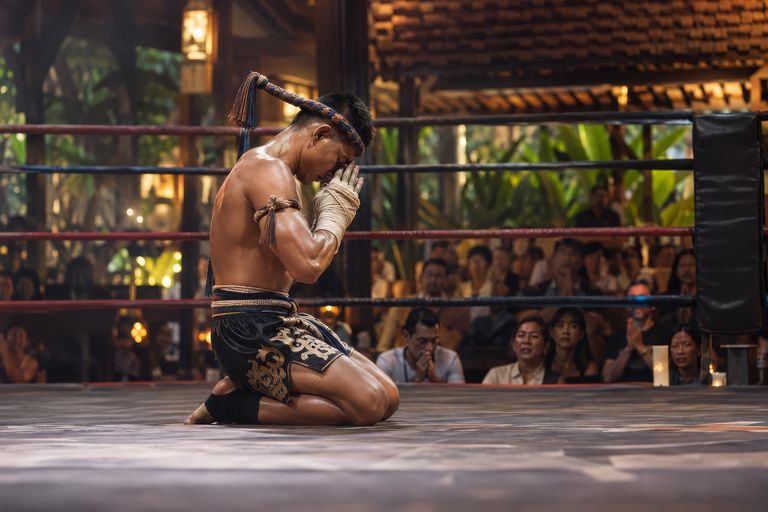
A good fight night starts before the first bout. Each fighter performs the wai khru ram muay, a slow ritual dance to honour his teacher, while a small band plays traditional music. The music speeds up as the rounds go on, and the crowd follows every move.
Ringside is the best choice for a first visit. You see the technique clearly and feel the energy of the hall. We arrange your tickets and a host who explains the rules and the rituals as the night goes on.
Dress is casual but neat: trousers and a shirt are fine. After the fights, we book a late dinner or a rooftop bar nearby. Our Bangkok guide covers where to stay and eat.
Outside Bangkok, Phuket and Koh Samui also hold regular fight nights in smaller local stadiums. The level is lower than in Bangkok, but the atmosphere is friendly and the evenings are easy to fit around a beach holiday.
Private lessons: at the gym, your hotel or your villa
Private lessons are the best way to try Muay Thai. A trainer, often a former professional fighter, teaches you one to one at a training camp, in your hotel gym or by your villa pool. A session usually starts with a warm-up and stretching, then pads, kicks and simple combinations, and ends with a cool-down.
You do not need to be fit or experienced. A good trainer adjusts every session to your level, your age and your goals. Those goals may be fitness, weight loss or simply the joy of learning. No sparring is needed unless you ask for it.
Thailand has many well-known training camps, from the outskirts of Bangkok to Chalong in Phuket and the beaches of Koh Samui. We choose the camp or trainer for you, check the facilities and book the sessions. Our Phuket guide covers the island's quieter areas for a training stay.
What should you bring? Light sports clothes, a towel, water and a change of shirt. Your trainer brings pads and gloves, and often hand wraps. Train early in the morning or late in the afternoon, when the heat is lower, and drink plenty of water.
How much does it cost to learn Muay Thai in Thailand?
The cost depends on where you train, who teaches you and how often. A private trainer who comes to your hotel or villa costs more than a group class, and the hour runs on your terms. We have not found reliable published rates to quote, so Tanner gives you a clear price for your plan before you book.
Our verdict: a short course of private sessions is the best value. You learn faster, train at the times you choose and avoid crowded classes.

Is 27 (or 50) too old for Muay Thai?
No. You can start Muay Thai at any age if you are healthy, including in your thirties, forties or fifties. Fitness sessions focus on technique, pads and conditioning, with no fighting. Tell your trainer about any injuries, and check with your doctor first if you have a heart or joint condition.
Children and teenagers can learn too. Many camps run classes for young people, and a private trainer can make a session fun and safe for the whole family.

Is Muay Thai an aggressive style?
In the ring, it is a powerful, full-contact sport. But Muay Thai is built on respect. Fighters bow to the ring, honour their teachers with the wai khru ritual, and often embrace after the final bell. In training, the focus is on discipline, balance and control, not on aggression.
Training camps are calmer and friendlier than you expect. Trainers are patient, and the atmosphere is serious but warm.
Training stays and the DTV visa
For a longer training stay, the Destination Thailand Visa, or DTV, covers Thai soft-power activities, including Muay Thai, the Ministry of Foreign Affairs says. It is a 5-year multiple-entry visa with stays of up to 180 days per entry. Applicants need ฿500,000 in the bank over the last 3 months, or a sponsor letter, and the fee is ฿10,000.
Our DTV visa guide explains who qualifies and how to apply. Fees at embassies abroad are charged in local currency and may differ.
Plan it with Tanner
Example plan, five days in Phuket. Each morning a trainer meets you at your villa before the heat. Afternoons are for massage and the pool, and meals are light and healthy. On the last night, a host takes you ringside at a local stadium. Tanner can also plan a ringside night in Bangkok, with a host, a private dinner and good seats. Tell him your dates, your level and your goals.
Muay Thai is also a popular part of a group trip. See our men's getaway ideas and our Bangkok bachelor party guide for how we build it into a celebration.
Our VIP concierge service shows everything else we arrange, from cars and villas to dinners and spa days. Your Muay Thai experience then fits into the rest of your trip. One planner handles it, for one fighter or twenty. Our Thai staff check the camps, so we know which ones deserve your time.