0 of 18 ready
Documents and money
Your bags are open on the bed, and the flight leaves tomorrow night. Start with the papers, because nothing else matters if they are wrong. Your passport must be valid for at least 6 months on the day you enter, per Thai embassies. You also complete the Thailand Digital Arrival Card online within 3 days before you arrive. It is free, and it is not a visa.
- Passport: valid 6 months or more on arrival, with blank pages for stamps.
- Thailand Digital Arrival Card (TDAC): completed on tdac.immigration.go.th within 3 days before arrival. The arrival day counts.
- Visa, if you need one: you may be able to enter on the 30-day visa exemption, which is for tourism only.
- Onward ticket: a confirmed return or onward flight may be asked for at immigration.
- Proof of funds: officers may ask visa-exempt visitors to show ฿10,000 per person or ฿20,000 per family, per Thailand.go.th.
- Cards and some cash: two cards from different banks, and enough baht for the first day.
- Insurance details: policy number and the insurer's emergency line, saved on your phone and on paper.
Beware of look-alike sites that charge for the arrival card. The only official site is tdac.immigration.go.th, run by the Immigration Bureau. If you forget, airport kiosks and Wi-Fi at Suvarnabhumi, Don Mueang, Phuket, Chiang Mai and Hat Yai let you file on arrival. Our arrival card guide walks you through each field.
Is it mandatory to carry ฿10,000? No. The funds rule says officers may ask, and it is not checked for everyone. A card and a recent bank statement on your phone are useful back-ups if you are.
Planning to shop? Keep a folder for receipts. The Revenue Department's tourist VAT refund applies to purchases of at least ฿2,000 per shop per day. The shop must show the VAT Refund for Tourists sign. The goods must leave Thailand with you within 60 days, and you claim at an international airport before check-in.
Carry your passport, or a copy of the photo page and your entry stamp, when you go out. Thai law expects foreigners to carry identification, and the fine for not doing so is up to ฿2,000 (Samut Prakan Immigration). Clubs and bars check ID for the legal drinking age of 20, so the original passport is best at night.
Keep scans of everything in a secure cloud folder. If a passport is lost, your embassy can work much faster with a copy.
Travelling with children? Bring each child's own passport. The paper most families forget is a signed letter of consent when a child travels with only one parent. It is worth carrying in case you are asked, and it saves time at the desk.
Planning to drive yourself? Bring an International Driving Permit under the 1949 Geneva Convention with your home licence. Thailand.go.th lists it, or a licence from another ASEAN country, as what foreign drivers need. Do not rely on a 1968 Vienna permit.
Clothes for the day
Pack light, breathable clothes for the heat and humidity: linen, cotton and fabrics that dry fast. Add one light layer for strong air-conditioning in malls, cars and planes. Comfortable walking shoes and good sandals cover most days. In cities and on beaches, shorts are fine for women and men.
- Shirts and tops: 4 to 6 in linen or cotton, in light colours.
- Trousers or skirts: 2 to 3 light pairs, at least one that covers the knees.
- Shorts: 2 to 3 pairs for the beach, the pool and casual days.
- A light layer: a cardigan, a linen shirt or a thin jacket for cold rooms.
- Shoes: one pair of comfortable walking shoes, one pair of sandals or loafers.
- Hat and sunglasses: the sun is strong, even on cloudy days.
Can women wear shorts in Thailand? Yes, in cities, malls, resorts and on the beach. Thai people dress modestly in daily life, so very short shorts and beachwear belong at the beach. For temples and the Grand Palace, cover your knees and shoulders, as the next section explains.
Choose colours that hide sweat and dust, such as white, navy, olive and soft patterns. Leave heavy denim at home; it is hot and slow to dry. Most hotels offer same-day laundry, so you can pack less than you think.
Think about the day you have planned. A city day with temples, lunch and shopping needs one modest outfit that also looks smart. A beach day needs swimwear and a cover-up. A day in the north, or on a boat at speed, needs the light layer.
Bring clothes you are happy to wear in the rain too. Short, heavy showers are common in the rainy season, and they pass quickly. Quick-dry fabrics are better than cotton on those days.
How much should you pack? For a week, the list above is enough. For two weeks, add two tops and one pair of shorts, and use the hotel laundry once. Packing cubes keep day clothes, evening wear and swimwear apart, which makes changing between a city and a beach hotel easy.
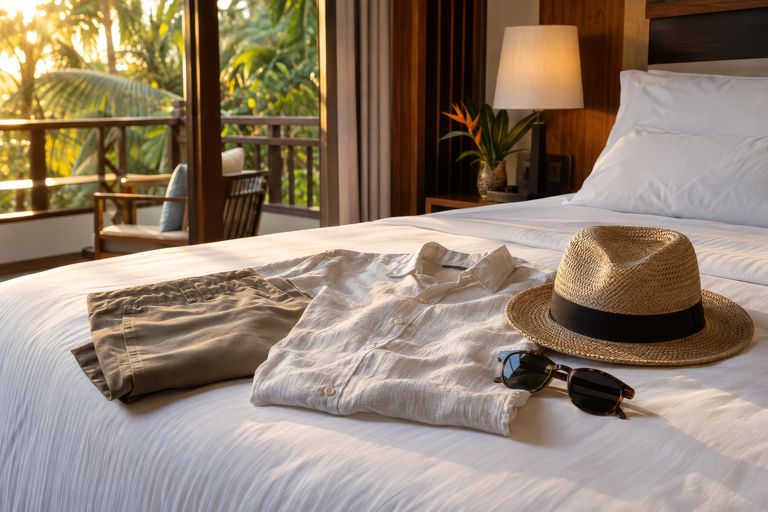
What to wear at temples and the Grand Palace
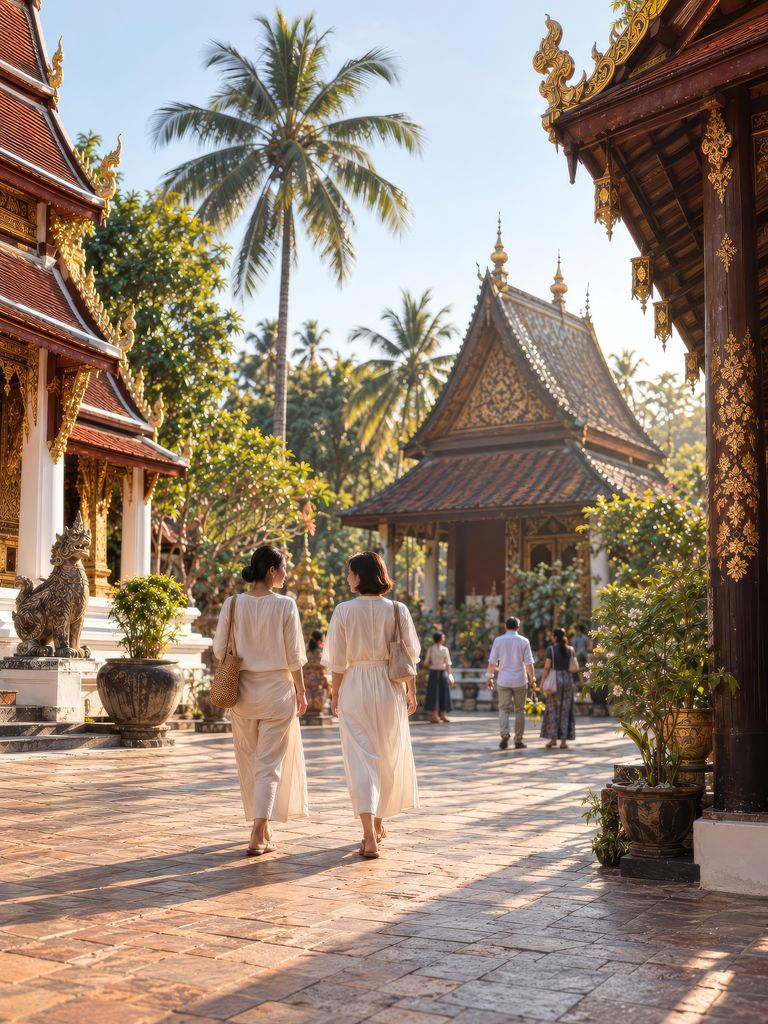
At temples, cover your shoulders and knees. The Thai government's visitor guide asks for covered shoulders and trousers or knee-length skirts, with no sleeveless, crop or tight tops. You take your shoes off before entering temple buildings. The Grand Palace applies its own, stricter code at the gate.
- Top: a shirt or blouse with sleeves; no vests, crop tops or see-through fabric.
- Bottom: long trousers or a skirt below the knee; no shorts or short skirts.
- Shoes: easy to slip off, because you remove them at each building.
- A scarf or wrap: useful to cover shoulders quickly if needed.
For the Grand Palace, plan to dress at the stricter end. Long trousers for men and a long skirt or trousers for women are the safe choice. The Bureau of the Royal Household lists visiting hours of 08:30 to 15:30. The foreign visitor ticket is ฿500, which includes Wat Phra Kaew and the Queen Sirikit Museum of Textiles. Photos are not allowed inside the Phra Ubosot.
Respect goes beyond clothes. Do not point your feet at a Buddha image or a monk, and women should not touch a monk. Speak quietly inside the buildings. Insulting the monarchy is a serious crime in Thailand, and that includes posts online.
In Chiang Rai, Wat Rong Khun, the White Temple, follows the same modest rules. The temple announced a ฿200 fee for foreign visitors from 1 January 2026, which includes the Cave of Art. Visitors aged 70 or over and children under 120 cm enter free.
Our temple dress code guide covers the main temples in Bangkok, Chiang Mai and Chiang Rai.
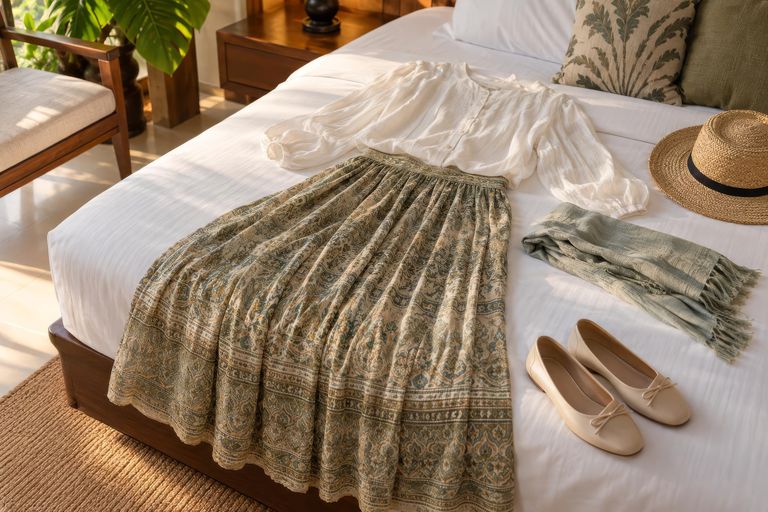
Evening wear: rooftops, fine dining and clubs
Evenings in Bangkok and the resort towns are smart casual or smarter. Many rooftop bars and fine-dining rooms publish a dress code, and they apply it at the door. The lebua hotel group, home of Sky Bar, asks men for collared shirts and long trousers, with no T-shirts, sleeveless tops, shorts or caps.
- For men: collared shirts, two pairs of smart trousers, a light jacket for tasting menus, and closed shoes.
- For women: one or two dresses or smart trousers with a top, a light wrap for air-conditioning, and shoes you can stand in.
- For clubs: the same smart look, with comfortable shoes. Sports wear and flip-flops are often refused.
lebua's own guidance says smart casual for most of its venues and smart elegant for Mezzaluna, its fine-dining room. It does not allow athletic wear, flip-flops or swimwear. Other top rooftops and restaurants follow similar rules, so pack for the strictest one on your plan.
Do you need a jacket for Bangkok rooftop bars? Usually not. A collared shirt, long trousers and closed shoes meet most codes. A light jacket helps for the most formal dining rooms and for cold air-conditioning, but rooftops are warm in the evening.
Tasting menus at the top restaurants are long, so choose clothes that stay comfortable for three hours. Book ahead and ask about the dress code when you book, or let us ask for you.
On a night out, carry your passport. Clubs check that guests are 20 or over, the legal age to buy alcohol, and they may ask for the original. Closing times depend on the city and the licence, so ask your host before you plan a late night.
Shoes matter more than people expect. Men should pack one pair of smart leather shoes or loafers, because sandals are refused at many dining rooms. Women may prefer block heels or flats on rooftops, where floors can be smooth and the evening breeze is strong.
Modest dress works well here. Long, light dresses, abayas in fine fabrics and loose trousers suit rooftops, restaurants and temples alike. Thailand's top venues welcome modest fashion, and it suits the climate.
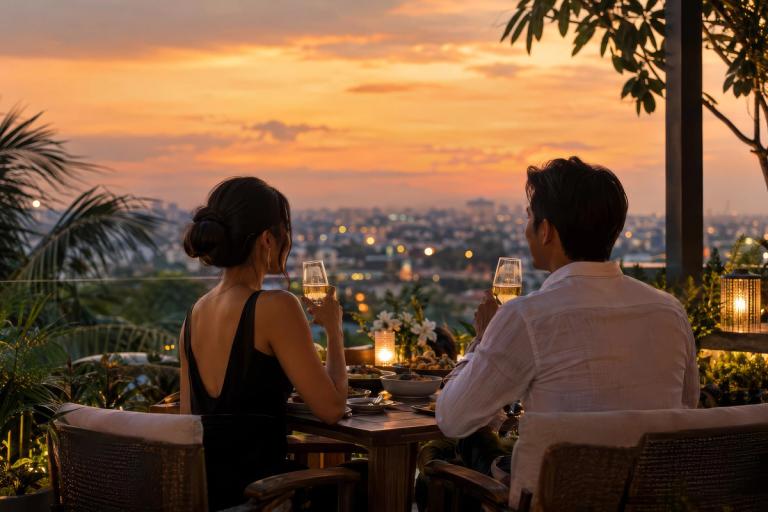
Beach, yacht and spa days
For the sea, pack two or three swimsuits, a cover-up, a hat and reef-safe sun cream. The Department of National Parks bans sun cream with oxybenzone, octinoxate, 4-MBC or butylparaben in all national parks. The ban covers bringing it and using it. The fine is up to ฿100,000. Many island trips enter a national park.
- Swimwear: two or three sets, so one is always dry.
- Cover-up: a kaftan, a shirt or a sarong for lunch and the walk to the room.
- Reef-safe sun cream: check the label for the four banned ingredients.
- Sunglasses with a strap: useful on a fast boat.
- Deck shoes or bare feet: many yachts ask guests to go barefoot on deck. Pack soft-soled shoes if you prefer.
- A dry bag: for your phone, passport copy and cards on the boat.
On a yacht day, add a light long-sleeve top for the sun, and a warm layer for the ride home at dusk. Tell us about seasickness in advance, and take any tablet before you board.
Travelling with children? Add rash vests for the sun, swim nappies for babies, and a light hat with a neck flap. Most resorts lend pool toys and life jackets, but bring your own if your child prefers a familiar fit.
Spa days need little. Resorts provide robes, slippers and towels. Bring a hair tie and arrive a little early, so you can relax before the treatment. Remove jewellery and leave it in the room safe.
Resort dinners are usually relaxed but smart. A linen shirt with long trousers, or a summer dress, fits almost every beach restaurant. Keep one smarter outfit for a special dinner, a yacht sunset or a fine-dining night in Phuket.
Tech and power
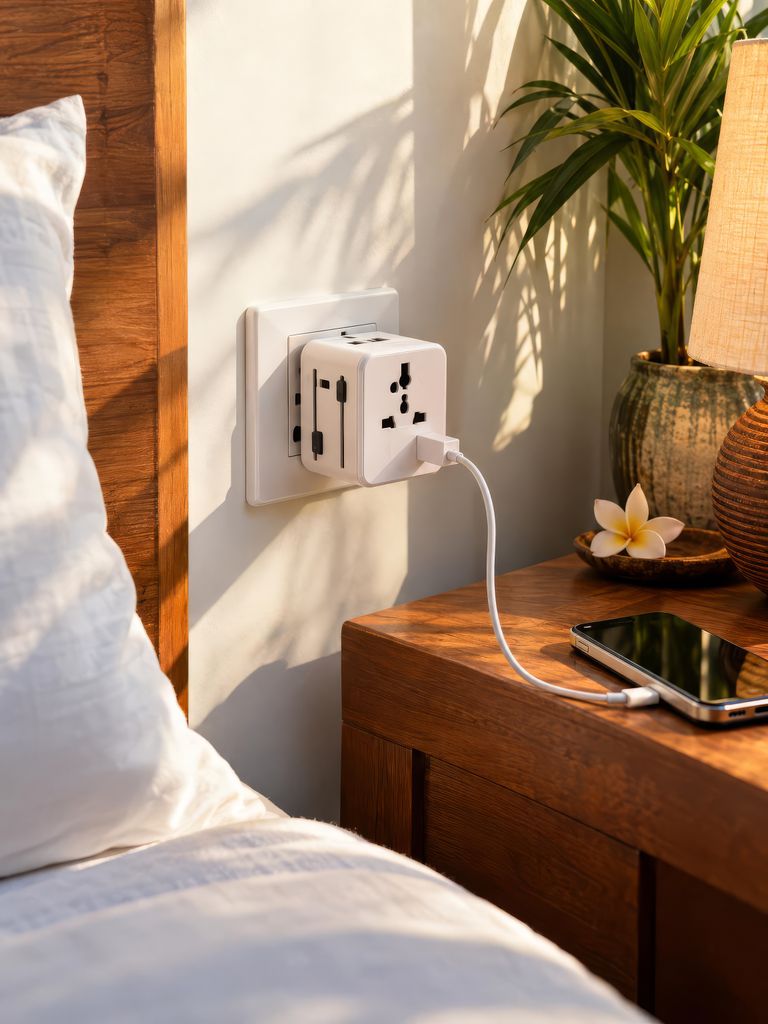
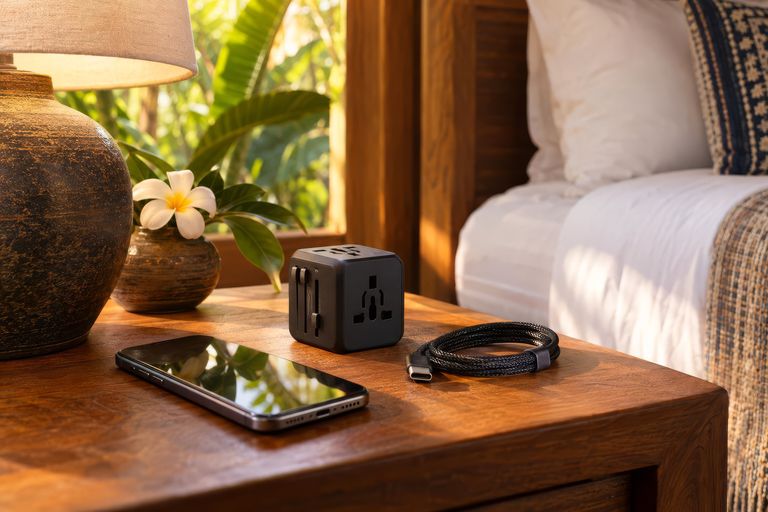
Thailand runs on 220 volts at 50 hertz. Sockets take plug types A, B, C, F and O, and type O is the Thai standard, per the Thai government. A universal adapter covers all of them. Check that your chargers say 100-240 V; most phone and laptop chargers do.
- Universal adapter: one per person, or one with several USB ports.
- Chargers and cables: for phone, watch, laptop and earbuds.
- Power bank: in your hand luggage, never in checked bags. Check your airline's rules for size.
- Hair tools: check they work on 220 V, or use the hotel's.
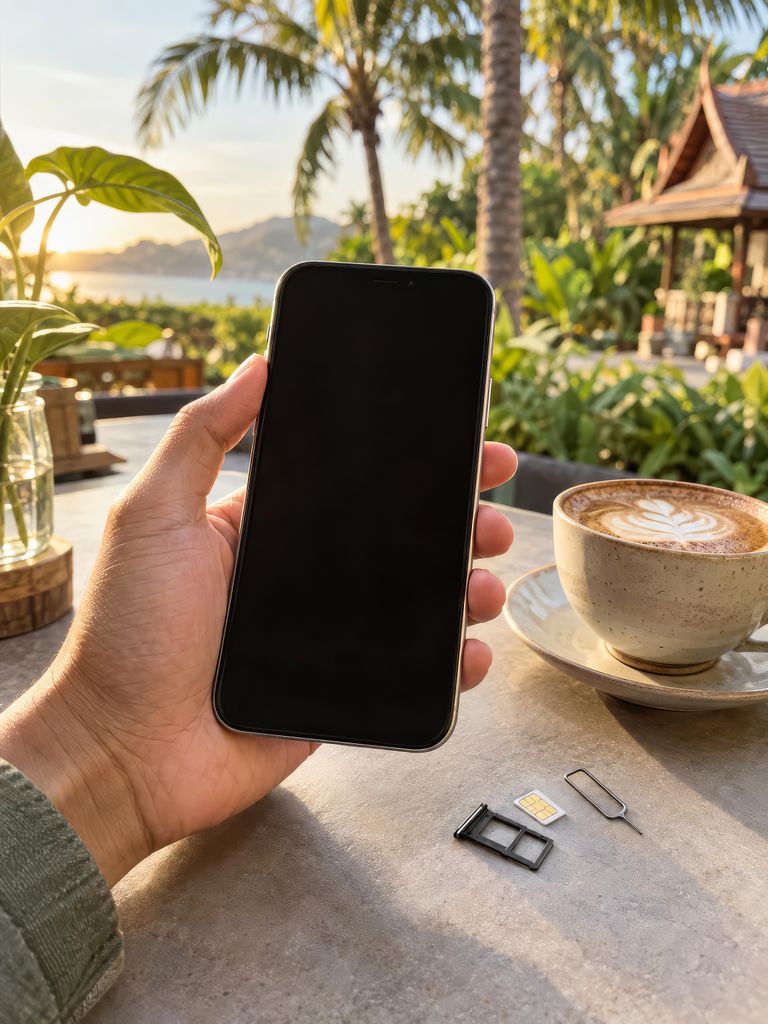
For mobile data, buy a tourist SIM or eSIM. AIS, True and dtac sell tourist SIMs at counters in the main airports, and you register with your passport. The dtac brand also sells a tourist eSIM, so you can set it up before you land. See our plugs and power guide for photos of each socket type.
Download a few apps before you fly. Grab and Bolt work in the main cities for food delivery and short hops. For days out, a car with a driver is the better plan. Offline maps help on islands with weak signal. Thailand is on UTC+7 all year, with no daylight saving, so set your phone to update the time automatically.
Planning to fly a drone? Register it first. The Thai government says drones need registration with both the NBTC and the Civil Aviation Authority of Thailand. You also need third-party insurance of at least ฿1,000,000. Flying within 9 km of an airport is not allowed, and national parks need their own permission.
Pack for the long flight too: noise-cancelling headphones, an eye mask and a pen for any forms. If you bring a good camera, add a spare battery and a dust-proof bag for boat days and temple courtyards.
Health and toiletries
Bring your prescription medicines in their original packs, with a copy of the prescription or a doctor's letter. Thailand's Food and Drug Administration lets you carry up to 30 days' supply of ordinary medicines. Some medicines are controlled, and for those the rules are stricter, so check before you pack.
Medicines with psychotropic substances in the Thai schedules 2, 3 and 4 may be carried for up to 30 days. You need a medical certificate, per the Thai FDA. For 31 to 90 days, you need the FDA's permission first. Medicines with narcotic drugs also need a permit. The FDA runs an online permit system for visitors.
- Prescription medicines: in original packs, with the prescription and generic names.
- A small first-aid kit: plasters, painkillers, rehydration salts and stomach tablets.
- Insect repellent: for dawn and dusk, and for forest trips.
- Sun cream and after-sun: reef-safe for any island or park day.
- Your usual skincare: brands vary, so bring what you rely on.
Heat is a common health problem for visitors. Drink water through the day, rest in the shade at midday, and plan temple visits and walks for the early morning or late afternoon. A small cooling towel and electrolyte sachets earn their place in the bag.
Wear glasses or contact lenses? Bring a spare pair and enough solution for the trip. If you get seasick, pack your usual tablets for boat days, and take them before you board.
Most international brands are easy to buy in Bangkok and the resort towns, so you do not need a large supply of basics. Pharmacies are everywhere, and a good hotel concierge finds most things the same day.
Drink bottled or filtered water outside greater Bangkok. In Bangkok, the Metropolitan Waterworks Authority says its tap water is safe, but building pipes can spoil it, so stick to bottled water.
Save the emergency numbers before you need them. Call 1669 for an ambulance, 191 for police and 1155 for the English-speaking tourist police, per the Thai government. Keep them on paper with your insurance details, in case your phone battery runs out.
What not to bring to Thailand
Some everyday items are illegal or restricted in Thailand. Vapes and e-cigarettes are banned. Importing them can bring up to 10 years in prison or a fine, and devices are seized, per Thailand.go.th. Cannabis may not be taken into or out of Thailand. Drones need registration, and large sums of cash must be declared.
- Vapes and e-cigarettes: illegal to import since 2014. Holding smuggled vapes can bring up to 5 years in prison or a fine of four times their value.
- Cannabis: taking any part of the plant, or seeds, into or out of Thailand is not permitted (Ministry of Public Health).
- Drones without registration: register with the NBTC and CAAT before you fly.
- Large cash: declare foreign cash above USD 15,000 when you arrive (Bank of Thailand).
- Controlled medicines over the limit: more than 30 days' supply needs a Thai FDA permit.
Cannabis is sold legally in Thailand only by licensed shops, and only with a prescription, under rules in force since June 2025. Even so, buying it here does not make it legal to take home, and it is illegal in many home countries. Leave it behind.
When you leave, the same care applies. Baht in cash above ฿50,000 may not leave Thailand for most countries, per the Bank of Thailand. Buy any jewellery or watches over ฿10,000 from shops that offer the tourist VAT refund, and show them at the airport if asked. Read our laws for visitors guide for the full list.
What is the 5-4-3-2-1 packing rule?
The 5-4-3-2-1 rule is a simple way to pack light. It means 5 tops, 4 bottoms, 3 pairs of shoes, 2 swimsuits and 1 hat. It is a general guide, not an official one. For a 7-night luxury trip to Thailand, it works well with two changes: add smart evening wear and one temple outfit.
Our version for 7 nights: 5 light tops and 4 bottoms, including one pair of long trousers or a long skirt. Add 3 pairs of shoes (walking, sandals, smart evening), 2 swimsuits, 1 hat. Add 2 evening outfits and 1 light layer. With hotel laundry, that covers two weeks.
For 14 nights, use the same rule twice over: wear each outfit twice and send one load to the hotel laundry midway. Everything still fits in one large suitcase and a carry-on, even with evening wear for a city and a beach. Pack the temple outfit at the top of your carry-on. If a checked bag is delayed, you can still visit the Grand Palace.
Packing for the season and region
Thailand's weather changes by region and month, so pack for where you go. On the Andaman coast, Phuket is wettest from May to October. In the Gulf, Koh Samui is wettest from October to December. In the north, the cool, dry season from November to January brings cool mornings in the hills.
- Rainy season: a light rain jacket or a small umbrella, and quick-dry shoes.
- The north in December and January: a warm layer for early mornings in Chiang Mai and the hills.
- Haze months in the north: Chiang Mai's smoky season runs mainly from February to April, per the Chiang Mai Provincial Office. Pack a few good face masks if you travel then.
- The hot season: from mid-February to mid-May, per the Thai Meteorological Department. Pack the lightest clothes you own.
Bangkok has its own rainy season. The Thai Meteorological Department's normals show September as Bangkok's wettest month, with about 326 mm of rain, and November much drier. A compact umbrella is the most useful item for a city stay from June to October.
Travelling at Songkran? The Bank of Thailand lists the Songkran public holidays as 13 to 15 April 2027, and the water festival is celebrated across the country. Pack a waterproof pouch for your phone, quick-dry clothes and shoes you do not mind getting wet.
Plan around the Buddhist holy days too. On five Buddhist days a year, alcohol sales stop in most places, with exceptions such as hotels and licensed venues. It does not change what you pack, but it may change your plans for the evening.
A trip that covers both coasts and the north needs a little of everything. Pack in layers and send the rest to the hotel laundry.

Keep the list with you
Want the full list in one place? Save this page on your phone and tick each section off as you pack. Use it again for the trip home. More planning help is in our plan your trip hub.
Share the link with everyone in your group before you pack, so nobody arrives without a temple outfit.
Let Tanner handle the rest
Forgot something? Tanner, your planner, takes it off your hands. Our team arranges hotel laundry, a Bangkok tailor for a suit or dress in days, and anything you left at home delivered to your hotel. Tell us your dates and plans, and our VIP concierge team will have the right clothes and kit waiting.
Arriving with a tight connection or a big wardrobe? We can have a driver collect extra luggage, store bags between hotels, and send evening wear ahead to your next stop.
Documents
Money
Easy to forget
Do not bring
0 of 18 ready