What is a longevity clinic?
You travel hard, you work long days, and you want to know what your body is doing before it tells you. A longevity clinic offers a programme of screening, diagnostics, nutrition and coaching aimed at a longer, healthier life. Some add IV drips, hormone therapy or cell treatments. Longevity clinics in Thailand range from hospital check-up centres to private wellness clinics and residential retreats.
The well-established parts are the plain ones: blood tests, heart and cancer screening, imaging, sleep, diet, exercise and stress. Newer treatments sell hope as well as science. Ask your own doctor which tests make sense for you before you travel.
Hotels have joined in too. The St. Regis Bangkok, for example, describes its wellness offer as a Longevity and Biohacking Hub, according to Marriott.

Hospital wellness centres vs medical retreats
There are two main routes. A hospital wellness centre is best for detailed screening with specialists on hand. A medical retreat is best for a longer reset: sleep, food, movement and treatments in a calm setting. Our pick is to combine both: tests in Bangkok, then a retreat afterwards.
Hospitals. Bumrungrad International and Samitivej Sukhumvit are both on the Joint Commission International list; JCI shows Bumrungrad accredited since 2002 and Samitivej since 2007. Bumrungrad's Health Check-Up Center offers Biological Age Testing, and Samitivej Sukhumvit runs an In-depth Longevity & Brain Health Check-up Program. BNH and Vejthani in Bangkok are on the JCI list too. Outside Bangkok, Bangkok Hospital Phuket, Bangkok Hospital Siriroj, Bangkok Hospital Chiang Mai, Chiangmai Ram and Bangkok Hospital Pattaya are listed.
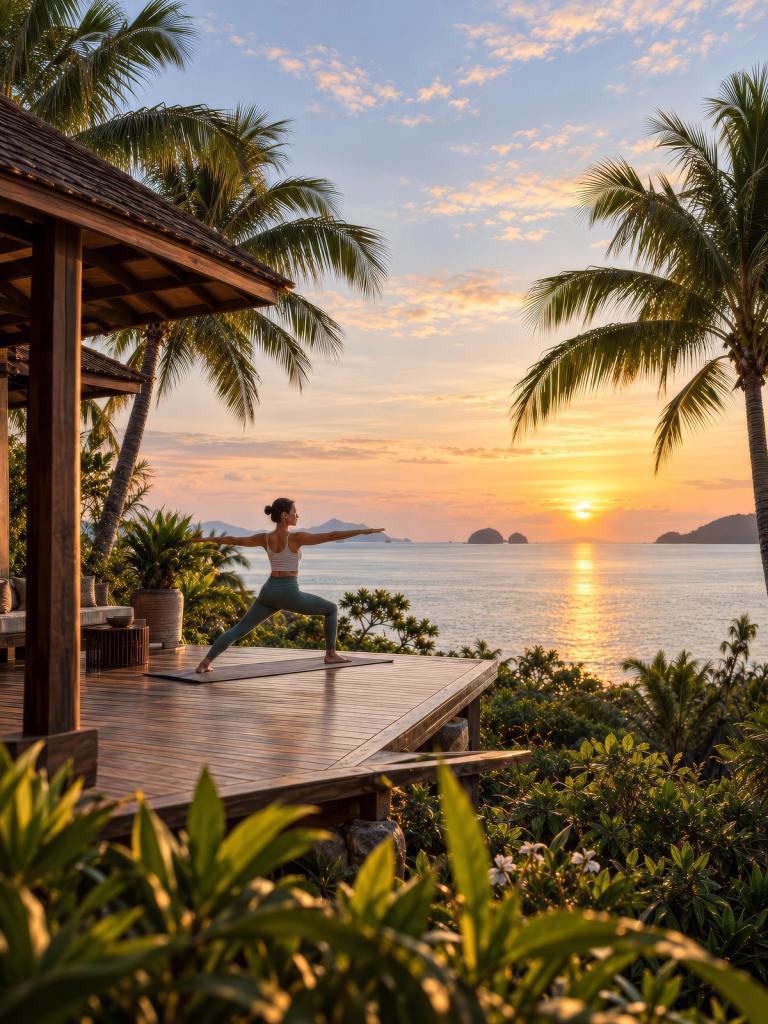
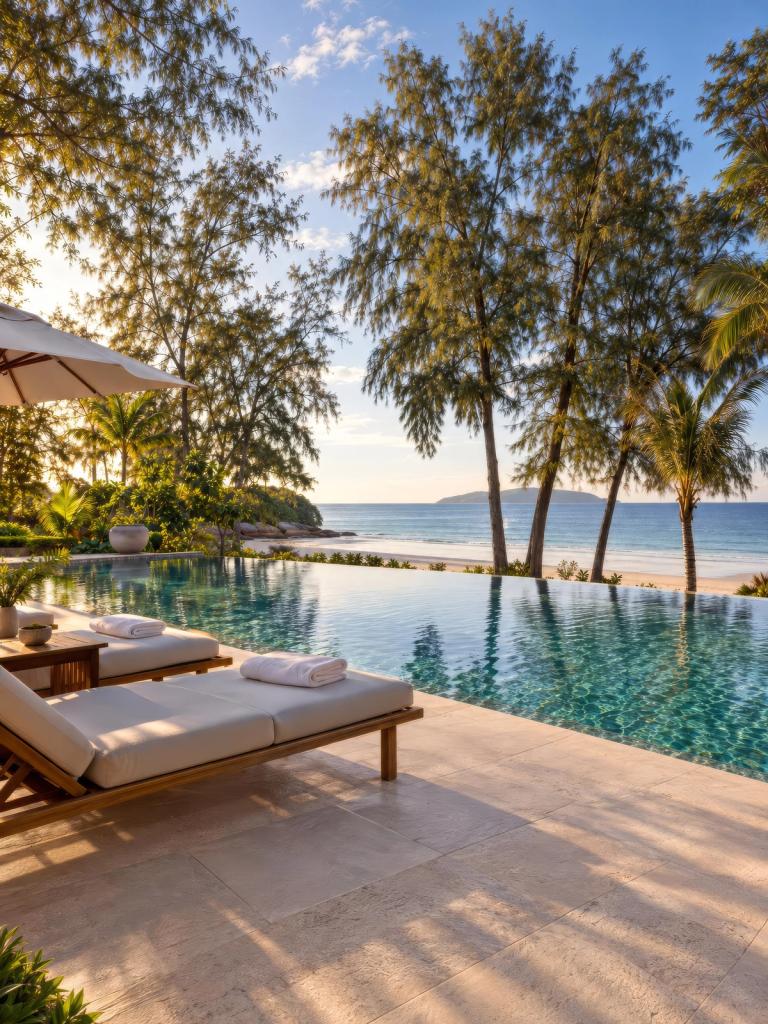
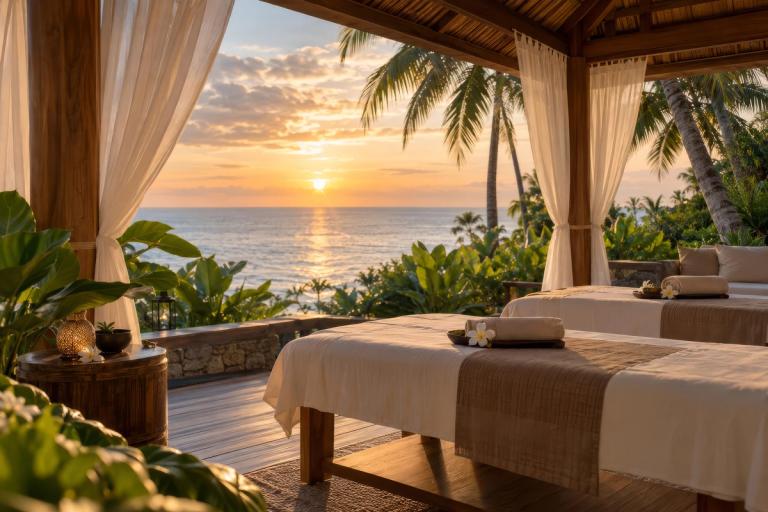
Chiva-Som, Hua Hin. A beachfront wellness resort with 54 rooms and suites, according to MICHELIN. Its spa includes the Niranlada Medi-Spa and a Watsu pool. Only guests aged 14 and over may stay, the resort says.
Kamalaya, Koh Samui. A wellness resort at Laem Set with 76 rooms, suites and villas, it says. We prefer it for longer stays built around food, movement and rest.
Sri Panwa, Phuket. This clifftop resort on Cape Panwa has a BDMS Wellness Clinic on site, according to the resort. It suits guests who want a holiday first, with health checks on the side.
Note that Bangkok Hospital Samui is not on the JCI list. For detailed tests, plan them in Bangkok or Phuket.
How to choose a clinic in Thailand
Start with accreditation and the doctor, not the treatment menu. Ask whether the hospital or clinic holds JCI or Thai hospital accreditation. Ask for the name of the doctor who will lead your programme. Check the name on the Medical Council of Thailand's public doctor search, which lists only active licensed physicians. Then ask for a written plan with every test and price.
Ask what is included. A good programme lists each test, each consultation and the follow-up meeting where results are explained.
Ask about aftercare. Results matter only if your own doctor can use them. Ask for full reports in English, and copies of scans, to take home.
Be careful with promises. Be wary of any clinic that promises to reverse ageing or cure a disease. The Medical Council of Thailand has warned that misleading stem-cell advertising can lead to fines or jail.
What is regulated in Thailand?
Cell treatments are tightly regulated in Thailand. A 2022 Ministry of Public Health announcement in the Royal Gazette allows stem-cell transplants for listed blood diseases, such as leukaemia, lymphoma and thalassaemia. Other medical uses of cells must follow standards set by the Medical Council of Thailand.
So if a clinic offers stem cells for anti-ageing, ask whether that use is approved in Thailand, and by whom. The Department of Medical Sciences says no mesenchymal stem-cell product is registered with the Thai FDA. Such cells are used only for single patients, under close medical supervision, for research. If the answer is unclear, do not go ahead.
Planning a longevity stay
Plan three to seven days for a hospital screening programme, with time for results and a follow-up. A medical retreat usually means one to three weeks. Book a suite or villa close to the hospital or retreat, with a car on call and a translator if you need one.
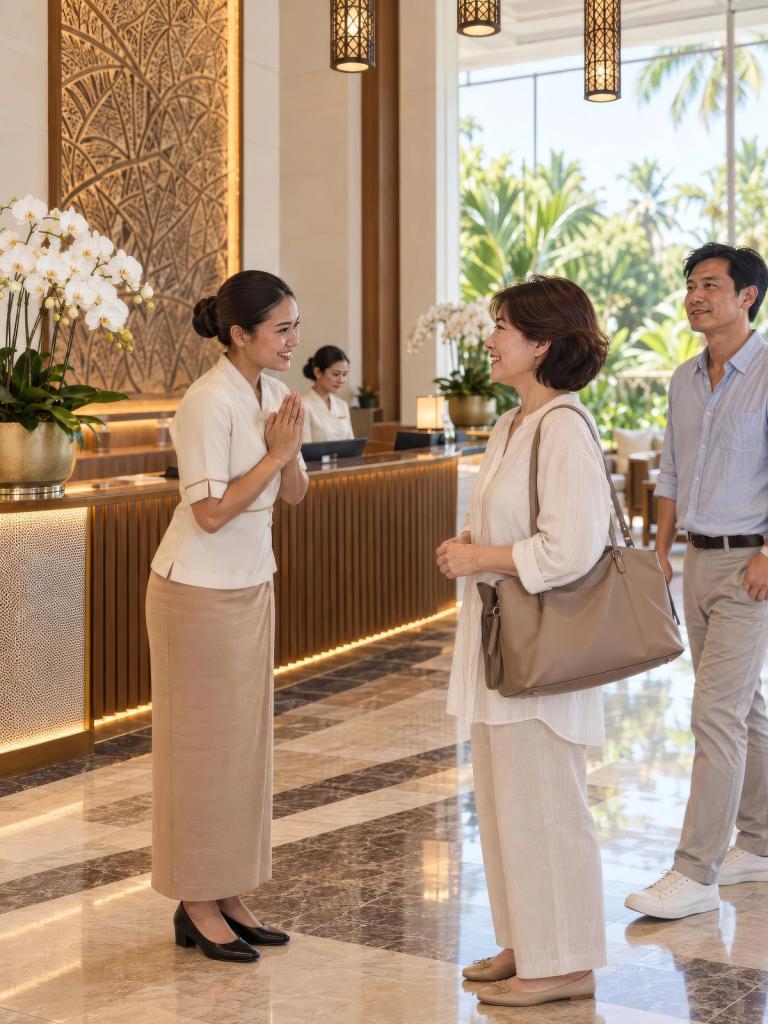
Privacy. Ask for a private entrance, a quiet suite and a driver who waits. We arrange these, and every member of our team has signed an NDA with VIP Luxury Services.
Travelling as a family. Partners and parents often join. We plan their days too, from spa time to sightseeing, while you attend appointments.
Our role. Tanner books the stay, the transport and the appointments you choose. We do not give medical advice or choose treatments for you.
Visas for longer programmes
For a short programme, the visa exemption usually covers it. Since 15 September 2026, nationals of 60 countries and territories can stay up to 30 days without a visa. This is for tourism only, according to the Royal Gazette. Longer treatment needs a different visa.
The DTV visa lists medical treatment among its purposes, according to Thailand's e-Visa site. It allows up to 180 days per entry. See our DTV visa guide and our medical tourism guide.
Where to combine wellness with a holiday
Bangkok is the best city for hospital programmes and specialists. Hua Hin, Koh Samui and Phuket are best for retreats by the sea. Chiang Mai suits a calm, cooler stay in the dry months. Example plan: two days of tests in Bangkok, a follow-up meeting on the results, then a week at a retreat on the coast.
For more ideas, browse our experiences. Our wellness retreats guide compares the main retreats, and our VIP concierge service handles the whole trip.
Plan your programme with Tanner
One planner for the whole stay: suite or villa, car, translator and bookings, for you and anyone travelling with you. Tell Tanner which hospital or retreat interests you, your dates and who is coming. If a programme sells more hope than science, we tell you honestly. Send your dates and goals, and Tanner books the clinic slots, the stay and the car. We arrange the logistics, never the medical advice.