Can you work remotely in Thailand on a tourist visa?
No. The 30-day visa exemption and the tourist visa are for tourism, so they are the wrong route for a working stay. Since 15 September 2026, nationals of 60 countries get up to 30 days without a visa, for tourism only. To work remotely from Thailand, use the DTV or, for senior professionals, the LTR visa.
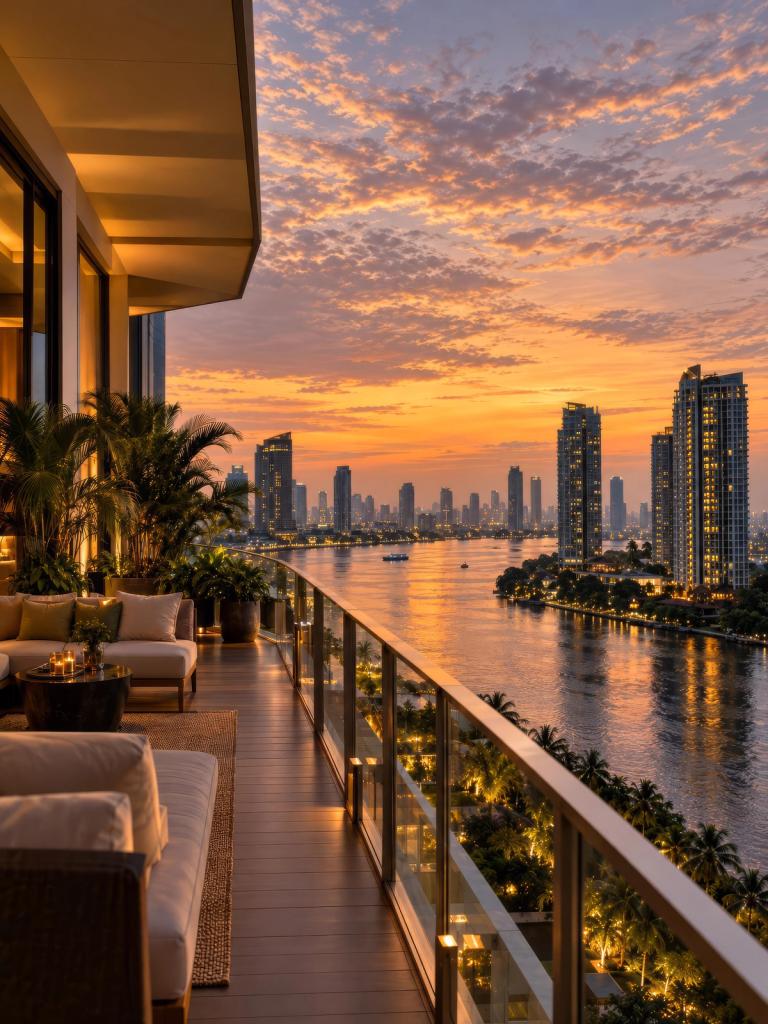
Picture the plan: a laptop, clients in the Gulf or Europe, and three months in a Bangkok residence. The visa decides whether that plan is legal.
The DTV's 'Workcation' purpose is built for people employed outside Thailand, freelancers and digital nomads. The Ministry of Foreign Affairs asks for an employment contract or certificate from outside Thailand, or a portfolio that shows your remote-work status.
The MFA sheet does not cover work for Thai clients or employers. The Department of Employment says a DTV holder who works for an employer in Thailand needs the right visa and a work permit.
The DTV: Thailand's remote-work visa
The Destination Thailand Visa is a 5-year, multiple-entry visa. It is for remote workers, freelancers and people taking part in Thai activities such as Muay Thai or cooking courses. Each entry allows up to 180 days, and you can extend once for up to 180 more. The fee is ฿10,000, according to the Ministry of Foreign Affairs.
Your spouse and children under 20 can join you. You need a bank balance of at least ฿500,000 over the last three months, or a sponsor letter.
The official Thai e-Visa checklist also asks for your passport photo page and a photo taken within six months. Add proof of residence in the country where you apply and a criminal-record clearance. Check the list with the embassy you apply through, as fees abroad are charged in local currency.
Start with the criminal-record clearance and the proof of residence where you apply. Both come from outside offices, so they need the most time.
Read our full DTV visa guide.
The LTR visa for senior professionals
The Long-Term Resident visa suits senior professionals with high incomes. It is run by the Board of Investment. Its Work-from-Thailand Professionals category is designed for professionals who work remotely from Thailand.
See our LTR visa guide.
Tax when you work from Thailand
Stay 180 days or more in a calendar year, and you are a Thai tax resident, whatever your nationality. Under Revenue Department orders, foreign income that arose from 1 January 2024 is taxed in the year you bring it into Thailand. Income from before 2024 is not taxed when remitted.
Remote work does not change these rules, and no visa makes you tax-free by itself. Take advice before you move money. We introduce you to an independent tax adviser, on request. Our guide to banking and tax explains more.
Where to base yourself
Bangkok is the best base for business: the most flights, the best hotels and meetings across Asia within a few hours. Phuket and Koh Samui suit longer stays by the sea. Chiang Mai is cooler and calmer, best from November to January, when the air is clearest.
Bangkok. Sukhumvit, Sathorn and the riverside for serviced residences and business hotels.
Phuket. Villas and resorts, international schools and two JCI-accredited hospitals: Bangkok Hospital Phuket and Bangkok Hospital Siriroj.
Koh Samui. Quiet villas and fast flights to Bangkok, for focused work.
Chiang Mai. Avoid February to April, the main smoky season, when air quality is poor.
For schools, hospitals and housing in each city, see our Live in Thailand guide.
Where to work: residences, hotels and clubs
Most executives work from a serviced residence or a long-stay hotel suite, with a quiet desk and fast internet. Hotel lounges and members' clubs are good for calls and meetings. In Bangkok, Soho House admits non-members only with a member, and The Bangkok Club is by invitation.
Ask for the long-stay rate before you book a single night. Many hotels offer one for a month or more. Our guide to members' clubs in Bangkok lists the main ones.

Time zone, calls and connectivity
Thailand is on UTC+7 all year, with no daylight saving. That gives you mornings with the Gulf, afternoons with Europe, and Hong Kong and Singapore one hour ahead. AIS, True and dtac sell tourist SIMs at airport counters around the clock; you register with your passport. dtac also sells a tourist eSIM.
Health, insurance and staying long
Tourists and DTV holders are not asked for health insurance on the Ministry of Foreign Affairs pages, but cover is still wise. The LTR requires it. Anyone staying more than 90 days must report their address every 90 days, online or in person. A late report costs ฿2,000. If you leave and return during your stay, a re-entry permit costs ฿1,000 for one trip or ฿3,800 for multiple trips.
Plan it with Tanner
Tanner handles the set-up, from the residence to the office desk. Tell him when you plan to come and how you like to work. We plan a scouting week, shortlist serviced residences, book a chauffeur and introduce a tax adviser or lawyer on request. Our relocation service shows how we help.