What's the best way to get around Thailand?
You have ten days, three regions and a lot of luggage. Here is how the pieces connect. One mistake costs the most time: a flight into Don Mueang and a connection out of Suvarnabhumi. They are separate airports, so check each ticket.
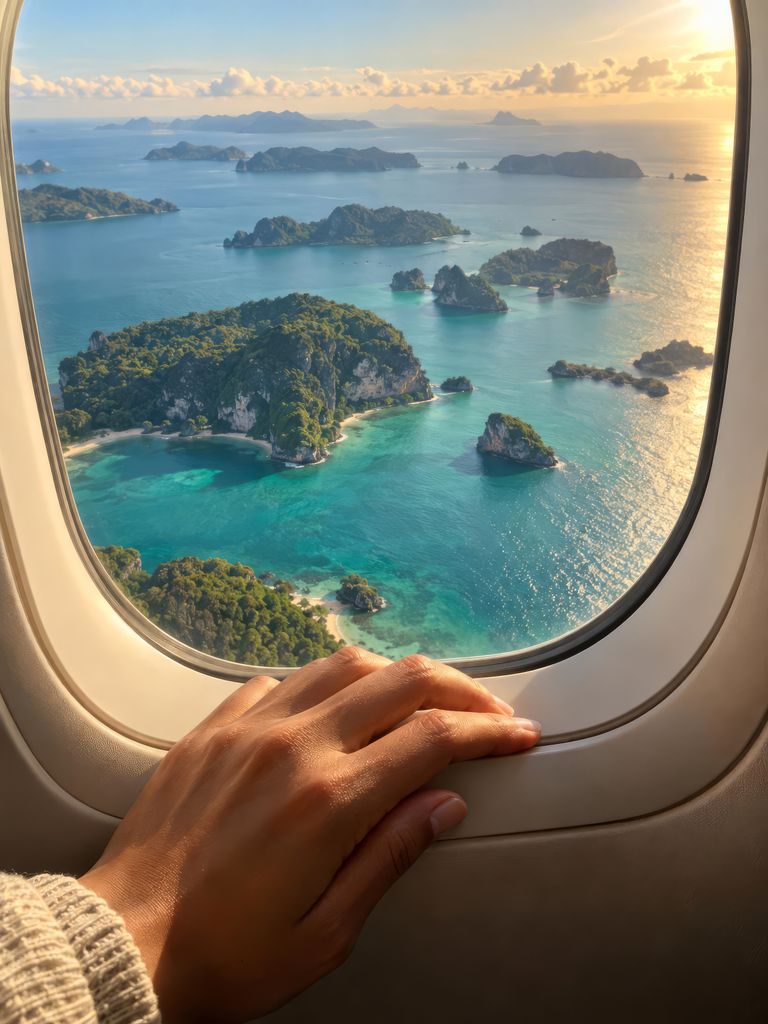
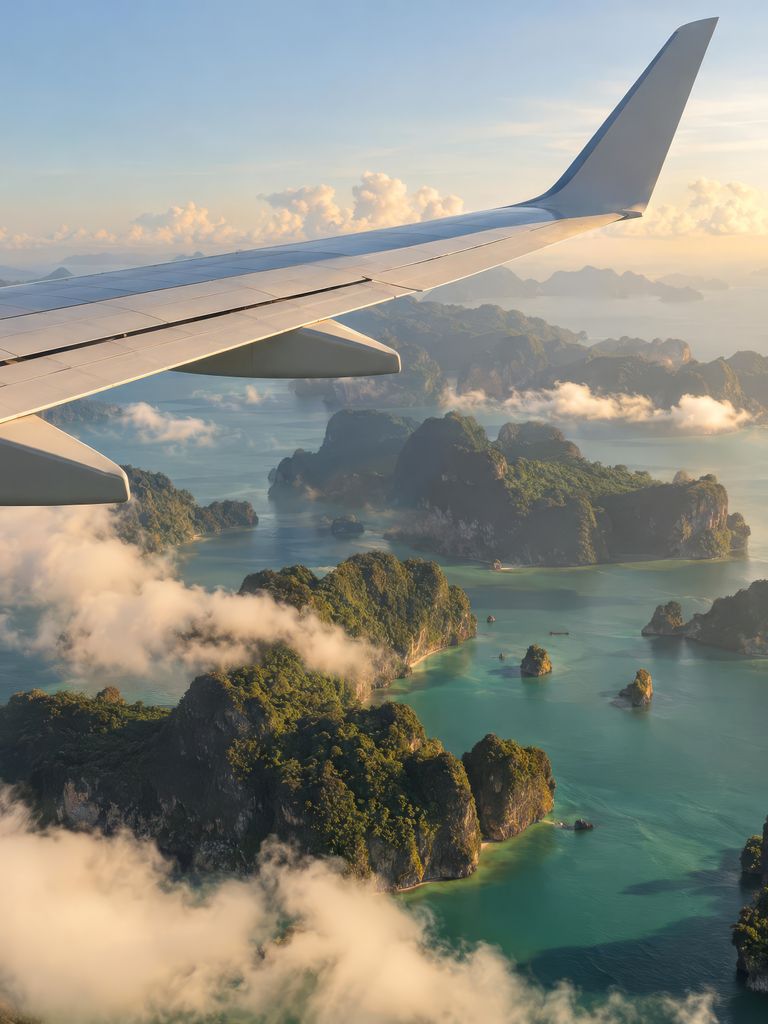
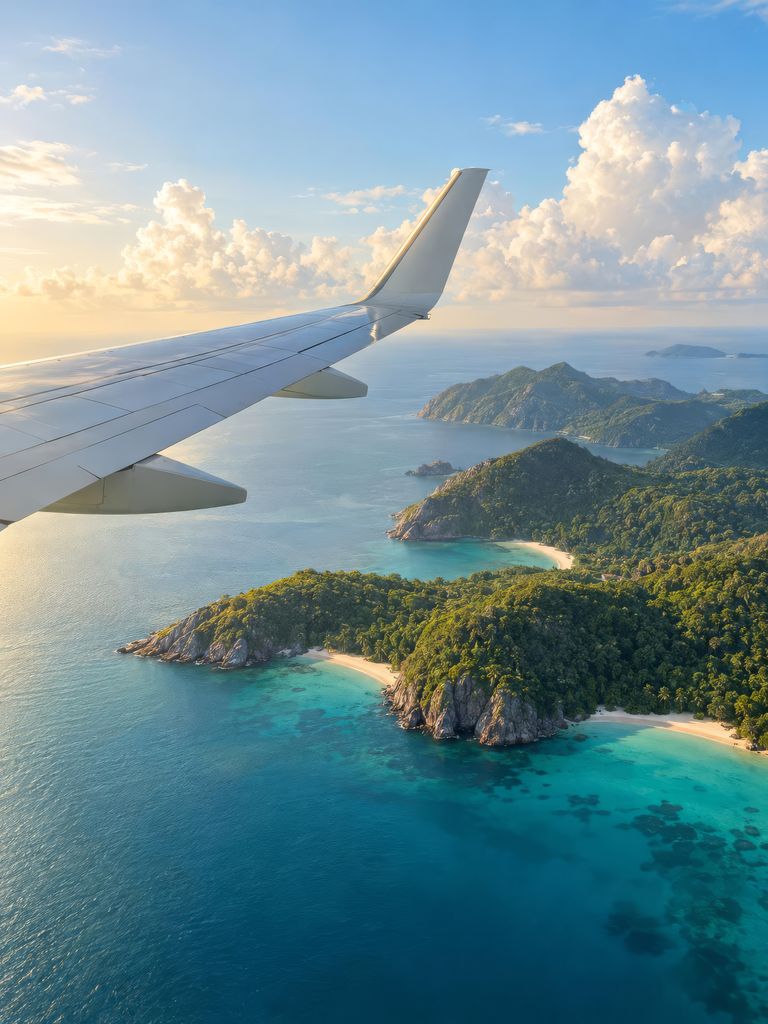
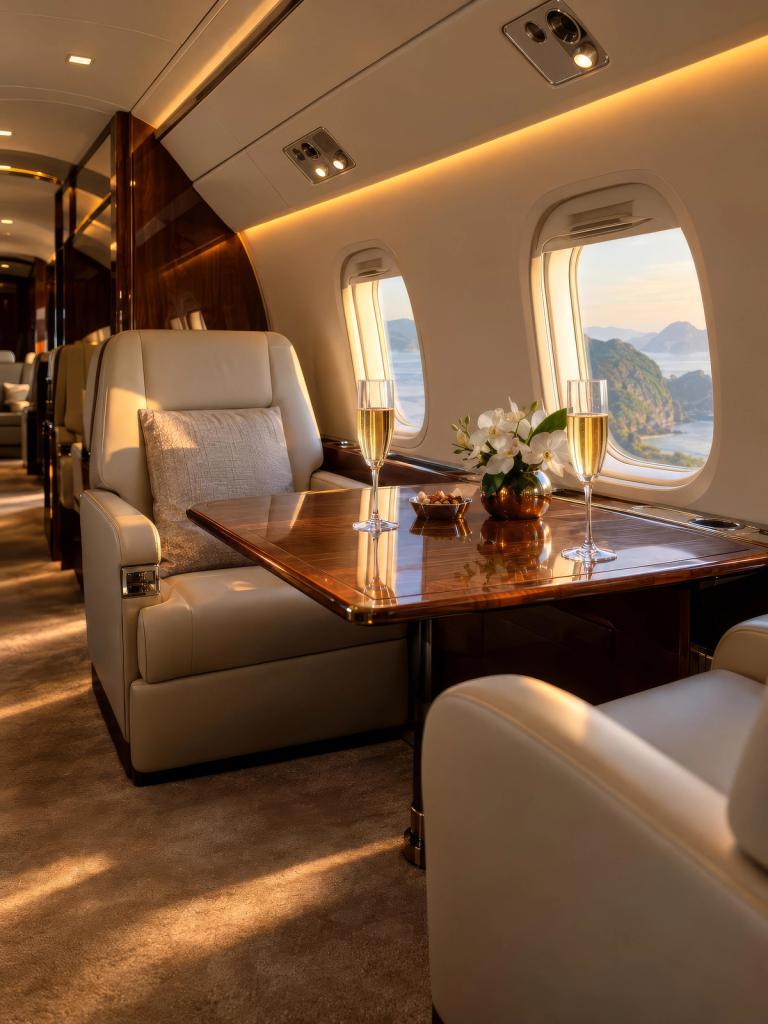
The best way to get around Thailand is to fly between regions, use a private car within them and take a boat between islands. Flights from Bangkok reach the main beach and mountain cities in about an hour or a little more. Distances by road are long, so flying saves whole days.
Thailand is a large country. The north, the Gulf islands and the Andaman coast are far apart, and the drive from Bangkok to the south takes most of a day. A one-hour flight, with a driver waiting at each end, is the simple answer for most trips.
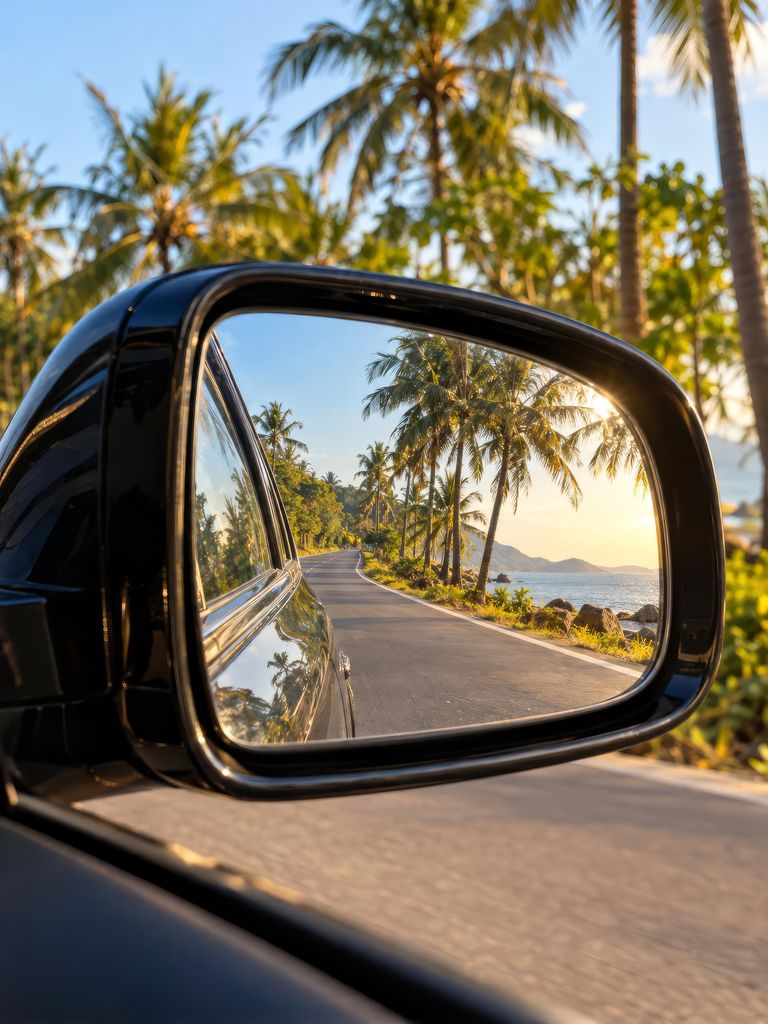
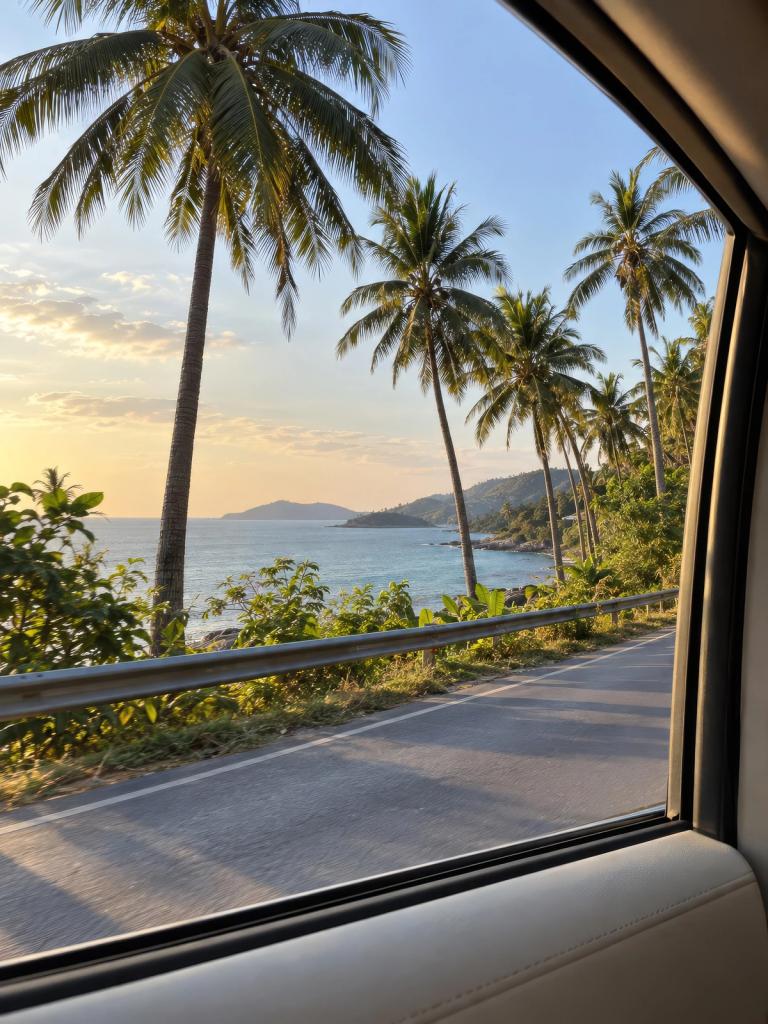
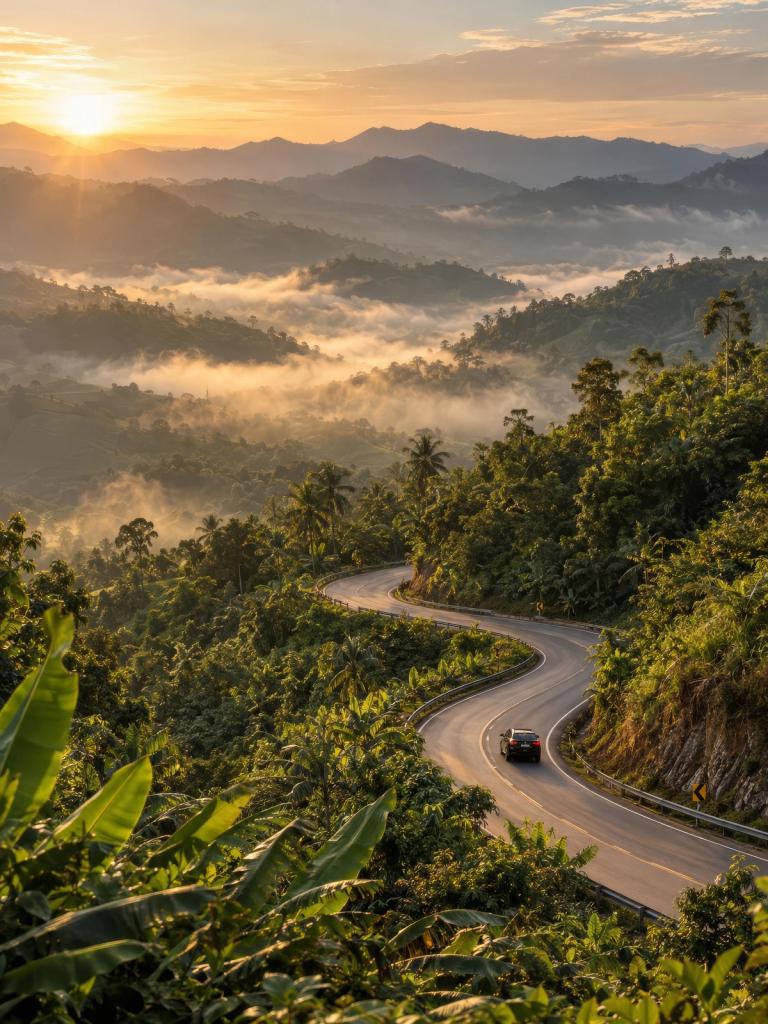
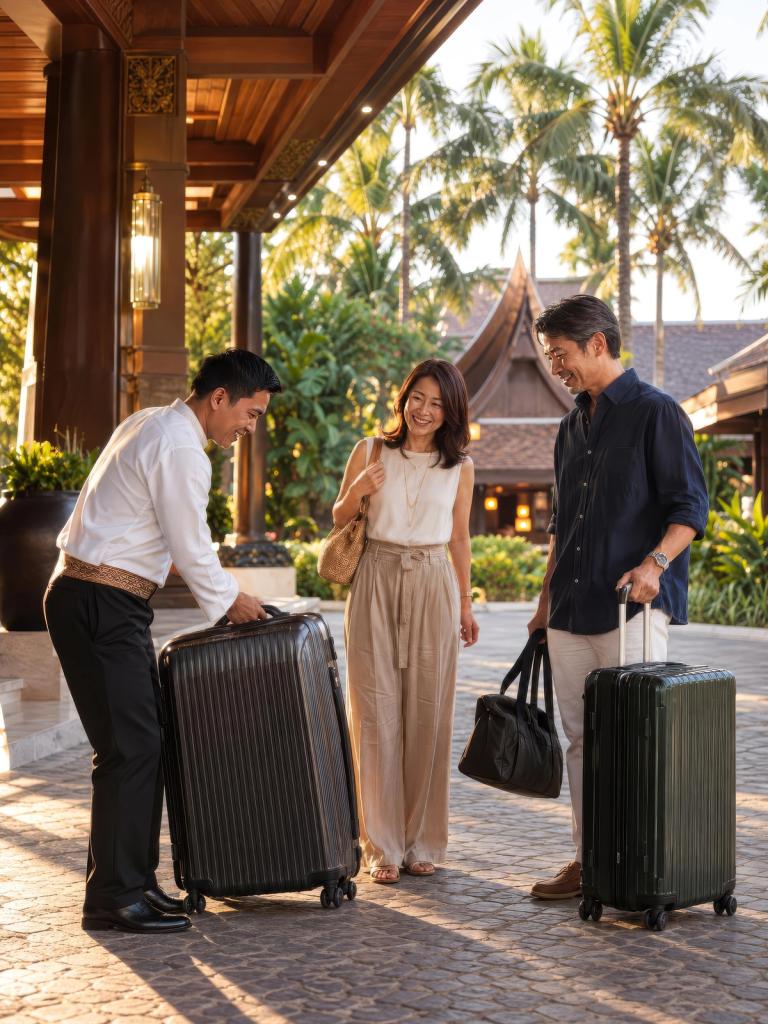
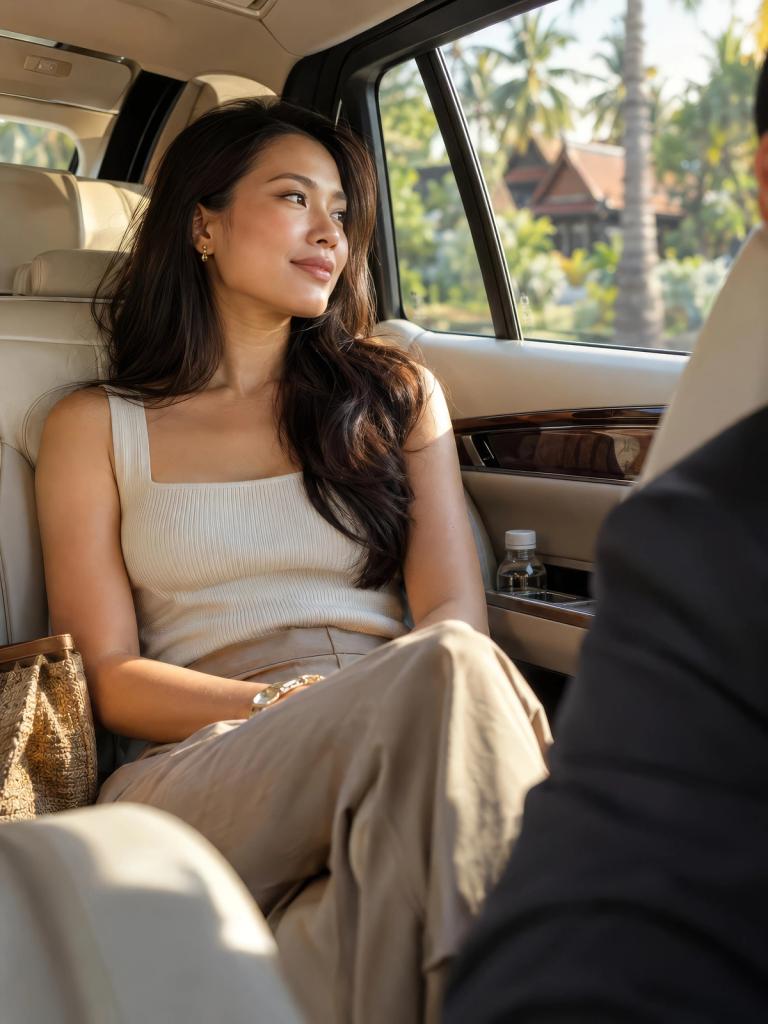
Inside a region, a private car is the most comfortable choice. Your driver knows the roads, carries the bags and waits while you visit a temple or have lunch. In Bangkok, a car works well with the river and the rail lines, which avoid the worst traffic.
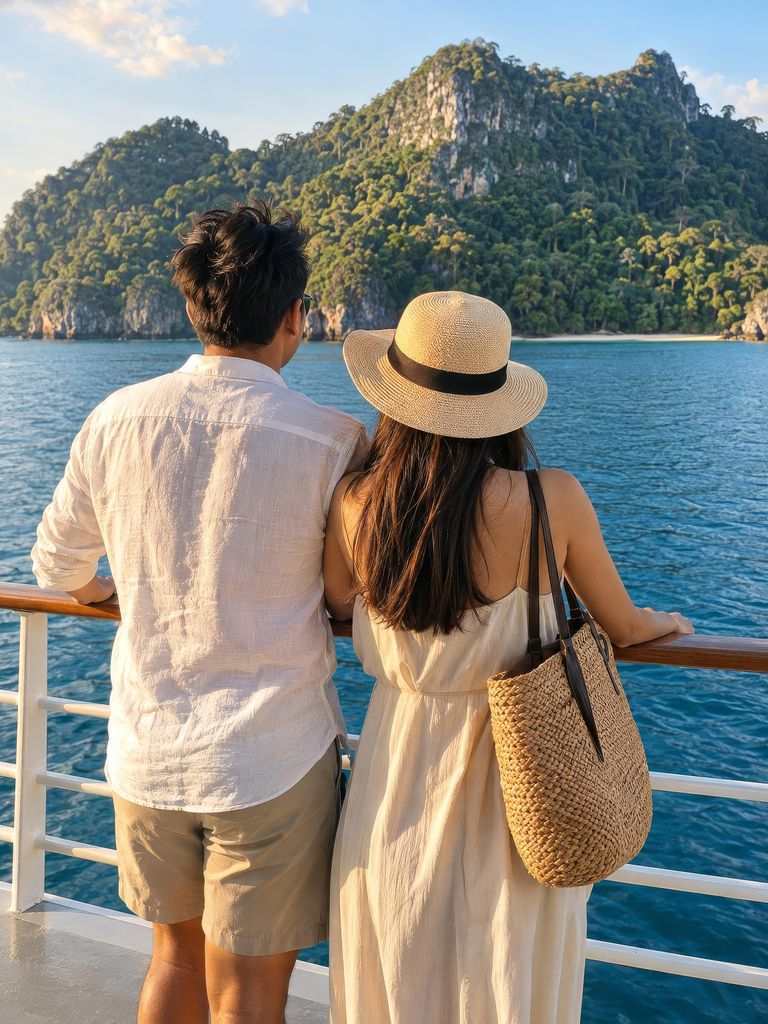
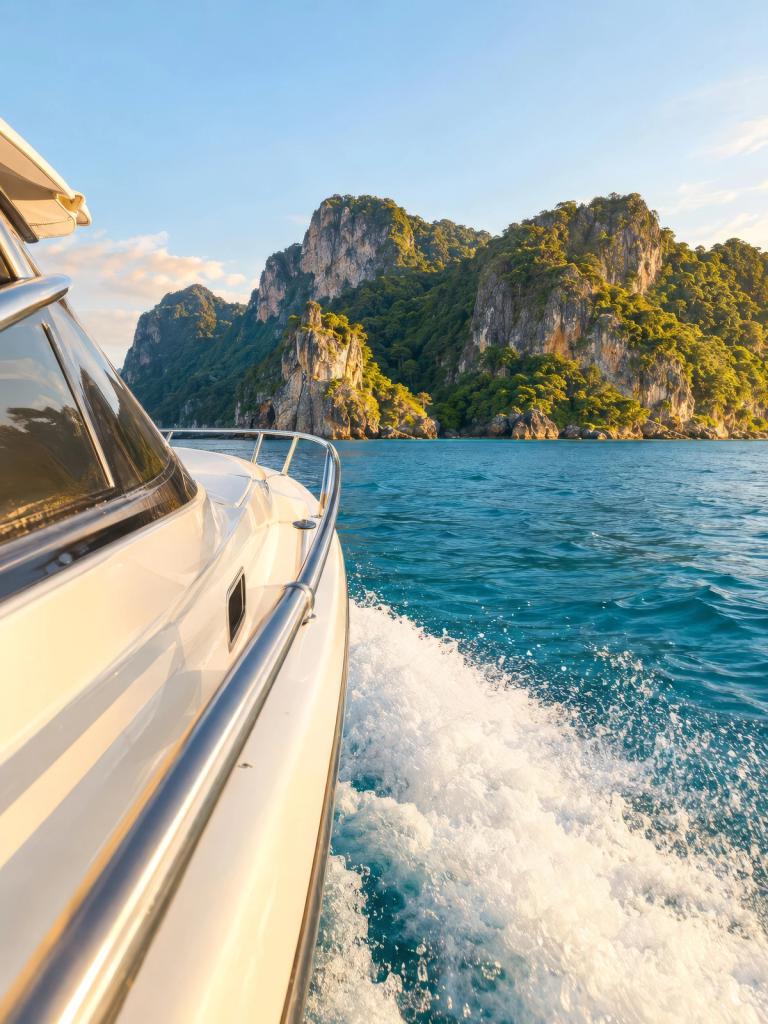
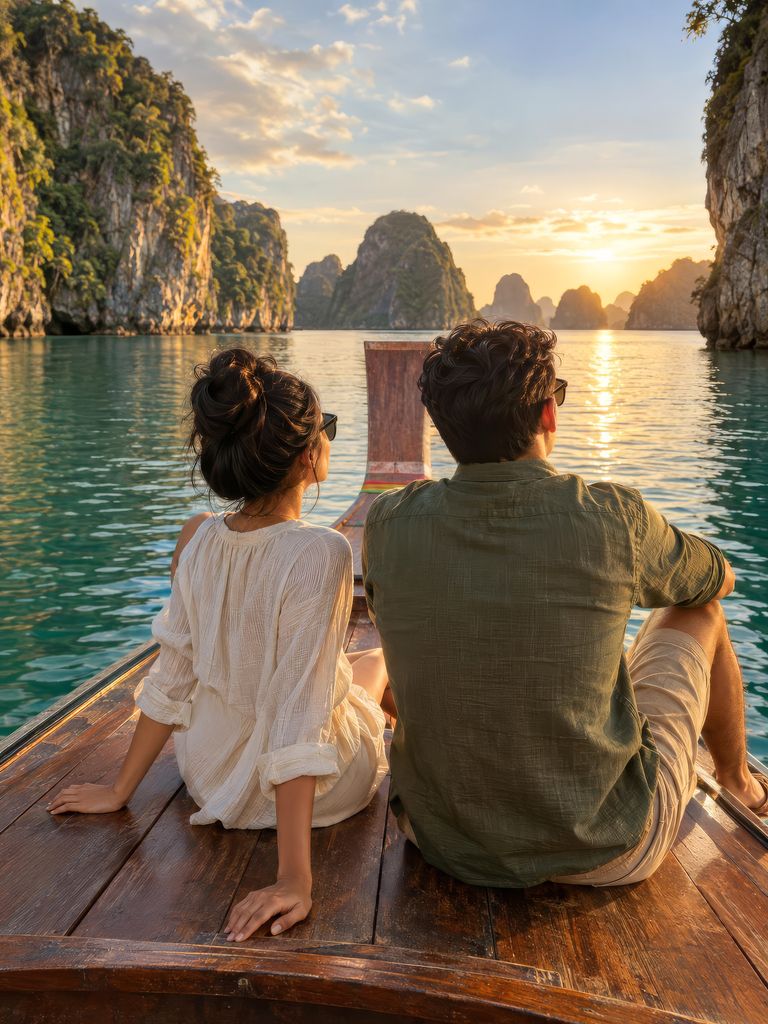
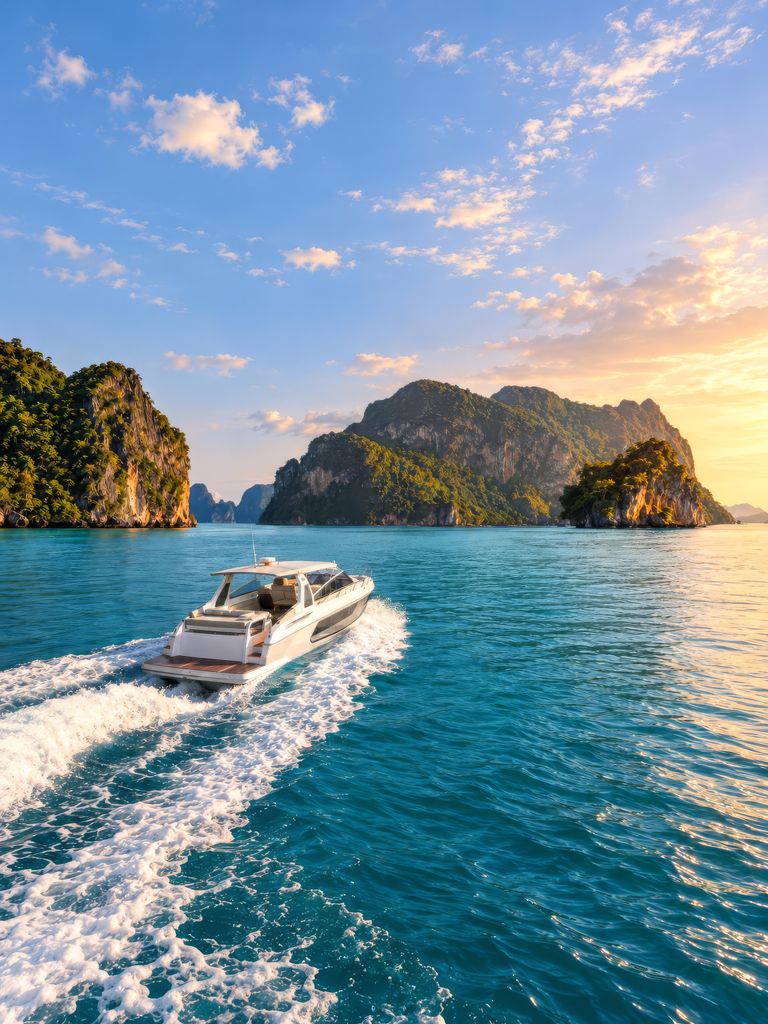
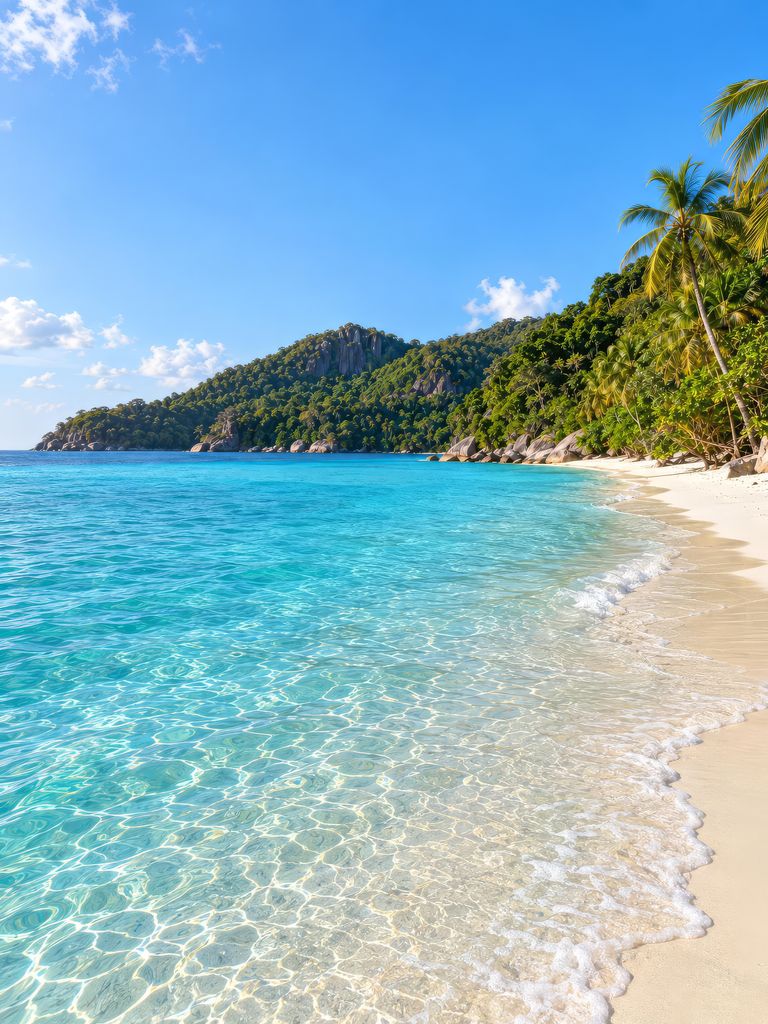
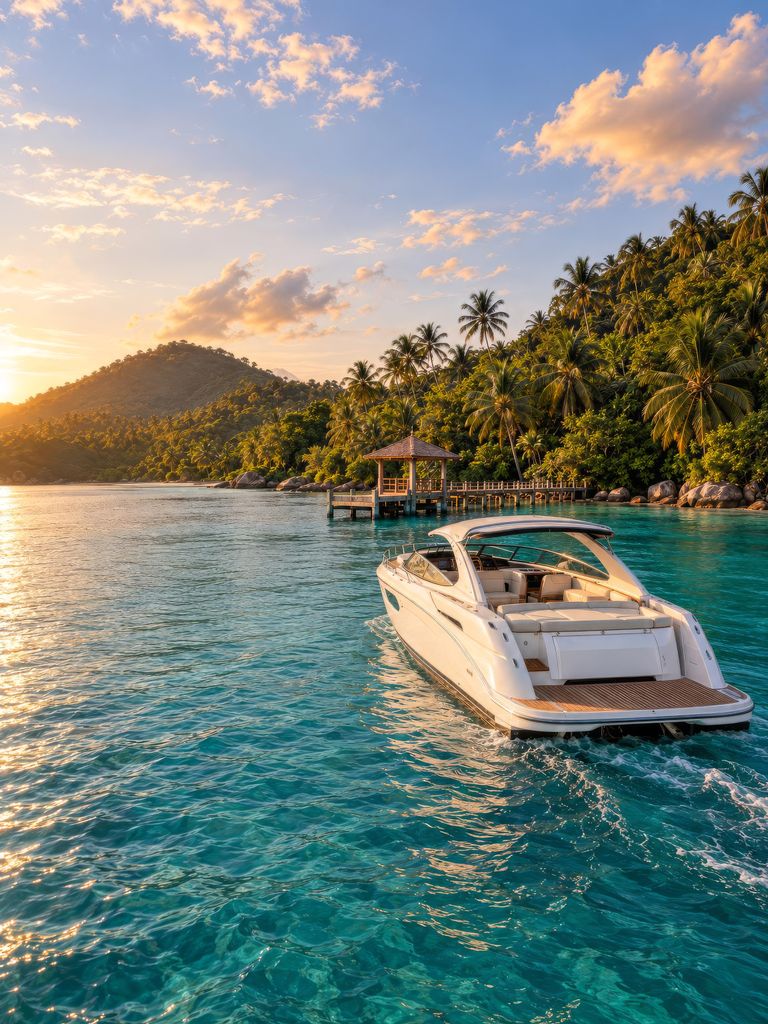
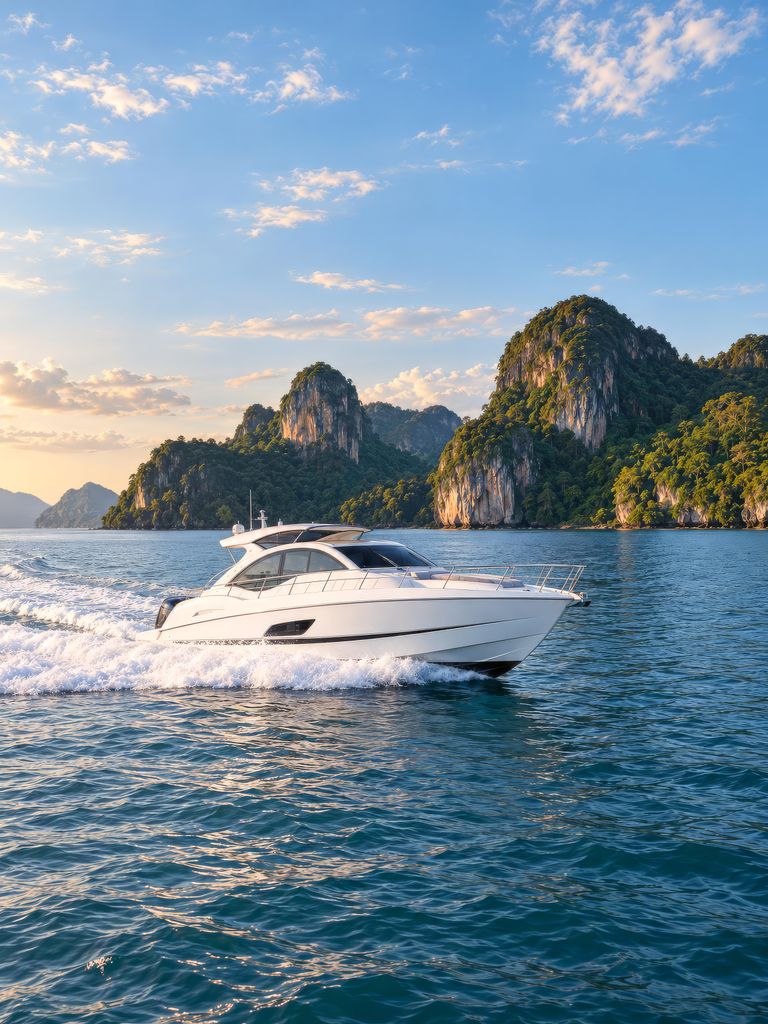
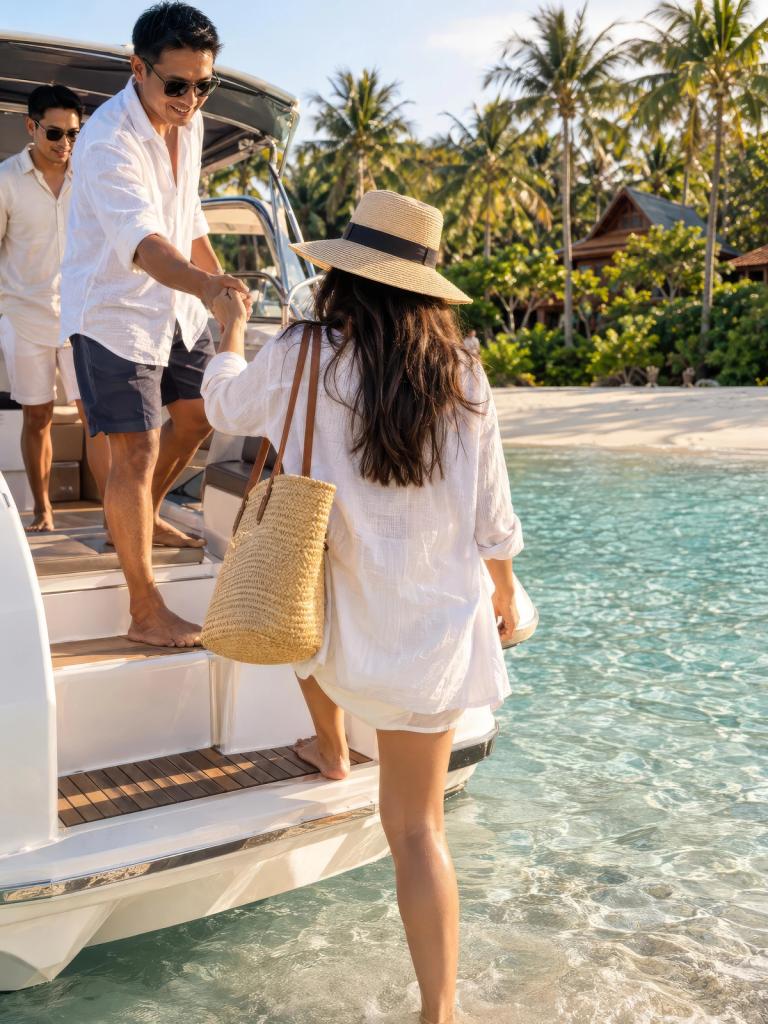
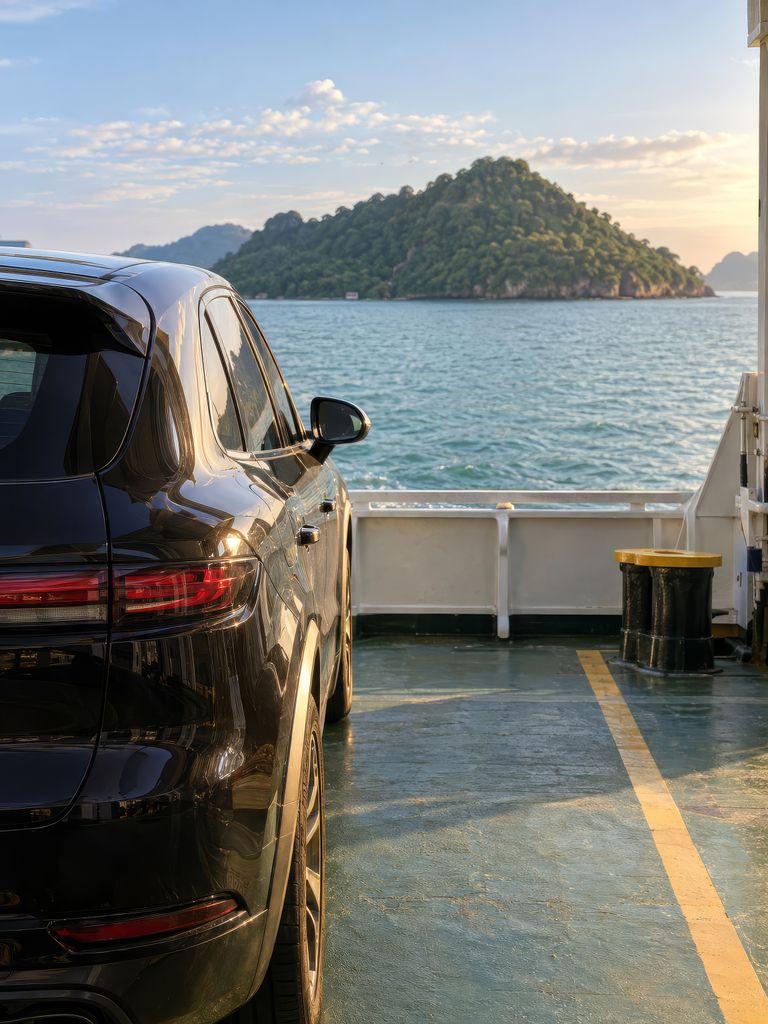
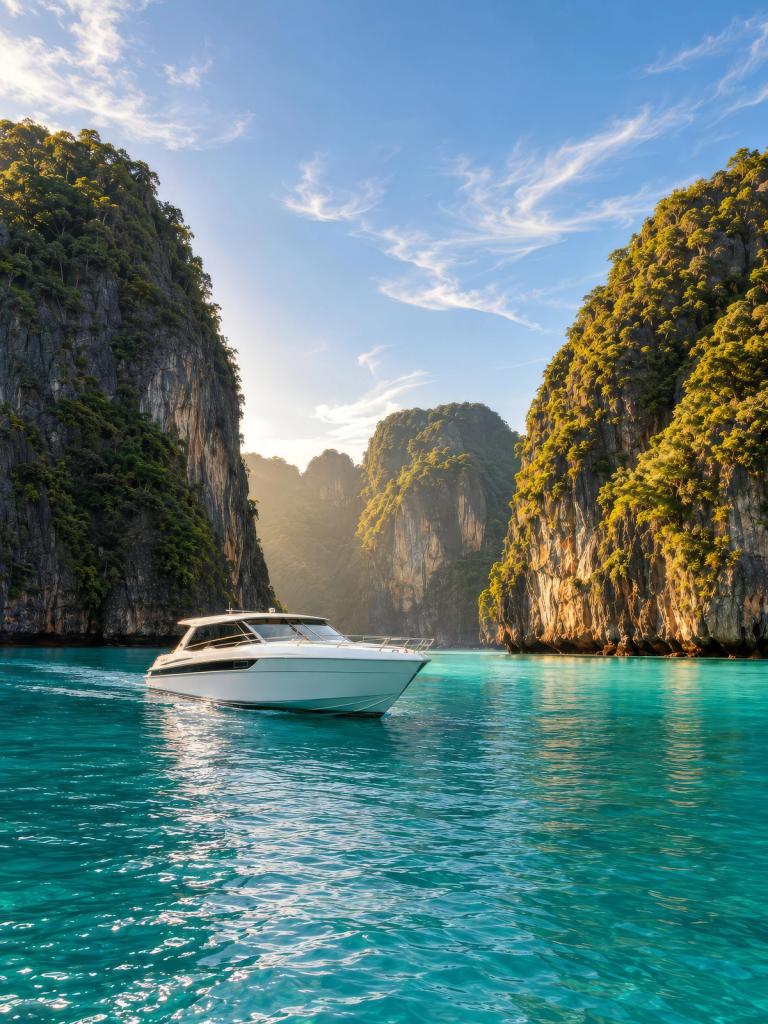
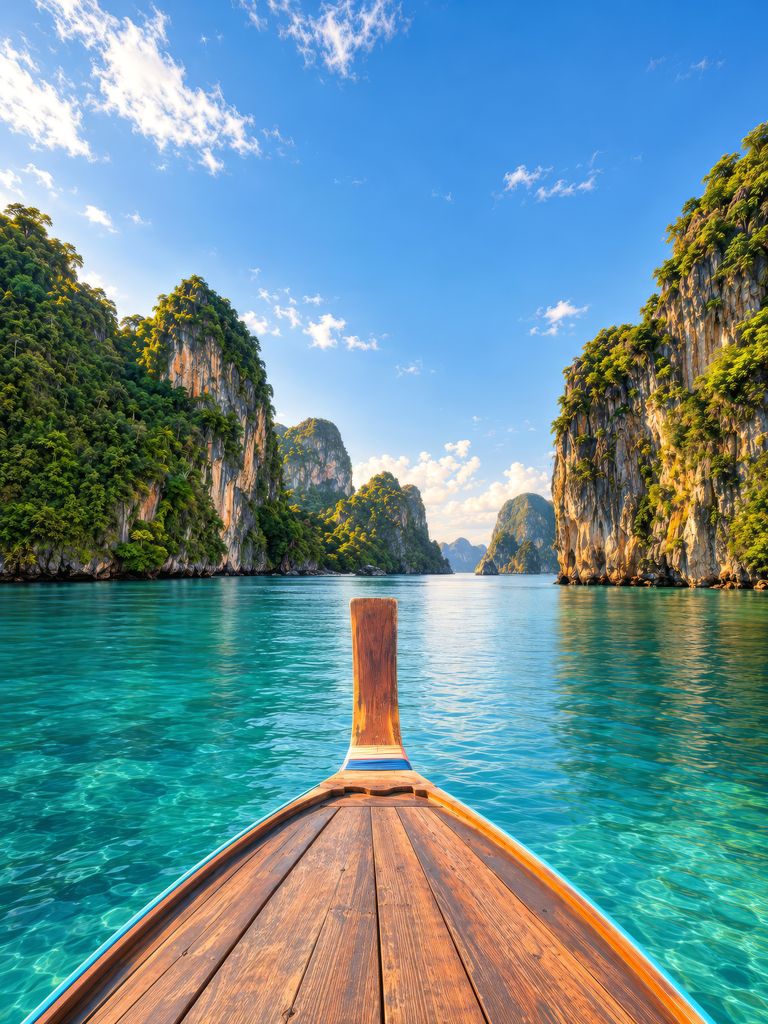
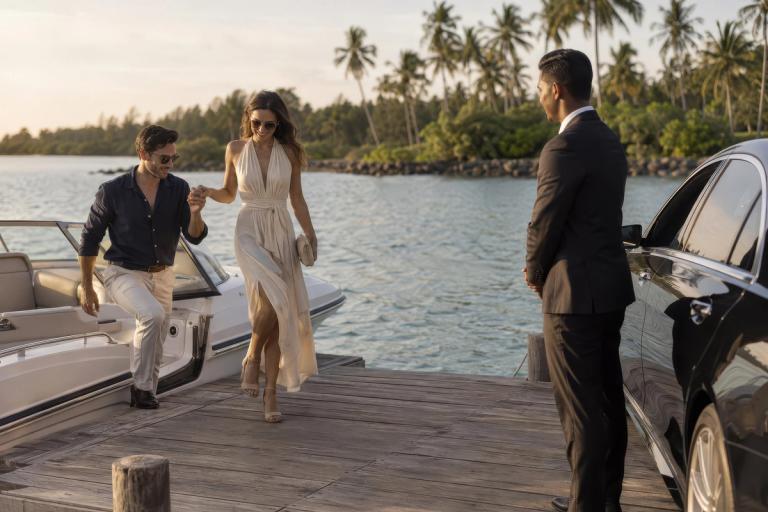
On the coast, boats cover the last stretch. Public catamarans and car ferries link the main islands, and private speedboats or yachts can land you on the beach where you stay. The pages below explain each mode, then list every airport and route page on this site.
Example plan: ten days. You land at Suvarnabhumi and a car takes you to a river hotel. Three days later you fly to Phuket, where a driver waits. A yacht takes you to a quieter island. A short flight to Samui ends the trip, with a boat to Koh Phangan for one night.
One person plans and watches every step: flights, cars, boats and the hotel arrival. If a flight is late or the sea is rough, we change the plan and tell you what moved. That is the main difference between a planned trip and a trip made of separate bookings.

Thailand's main airports
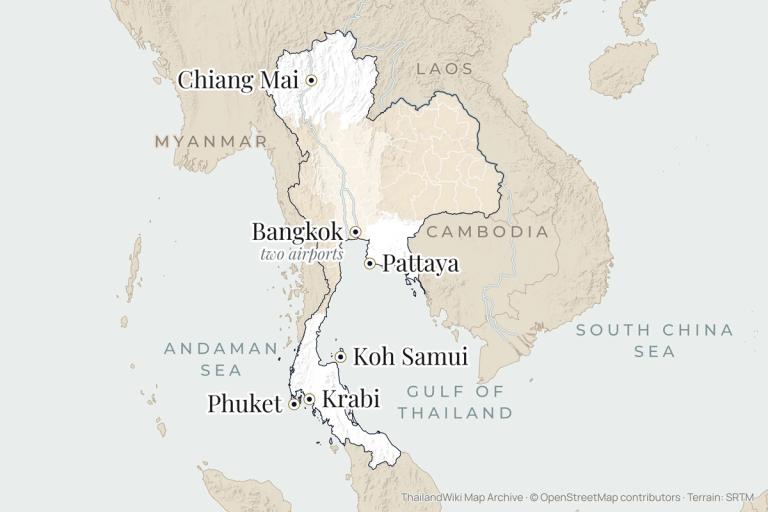
Thailand's main airports for visitors are Suvarnabhumi and Don Mueang in Bangkok, plus Phuket, Krabi, Chiang Mai, Koh Samui and U-Tapao. The civil aviation authority lists 39 public airports in all. Six are run by Airports of Thailand, 29 by the Department of Airports, three by Bangkok Airways and one by the Royal Thai Navy.
- Suvarnabhumi (BKK): Bangkok's main international airport, with customs and immigration around the clock.
- Don Mueang (DMK): Bangkok's second airport, mostly low-cost and domestic flights, with an operator-run private jet terminal.
- Phuket (HKT): the gateway to the Andaman coast, with a separate private jet terminal.
- Krabi (KBV): for Krabi, Koh Lanta and the islands; its new terminal opened on 23 September 2026.
- Chiang Mai (CNX): the hub of the north, with customs and immigration around the clock.
- Koh Samui (USM): run by Bangkok Airways and open from 06:00 to 22:00.
- U-Tapao (UTP): a Royal Thai Navy airport near Pattaya, open around the clock, with a private jet terminal.
Each airport page explains terminals, transfers and arrival services. At the main airports we arrange a private meet-and-assist service we book for you, not an official airport lane. Thai immigration sells no paid fast track through any company.
For check-in, Airports of Thailand advises allowing at least 3 hours for international and 2 hours for domestic flights in the rainy season. Bangkok Airways asks for at least 1 hour 30 minutes before domestic flights. Check which Bangkok airport each ticket uses. Suvarnabhumi and Don Mueang are separate airports, so a connection between them needs a long gap.
Domestic flights and private jets
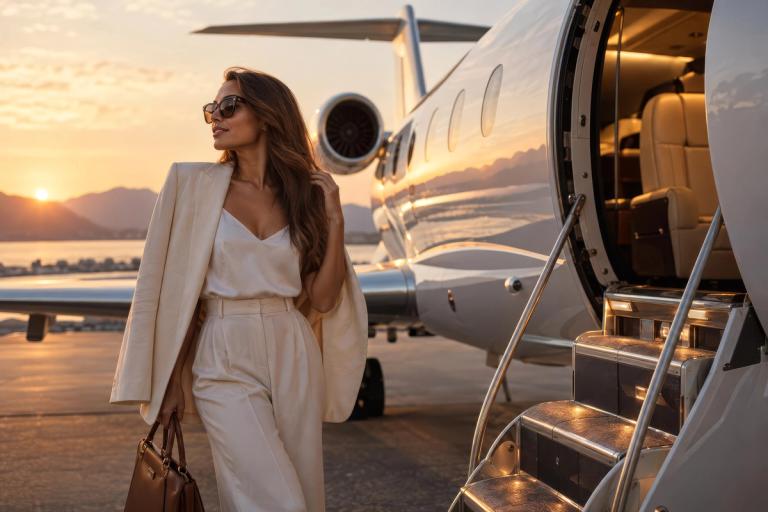
Domestic flights link Bangkok with every major region in about an hour. AirAsia lists about 1 hour 20 minutes from Bangkok to Phuket, and Bangkok Airways gives about 1 hour 10 to 20 minutes to Koh Samui. For privacy and timing, a private jet can use any public airport with permission.
Any public airport can take a private aircraft with permission from the Civil Aviation Authority of Thailand, a ground handler and an approved slot. Foreign aircraft need prior permission to fly over, land or take off, under the Air Navigation Act. An aircraft entering or leaving Thailand must use a customs airport.
Rules differ by airport. At Phuket, private jets must keep to their approved slot, no more than 2 hours early or late. An overnight stay needs Airports of Thailand told at least 3 working days ahead. Suvarnabhumi limits smaller, slower aircraft, with exceptions for VIP flights. Samui bars some older, noisier jets in the evening.
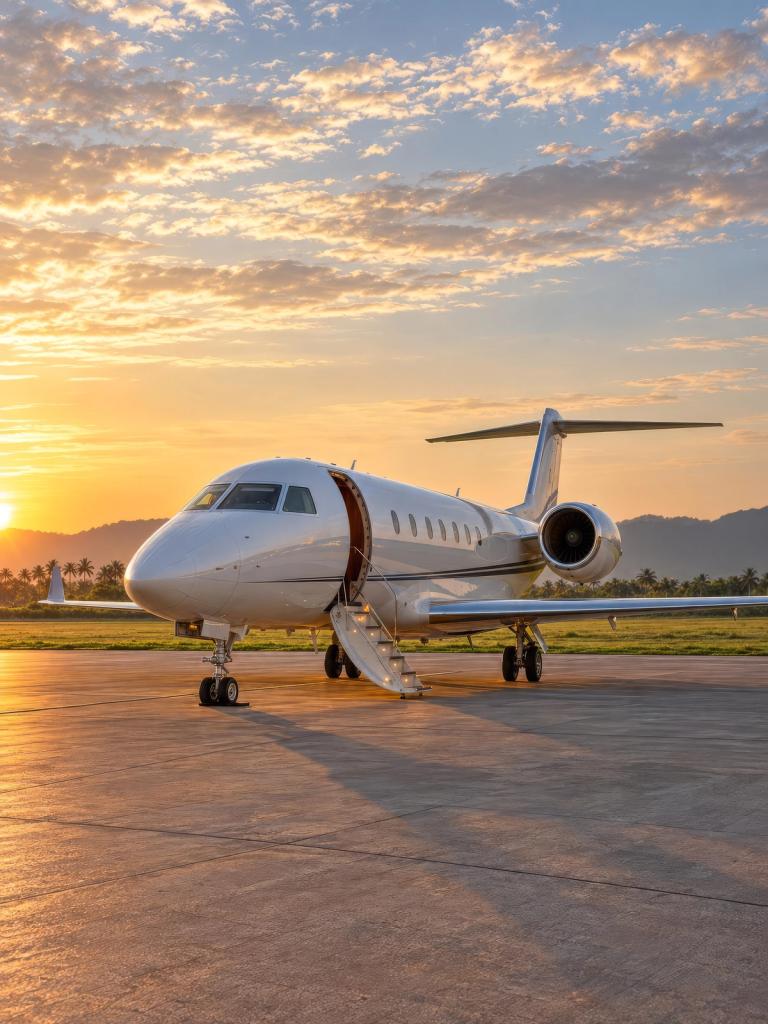
Phuket, Don Mueang and U-Tapao each have a private jet terminal, run by an operator. Krabi offers customs and immigration on demand during the day. We handle the permits, the handler and the cars at each end. Jets are priced per route, not per hour, and paid in full before departure. See our private jet charter page for aircraft and routes.
In the north, Chiang Mai has customs and immigration around the clock, while Chiang Rai offers them from 08:30 to 16:30 or on request. That matters for a private flight from abroad straight to the mountains. We plan the arrival time around the customs hours at each airport.
Smaller airports keep shorter hours. Hua Hin airport is open from 06:00 to 18:00, with customs on request. U-Tapao, near Pattaya, is open around the clock, including customs and immigration. That makes it a useful choice for late private arrivals on the east coast.
Thailand has no licensed seaplane service at present, so we do not offer one. For short hops between airports, a private jet or a helicopter is the fast choice.
Private cars, chauffeurs and ride-hailing
A private car with a chauffeur is the most comfortable way to travel within a region. Your driver meets you at arrivals, carries the bags and stays with you for the day. Grab and Bolt work in all main cities for short trips, and self-drive is possible with the right permit.
A chauffeur is worth it for long drives, families and busy days. We plan stops for meals and rest, and we match the car to your group. That runs from a saloon for two to a large van for ten. A luxury van with driver runs from ฿6,500 for 10 hours, VAT included. Fuel is always included, and waiting time is free when a flight is late. See our luxury chauffeur service for the cars we use, and our airport transfer service for arrivals and departures.
Ride-hailing apps are regulated by the Transport Ministry. From 1 October 2026, the eight licensed platforms, including Grab and Bolt, must use only drivers with public driving licences and registered vehicles. They are useful for short city trips, but the car type and driver change every time.
To drive yourself, carry an International Driving Permit under the 1949 Geneva Convention, or a licence from another ASEAN country. Without one, you need a 30-day temporary licence from a Provincial Land Transport Office. Thais drive on the left, and city traffic can be heavy.
The drink-drive limit is 50 mg per 100 ml of blood. The limit is 20 mg for drivers under 20, provisional-licence holders and anyone driving without a valid licence. After a long dinner, use your driver.
Tell us about your group and luggage when you book. We bring child seats and extra space for golf bags or prams. When a family travels with a lot of luggage, we add a second car for bags. For a business trip, a quiet car with Wi-Fi lets you work between meetings.
For special days, we also arrange luxury and sports cars with a driver. Choose a Rolls-Royce for a wedding or a large SUV for a mountain road. We never name the car company on this site, but we describe each car before you confirm.
Trains
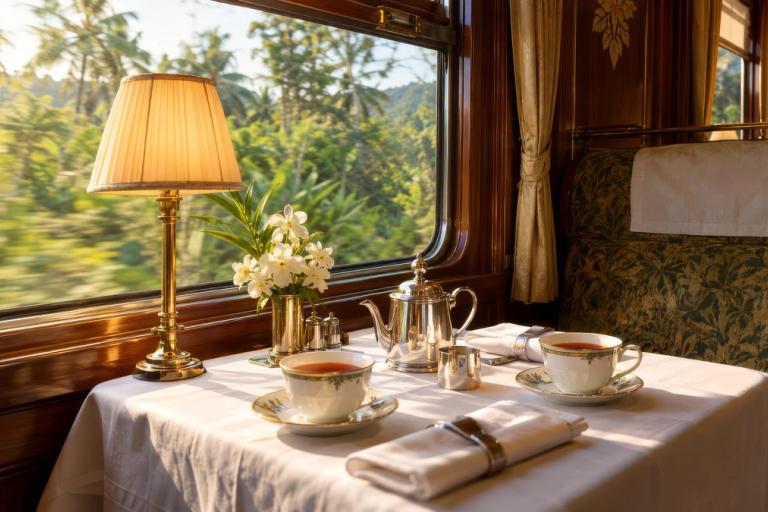
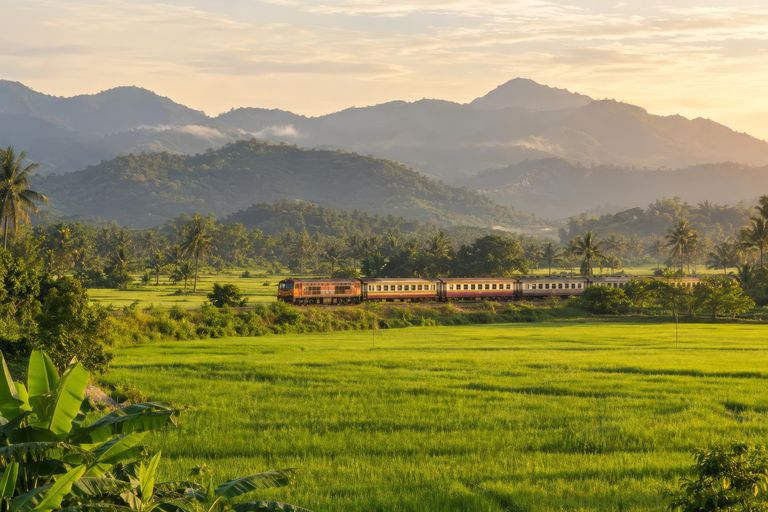
Thailand's long-distance trains leave from Krung Thep Aphiwat Central Terminal in Bangkok, run by the State Railway of Thailand. The fastest day train to Chiang Mai, number 7, leaves at 07:30 and arrives at 17:50, a trip of 10 hours 20 minutes. Overnight sleepers take about 12.5 to 14 hours.
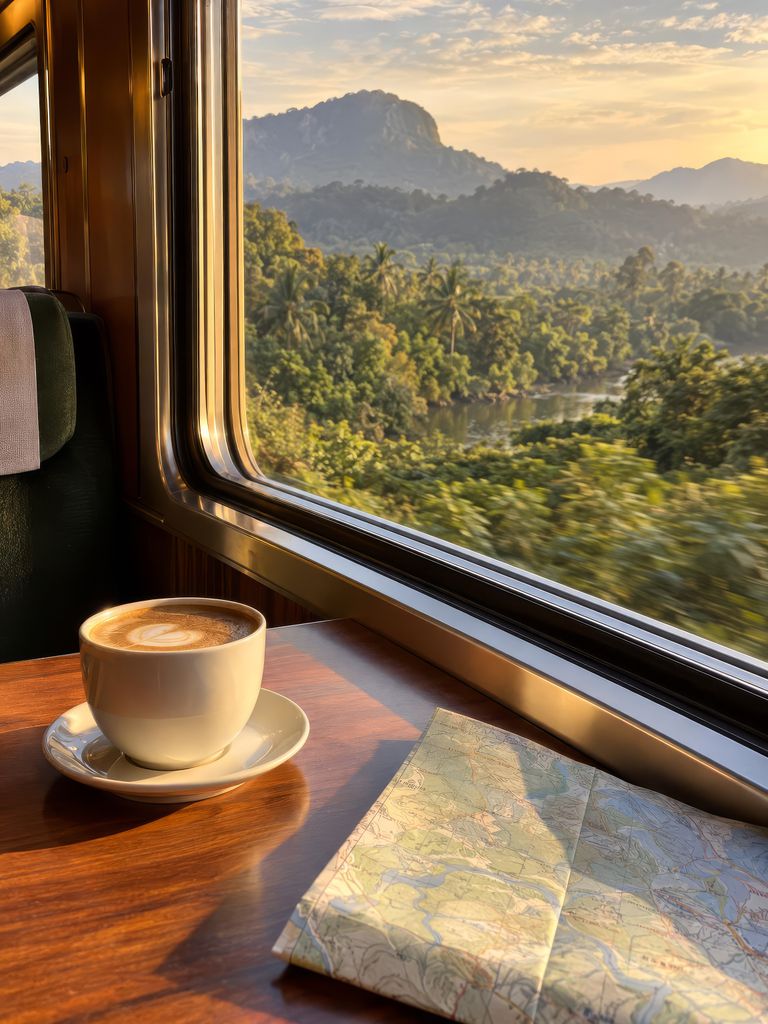
Shorter trips are faster. The Special Express 43 runs from Bangkok to Hua Hin from 07:30 to 10:31, about 3 hours. Since 1 August 2026, a fast service links Bangkok and Ayutthaya in just over 1 hour. Trains are a calm, scenic choice if you enjoy rail.
After floods in September 2026, the railway cancelled several northern long-distance trains. We check that your line is running before we book, and we keep a flight or a car as a backup.
An overnight sleeper is an experience in itself, with a berth that turns into a bed and dinner in the dining car. For comfort, book a private first-class cabin where it is offered. Our advice: take the train one way and fly back.
You may ask about the Eastern & Oriental Express. Since its relaunch in 2024, Belmond runs it on Malaysian routes from Singapore only. A Thailand route has been proposed by the government, but it is not confirmed.
Boats: ferries, speedboats and yachts
Boats link Thailand's islands, from large public car ferries to private speedboats and yachts. Public lines run fixed timetables between the main islands. A private boat leaves when you want and lands at your beach. Thai law sets clear rules on licences, passengers and life jackets.
Every boat used in Thai waters needs a vessel licence from the harbour master under the Navigation in Thai Waters Act. A boat carrying more than 12 passengers counts as a passenger vessel, and no boat may carry more people than its licence states. Large groups therefore need a bigger licensed boat or a second one.
Licensed boats must carry a life jacket for each person on board, under the Marine Department's survey rules. In rough weather, the Marine Department tells small boats to stay in port. Its notification 243/2564 keeps boats under 3 metres in port when waves reach about 1 metre. Boats under 12 metres stay in port when waves reach 4 metres.
National parks add their own rules. Boats tie up to mooring buoys and do not anchor on coral. The Similan and Surin islands close to visitors from 16 May to 14 October. Maya Bay closes from 1 August to 30 September each year. Sunscreen with certain chemicals is banned in all national parks.
In the Gulf, the main public lines are Lomprayah, Seatran Discovery and Raja Ferry. They link Samui, Koh Phangan, Koh Tao and the mainland. We check the licence, life jackets and crew of every boat we book. For a day among the islands, see our helicopter charter page for the fastest views. Our route pages below cover the boats on each crossing.
The two coasts have different boat seasons. The Andaman Sea, around Phuket and Krabi, is calmest from November to April. The Gulf of Thailand, around Samui, is driest from February to April and roughest from October to December. We plan island hops on the calm side of the country whenever we can.

Helicopters
In Thailand, helicopters may land only at licensed airports or licensed helipads, under section 17 of the Air Navigation Act. No main airport has a separate helicopter landing area, so helicopters use the runway as air traffic control directs. Some resorts have their own helipad, such as Anantara Layan in Phuket.
A helicopter is the fastest way to reach a resort with a helipad, or to see the islands from the air. We check the landing permissions at both ends before we confirm. Flights depend on weather and daylight.
Helicopters work best for short, high-value hops. Think of an airport to a resort helipad or a sightseeing flight over Phang Nga Bay. A quick link between two venues on a wedding day works well too. For longer distances, a private jet is faster and more comfortable. Prices are on request and depend on the aircraft, the route and the landing sites.
Popular routes
Our route pages cover the trips we plan most often, from Bangkok to the beaches and the north, and between the islands. Each page compares flights, cars and boats, with the private option first and the public option explained. Choose your route below.
If your trip is not listed, ask us. You can combine routes, such as Bangkok to Chiang Mai, then a flight to Koh Samui and a boat to Koh Phangan. Tanner joins up the whole chain: tickets, cars, boats and timings, with one driver or boat waiting at each step. We get back to you right away.
From Bangkok to the beaches
- Bangkok to Phuket: about 1 hour 20 minutes by air.
- Bangkok to Koh Samui: about 1 hour 10 to 20 minutes with Bangkok Airways.
- Bangkok to Krabi: a short flight to the Andaman coast.
- Bangkok to Pattaya: the nearest beach city, by road.
- Bangkok to Hua Hin: by road, or about 3 hours on Special Express 43.
- Bangkok to Koh Phangan: fly to Samui, then a boat.
- Bangkok to Koh Tao: via Samui or Chumphon.
- Bangkok to Koh Chang: about 1 hour to Trat by air, then the ferry.
- Bangkok to Koh Kood: fly to Trat, then a boat.
- Bangkok to Koh Samet: by road to the coast, then a boat.
From Bangkok to culture and the north
- Bangkok to Chiang Mai: by air, or 10 hours 20 minutes on the day train.
- Bangkok to Chiang Rai: by air to Mae Fah Luang airport.
- Bangkok to Ayutthaya: by road, or just over 1 hour on the fast train.
- Bangkok to Kanchanaburi: by road to the River Kwai.
- Bangkok to Khao Yai: by road to the national park and wine country.
- Bangkok to Buriram: by air or road, for MotoGP on 5 to 7 March 2027.
On the Andaman coast
- Phuket to Krabi: by road or by boat across Phang Nga Bay.
- Phuket to Phi Phi: by boat.
- Phuket to Koh Lanta: by boat or by road and car ferry.
- Phuket to Khao Lak: by road, north of the airport.
- Phuket to Koh Yao Noi: a short boat ride into Phang Nga Bay.
- Krabi to Phi Phi: by boat.
- Krabi to Koh Lanta: by road and a short car ferry.
In the Gulf of Thailand
- Phuket to Koh Samui: about 1 hour non-stop with Bangkok Airways.
- Krabi to Koh Samui: by air, or by road and ferry.
- Surat Thani to Koh Samui: about 1 hour 30 minutes by car ferry.
- Koh Samui to Koh Phangan: about 30 minutes by catamaran.
- Koh Samui to Koh Tao: by catamaran via Koh Phangan, or private boat.
- Koh Phangan to Koh Tao: about 1 hour by catamaran.
In the north
- Chiang Mai to Chiang Rai: by road through the hills.
- Chiang Mai to Pai: by road only; there are no scheduled flights to Pai.
Getting around Bangkok
The best way to get around Bangkok combines a private car, the river and the rail lines. The car is best for door-to-door trips and evenings out. The river is fastest along the old city. The Skytrain and the underground are fastest across busy districts at rush hour.
A chauffeur saves time in Bangkok because your driver waits outside while you visit. He can drop you at a rail station before the traffic, then meet you at the other end. For a day of temples and lunch, our pick is the car and the river together.
The Chao Phraya River links many of the best hotels with the Grand Palace, Wat Arun and Chinatown. Hotel boats and private long-tails make the trip in comfort. At night, a dinner cruise or a private boat shows the lit temples from the water.
Bangkok traffic is heaviest on weekday mornings and evenings, and after heavy rain. We time airport runs and dinner bookings around it. The city has two airports, Suvarnabhumi and Don Mueang, far apart, so we check which one your flight uses before we send the car.
The rail lines are clean, air-conditioned and fast. They are a good choice for a short trip to a shopping mall or a business meeting at rush hour. Your driver meets you at the other end.
For a first visit, plan one big sight each morning and keep the afternoons light. The heat, the traffic and the size of the city make a slower pace more enjoyable.
Rules to know on the move
Before you travel around Thailand, know four rules. File the Thailand Digital Arrival Card within 3 days before arrival. Carry your passport, or a copy of the photo page and your latest stay stamp. Respect the drink-drive limits. Never insult the monarchy, which is a serious crime under Criminal Code section 112.
The arrival card is free and is not a visa. The fine for not carrying identification can reach ฿2,000. Our Thailand travel rules page keeps every entry, transport and safety rule in one place, checked each month.
Two more rules help on the road. Since 29 May 2026, shops may sell alcohol from 11:00 to 24:00. Sales are banned on five Buddhist holy days, with exceptions for hotels and some licensed venues. If you bring a drone, register it with the NBTC and the civil aviation authority before you fly.
Tanner takes the whole chain off your hands: tickets, permits, cars and boats, plus the backup plan when the sea turns rough.