How to plan a trip to Thailand
You have two weeks free in January, four people and no plan yet. Here is the order in which to decide everything.
Planning a trip to Thailand comes down to five decisions. Make them in this order: when to go, where to go, how long to stay, how to move and where to stay. Get the order right, and every later choice gets easier. Each section below covers one decision and links to the detailed guide.
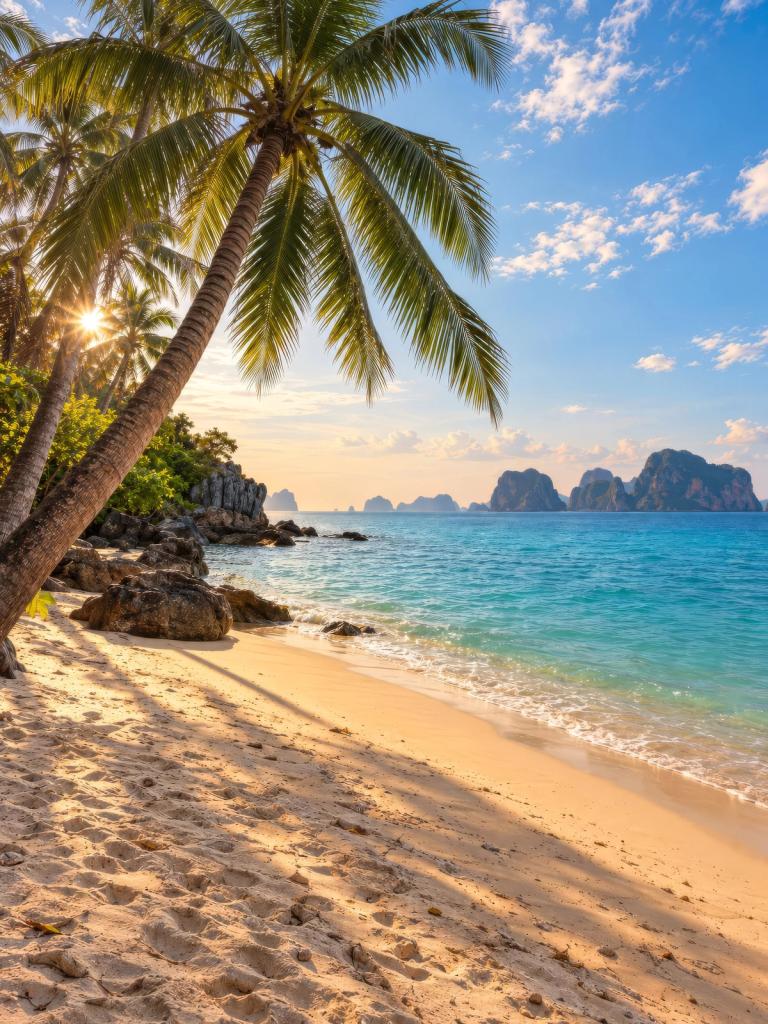
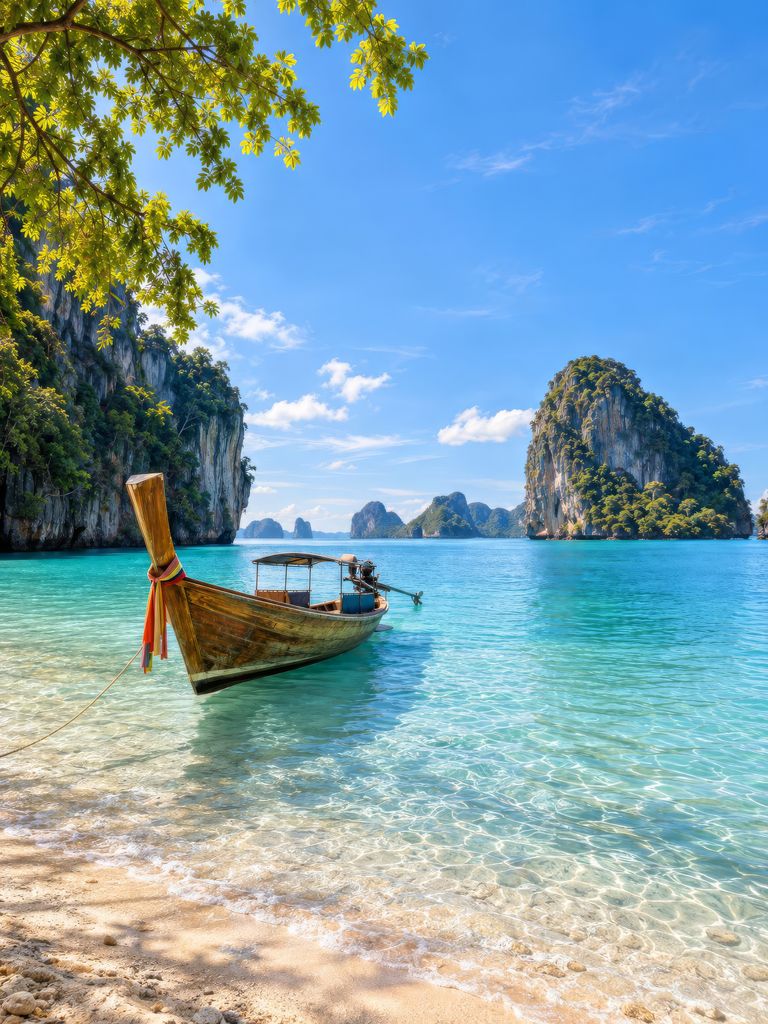
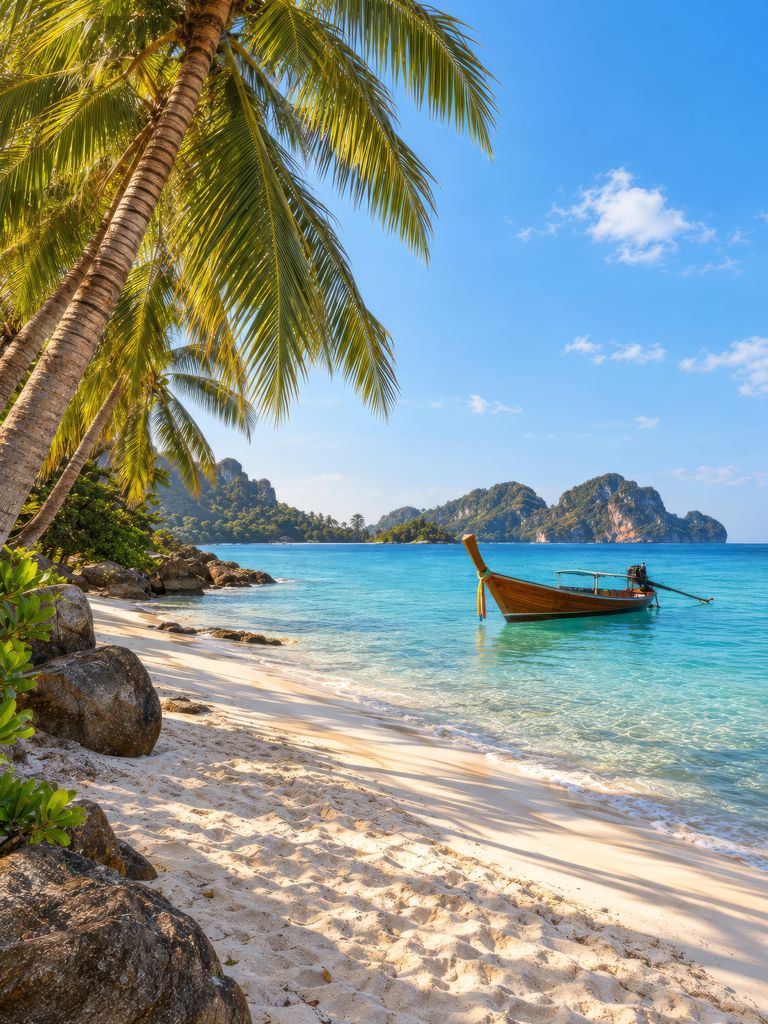
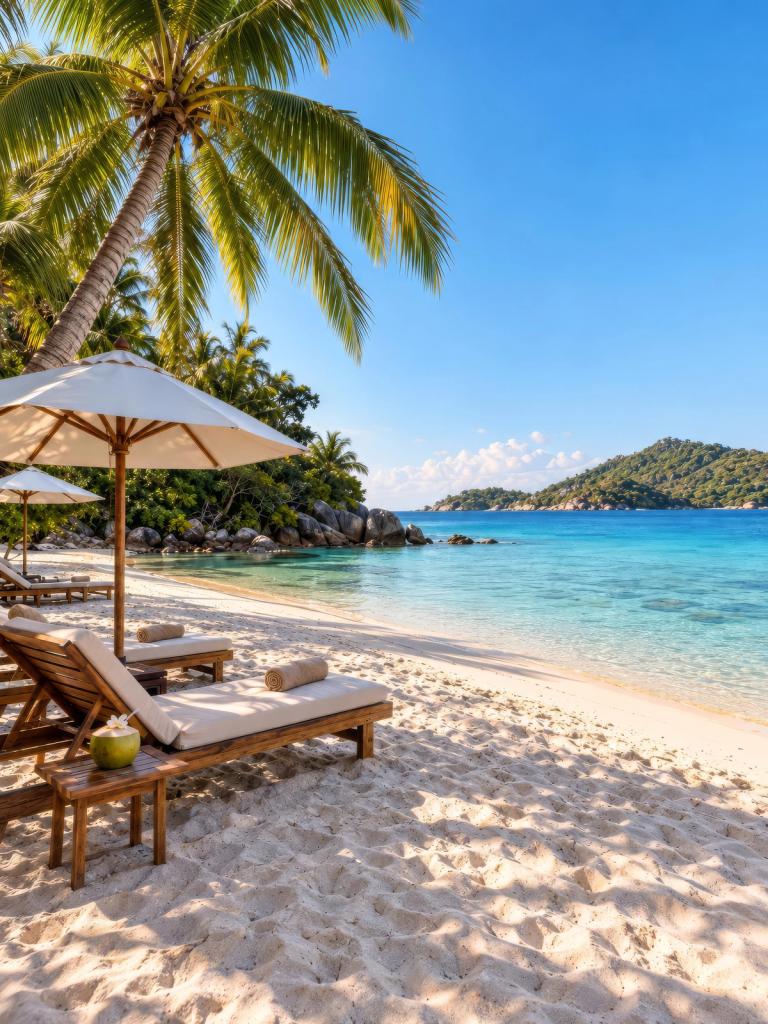
The season comes first because Thailand has two coasts with different weather. The Andaman coast, around Phuket and Krabi, is best from November to April. The Gulf islands, around Koh Samui, are driest from February to April and stay good into the summer. Your dates choose your beach.
Where to go comes next. Most first trips combine Bangkok with one beach, and sometimes the north. Then the length of the stay, the flights and transfers, and the hotel or villa follow naturally. Entry rules, such as the arrival card, are simple but must be done before you fly.
You can plan it all yourself with the guides below, or hand the whole trip to one person. Tanner builds a plan around who is coming, what you love and your budget, and handles every booking. See our luxury packages for ideas of what we arrange.
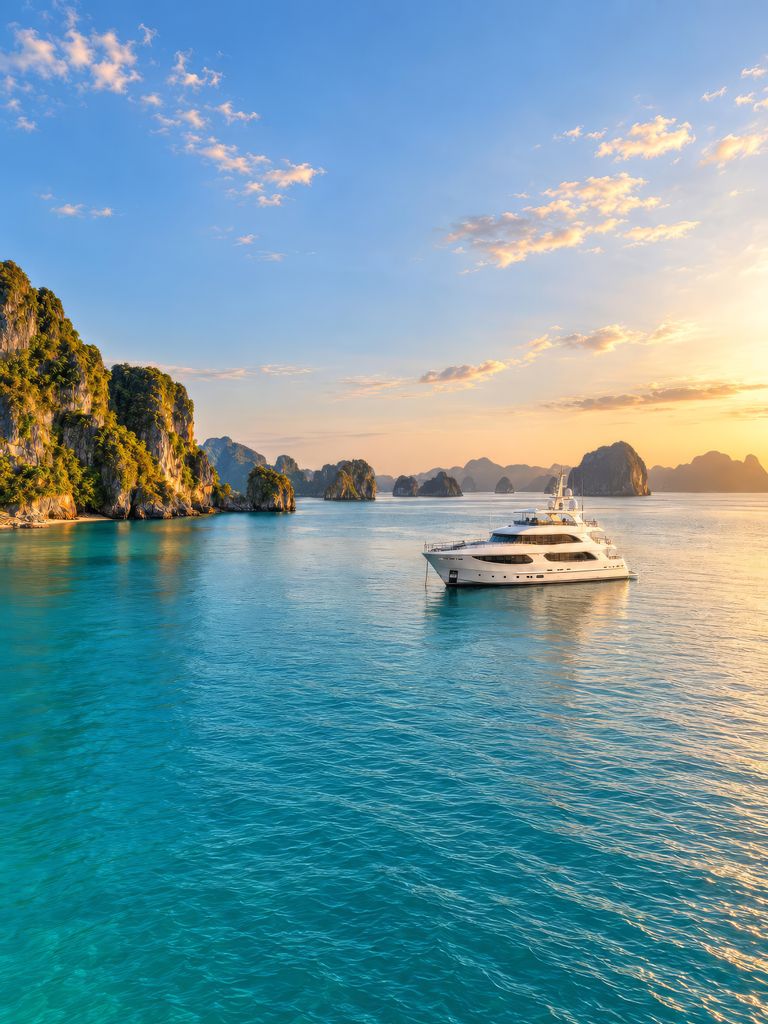
To sketch the trip first, use our Thailand trip planner. Pick your stops, add a villa, a yacht day or a private chef, and see "from" prices for each step before you send the plan to Tanner.
A typical planning timeline looks like this. Three months out, choose the dates and regions and book flights. Two months out, confirm hotels or villas, yachts and any special dinners. In the final weeks, file the arrival card, share flight details for transfers and agree the day-by-day plan.
Planning is different for each kind of group. A couple may want one outstanding hotel and a few great tables. A family needs connecting rooms, child seats and earlier dinners. A group of friends needs a villa, a yacht and one person who keeps everyone on time.
Travelling with children? Our guide to Bangkok with kids covers family hotels, days out and getting around.
When to go
For most of the country, the best time to go to Thailand is the cool, dry season, from mid-October to mid-February. That is the Thai Meteorological Department's definition. The hot season runs from mid-February to mid-May and the rainy season from mid-May to mid-October. The Gulf islands follow a different pattern, wettest from October to December. Our verdict: November to February is the best window for a first visit.
That means Thailand has a good beach in every month. Choose the Andaman coast in the winter months and the Gulf islands in the summer. Bangkok and the north are most comfortable from November to January. Our best time to visit Thailand guide compares every region, and our Thailand weather guide gives rainfall by month.
Rain in the wet season usually comes in short, heavy showers rather than all day. The green months bring quiet resorts and easier booking for the best suites. Keep boat days flexible. The Gulf islands are the safest beach choice from May to September.
For one month in detail, open the month page:
- January, February, March and April: dry on the Andaman coast, hottest in April.
- May, June, July and August: green season; the Gulf islands are the best choice.
- September and October: the wettest weeks on the Andaman side; quiet, with the best villas easier to book.
- November and December: the start of high season, with festivals and the busiest weeks.
Holidays shape prices as much as weather. Christmas, New Year and Chinese New Year are the busiest weeks. Songkran, the Thai New Year, falls on 13 to 15 April 2027. School breaks in Singapore, Hong Kong and the Gulf also fill the best villas, so book early for those dates.
Big events can anchor a trip. The Thailand International Boat Show runs from 14 to 17 January 2027 in Phuket, and MotoGP comes to Buriram from 5 to 7 March 2027. Loy Krathong is expected on 13 November 2027, with Yi Peng lanterns in Chiang Mai around the same time.
How many days in Thailand are enough?
For a first trip, 10 to 14 days in Thailand are enough to see Bangkok, one beach and perhaps the north. The Ministry of Tourism and Sports says visitors stayed 9.89 days on average in 2025. Visitors from the Middle East stayed longest, 11.45 days on average.
A week works well for one city and one beach. Ten days add a second region, such as Chiang Mai. Two weeks allow three regions at a relaxed pace, with one or two quiet days to rest. Each move between regions costs about half a day, so fewer bases means more holiday. The common mistake is three bases in one week, spent mostly in cars and lounges. Our pick for a first trip: ten days, two bases and one short flight.
If you have only a few days, stay in one place. A long weekend in Bangkok, or four nights on Koh Samui with a direct flight, is better than rushing between three cities.
Allow for jet lag on long-haul trips. Guests from Europe often need a slow first day. Guests from the Gulf and Asia arrive with little time difference and can start at once. We put the busiest sightseeing days in the middle of the trip, not on day one.
For longer or repeat stays, Thailand offers special options. The 10-year Long-Term Resident visa and the Thailand Privilege membership suit guests who visit often or stay a season. Our visa guide explains who qualifies.
Where to go
Where to go in Thailand depends on what you love. Bangkok is for food, culture and nightlife, the islands for beaches and yachts, and the north for temples, mountains and calm. Combine two of the three. Our guides below help you choose the right places for your season and your group.
- Best places to visit in Thailand: the regions and cities that suit a luxury trip.
- Best beaches in Thailand: the beaches worth the journey, coast by coast.
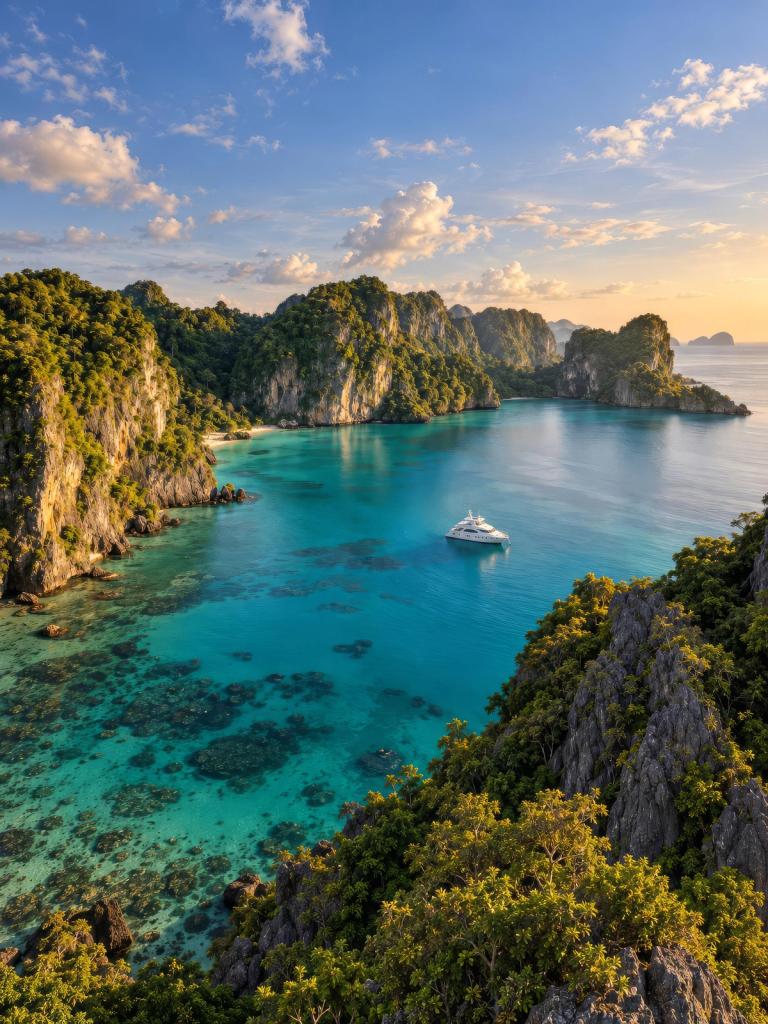
- Best islands in Thailand: from Phuket and Samui to the quiet outer islands.
Bangkok works as the hub for almost every trip. It has the most flights, the widest choice of hotels and the best restaurants. A few nights there at the start or end of a trip fit well. From Bangkok, every region is a short flight away. We prefer it for the first and last nights of any trip.
Often the choice is between two places. Our comparison pages answer the most common choices:
- Phuket vs Krabi and Phuket vs Koh Samui
- Koh Samui vs Koh Phangan and Bangkok vs Phuket
- Hua Hin vs Pattaya and Chiang Mai vs Chiang Rai
If you are still unsure, tell us what an ideal day looks like for you. A yacht and a long lunch point to the Andaman coast. Temples and markets point to Bangkok and the north. Quiet and wellness point to the Gulf islands.
Timing matters for the north too. Chiang Mai is clearest from November to January. From February to April, smoke from field burning can lower the air quality, so we suggest the beaches in those months instead.

Itineraries
Our itineraries turn the decisions above into day-by-day plans. Each one uses realistic travel times, private transfers and the right coast for the season. Start with the master guide, then choose the length that fits your trip. Every plan can be changed around your group.
- Thailand itinerary: the master guide, with routes for every season.
- 7-day itinerary: Bangkok and one beach.
- 10-day itinerary: Bangkok, the north or a second island, and a beach.
- 2-week itinerary: three regions at a relaxed pace.
A good itinerary leaves space. We plan one main activity a day and keep afternoons free on the beach. The longest travel days come early in the trip, when energy is high.
Families need a slightly different shape. We use fewer bases, shorter drives and villas with space for children to play. A babysitter on beach days and early dinners keep everyone happy, and the yacht day is timed around naps.
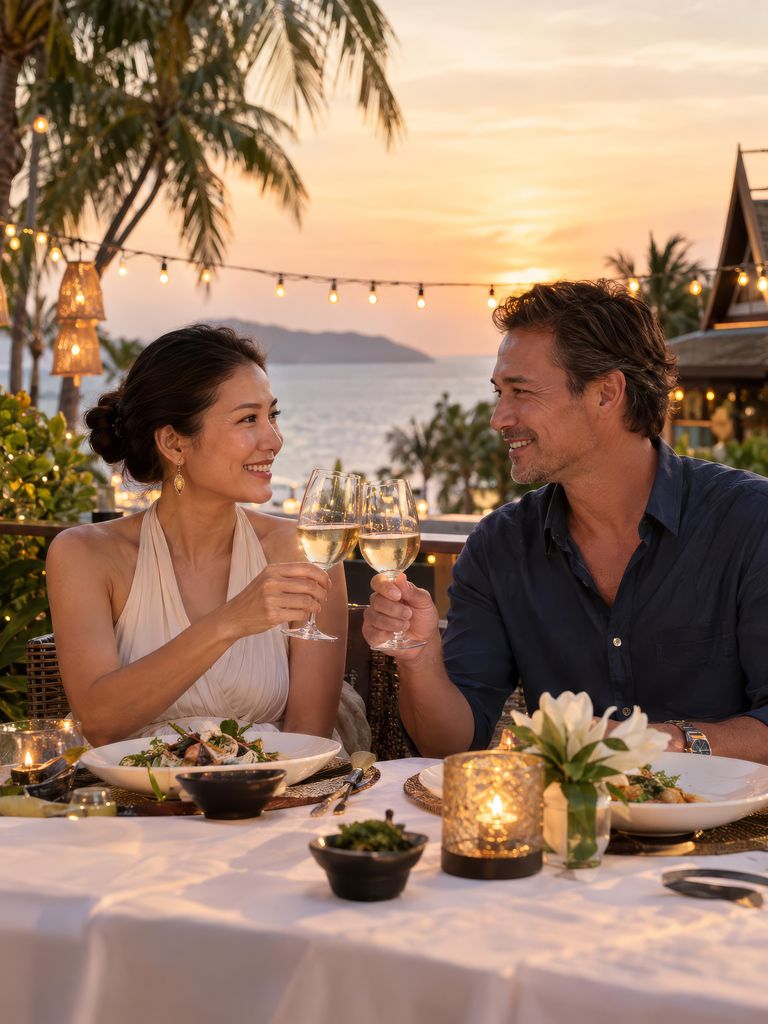
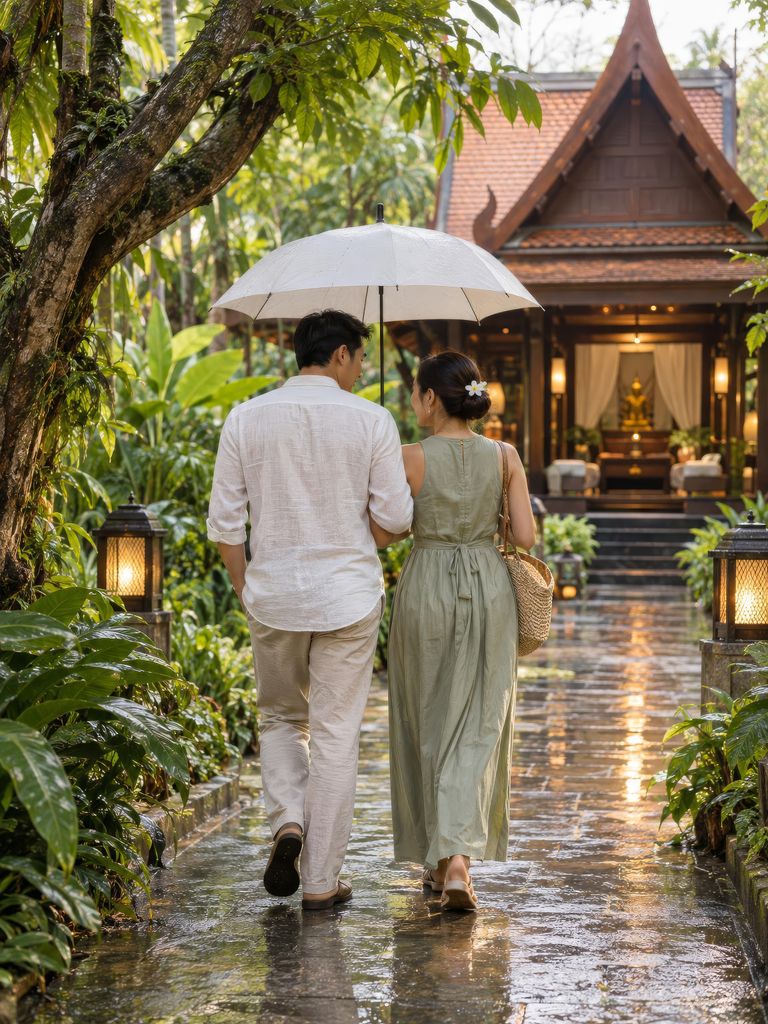
Honeymoons follow their own rhythm: fewer moves, more privacy and a few special evenings. A river suite in Bangkok, then a pool villa on a quiet island, with a private dinner on the beach. That is a classic shape we adjust to each couple.
Staying only in the capital? Our Bangkok itinerary plans your days in the city, from the river to the rooftops.
Flying to Thailand
Bangkok's Suvarnabhumi Airport is the main gateway, and many premium airlines also fly straight to Phuket. Non-stop flights link Thailand with Dubai, Abu Dhabi, Doha, Riyadh, Jeddah, Singapore, Hong Kong, London and Australia. For Koh Samui, Krabi and Chiang Mai, long-haul flights usually connect in Bangkok.
From the Gulf, Emirates flies Dubai to Bangkok in about 6 hours, several times a day. It flies Dubai to Phuket in about 6 hours 5 minutes. Etihad flies Abu Dhabi to Bangkok in about 6 hours 10 minutes. From 25 October 2026 its evening flight is an A380 with The Residence. Qatar Airways flies Doha to Bangkok six times a day from 15 November 2026, and Doha to Phuket three times a day.
From Saudi Arabia, Saudia flies Riyadh to Bangkok in about 7 hours 40 minutes and Jeddah to Bangkok in about 8 hours 15 minutes. Riyadh Air has flown Riyadh to Bangkok since 2 September 2026, with a Business Elite cabin.
From Asia, Singapore Airlines flies Singapore to Bangkok in about 2 hours 25 to 30 minutes. It flies Singapore to Phuket in about 1 hour 45 minutes to 2 hours 5 minutes. Bangkok Airways flies Singapore to Koh Samui in about 1 hour 55 minutes. Cathay Pacific flies Hong Kong to Bangkok in about 2 hours 45 minutes and to Phuket in about 3 hours 30 minutes.
Bangkok Airways also flies Hong Kong to Koh Samui non-stop in about 3 hours 20 minutes. That saves a connection for guests heading straight to the Gulf islands.
From London, British Airways flies non-stop from Gatwick to Bangkok in about 11 hours 25 minutes. Thai Airways and EVA Air fly from Heathrow. Virgin Atlantic flies Heathrow to Phuket in the winter season, from 18 October 2026 to 26 March 2027. These schedules are for winter 2026-27; we check summer timetables when airlines publish them. See our flights to Thailand guide for cabins and routes.
From Australia, Thai Airways flies Sydney and Melbourne to Bangkok twice daily, and Qantas flies Sydney to Bangkok. For Phuket, guests from Sydney connect via Bangkok or Singapore. A private jet is the premium choice for any route without a non-stop business cabin.
On arrival, we book a private meet-and-assist service. Our host meets you in the arrivals hall and walks you through, using the priority lane where your ticket or status allows. The host then walks you to your car with your bags.

How much should a luxury Thailand trip cost?
A luxury Thailand trip costs what your villa, yacht, flights and private transfers cost, so we price each trip on request. For a sense of scale, the Ministry of Tourism and Sports says visitors spent ฿4,865 a day on average in 2025. Visitors from the Middle East spent the most, at ฿7,713 a day.
Those figures are averages for all visitors, not for luxury travel. The main costs of a luxury trip are the place you stay, private aviation and yachts, fine dining and spas. The size of your group matters too. Season also matters: the same villa costs more at Christmas than in June.
Our luxury travel cost guide explains what sets the price of each part of a trip. Tanner then gives you one clear price for your plan, with no package tiers and no hidden extras.
The price covers what we arrange and the person who looks after you during the trip. There is no separate planning fee. You see each part before you confirm, and you can add or remove parts at any time. If flights move, we move the plan.
Villa or hotel?
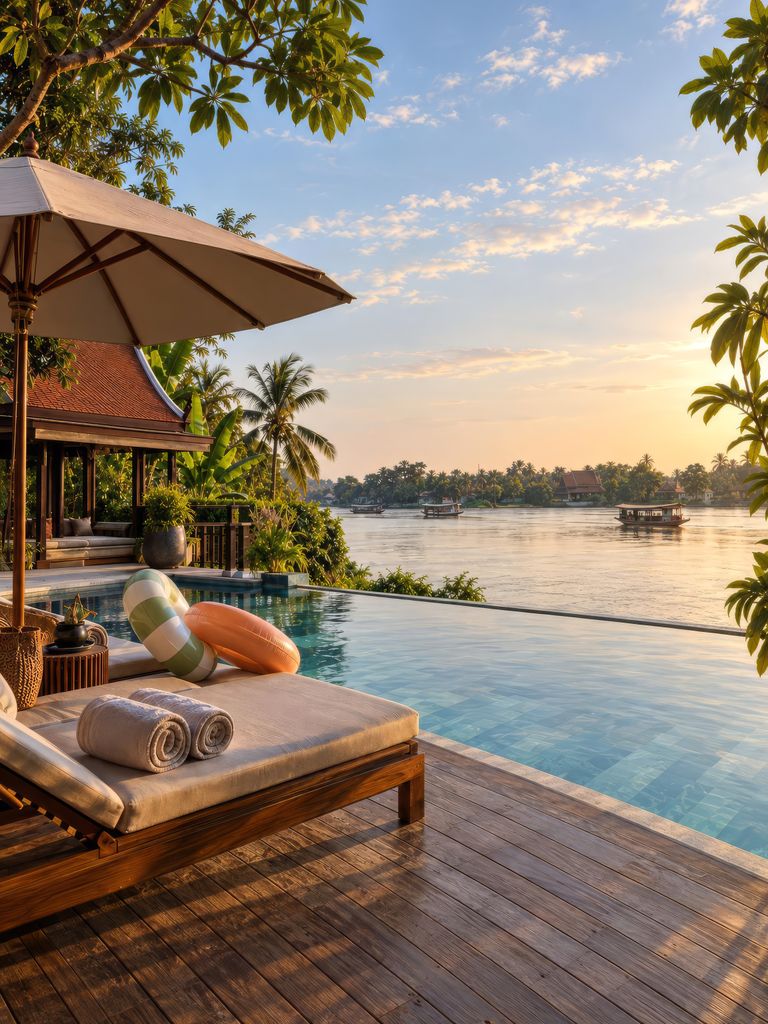
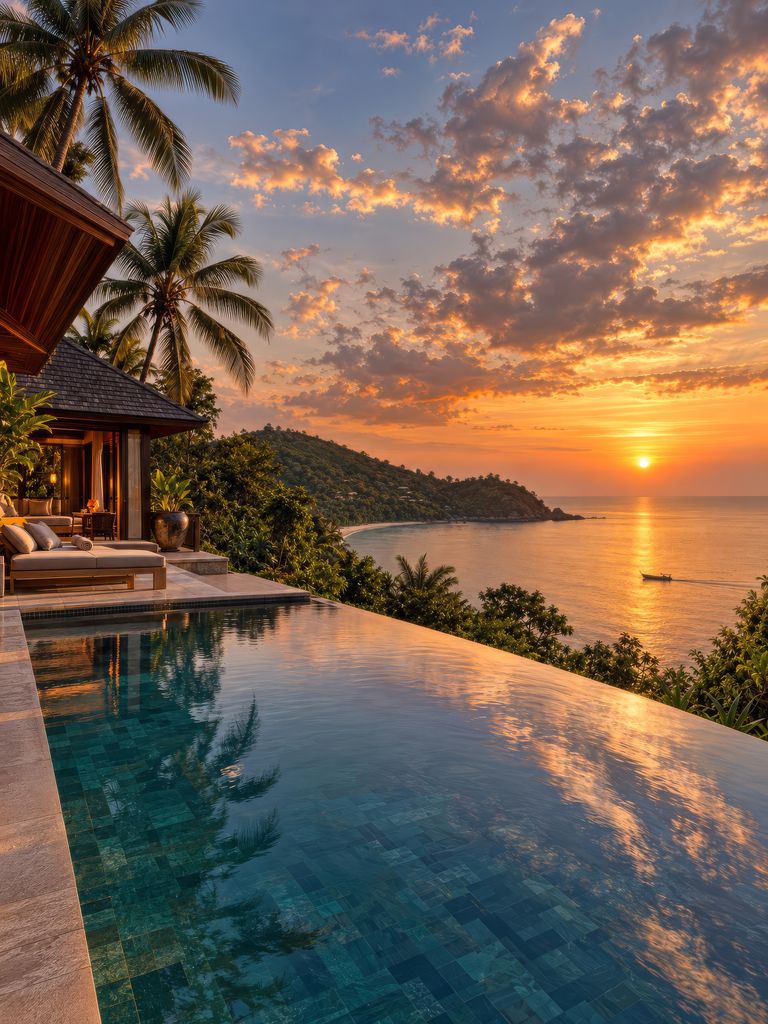
Choose a villa for privacy, space and a group; choose a hotel for service, restaurants and short stays. A villa with a chef and staff suits families and friends travelling together. A great hotel suits couples, business trips and guests who want a spa and dining on site.
By law, a rental with no more than 8 rooms and 30 guests can operate without a hotel licence once registered. That rule comes from a 2023 ministerial regulation. Larger houses need a hotel licence. We check this for every villa we offer. Our villa or hotel guide compares the two in detail.
You can also mix the two. Start in a Bangkok hotel for the city, then move to a beach villa for the main part of the stay. A villa also works well for a celebration, with a private dinner by the pool.
For a group, compare the cost per person, not per night. A large villa shared by several families often costs less per person than the same number of hotel suites. Everyone shares one pool, one chef and one living room.

Entry rules before you fly
Before you fly to Thailand, check three entry rules. Nationals of 60 countries and territories can stay up to 30 days without a visa since 15 September 2026. Every foreign visitor must file the Thailand Digital Arrival Card within 3 days before arrival. Your passport must be valid for at least 6 months on entry.
The arrival card is free and is not a visa; our arrival card guide shows how to complete it. To stay longer than 30 days, you can apply once for up to 30 more days at an immigration office. The fee is ฿1,900. Visa on arrival is now open to only three nationalities.
Insurance is not required for tourists on the visa exemption, though we always suggest good cover. A ฿450 entry fee for foreign visitors has been proposed but is not in force. Our Thailand visa guide covers every nationality and long-stay option.
Officers may also ask to see an onward or return ticket within your permitted stay. They may also ask for proof of funds: ฿10,000 per person or ฿20,000 per family for visa-exempt visitors. Children under 12 are not counted. Keep your return booking on your phone.
Planning for an occasion
Planning for an occasion needs more lead time and a clear checklist. That is true for a wedding, a birthday, a golf trip or a corporate retreat. Our checklists list what to book and when, from the first idea to the last night. Choose the one that fits your trip.
- Bachelor party and villa party
- Wedding week and yacht charter
- Golf trip and corporate event
- Celebrity and VIP visit and VIP nightlife
- Relocation for families and packing for Thailand
For large groups, start early. In the high season, villas, yachts and private dining rooms for 20 or more guests are often booked months ahead. We plan for any group, from one guest or a couple to 30 or more.
Each checklist ends with the questions Tanner will ask you. Answer them early, and the plan comes together quickly: dates, guest numbers, budget, the moments that matter most and anything you do not want.
Occasions also need permissions. A beach wedding, fireworks or a large party may need local approval, and drones need registration. We handle the paperwork with the venue and the local office, so the permits are in place before the day.
Or hand the whole plan to Tanner. He matches every transfer to your flights, books the villa, the yacht and the tables, and reminds each guest to file the arrival card. You message one person when anything changes, and our Thai team in that town handles it. We get back to you right away.