What is the best Japanese restaurant in Bangkok?
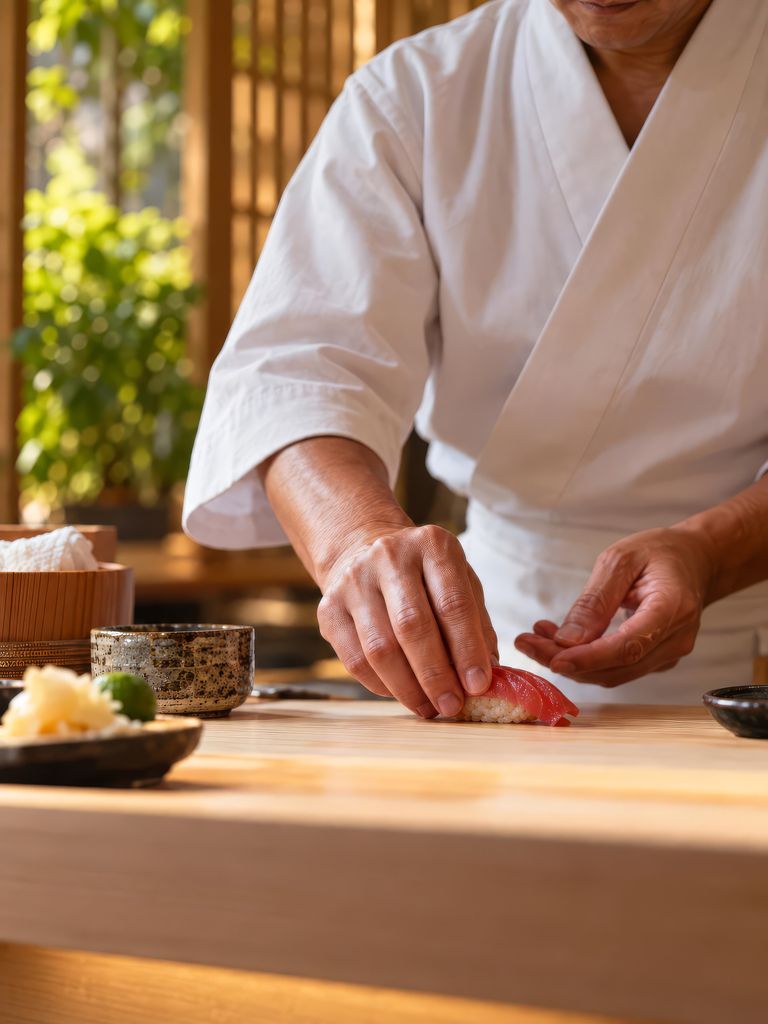
The chef wipes the cedar counter, slices the first piece and sets it in front of you. Eat it now. For a special dinner, the best Japanese restaurant in Bangkok is Sushi Saito, a sushi counter at Four Seasons Private Residences on Charoen Krung Road. For kaiseki, book Kinu by Takagi at Mandarin Oriental. For a lively group dinner with a view, book Nobu Bangkok at The Empire.
Bangkok has a deep Japanese dining scene, with many top counters run by Japanese chefs. The best sit in the riverside hotels, around Gaysorn in Ploenchit and on the Sukhumvit side streets from Soi 31 to Ekkamai.
Our top picks by style:
- Best sushi counter: Sushi Saito, Four Seasons Private Residences.
- Best kaiseki: Kinu by Takagi, Mandarin Oriental.
- Best for a group: Nobu Bangkok, The Empire.
- Best small counter: Jikasei B, Sukhumvit Soi 43, with eight seats.
- Best ramen: Menya Itto, Gaysorn Tower.
- Best for a central lunch: Ginza Sushi Ichi, Gaysorn Village.
Prices at the top counters are high, and most are set menus, so the bill is easy to predict before you go. A sushi counter is intimate and quiet, best for two to six guests. Kaiseki is a slow, seasonal dinner of many small courses. Teppanyaki is lively and good for families. Nobu is a party with a view, and ramen is a quick lunch between shops.
Japanese sauces often use mirin and sake, and many ramen broths use pork. If you eat halal or avoid alcohol in food, tell us when you book, and we steer you to a counter that can adapt.
On a week in Bangkok, we often plan three Japanese meals. Start with a kaiseki dinner early in the trip and a ramen lunch between shops. Save the omakase for the last night, when you have found your taste. Each shows a different side of the cuisine, and none feels like a repeat of the others.
Sushi counters and omakase
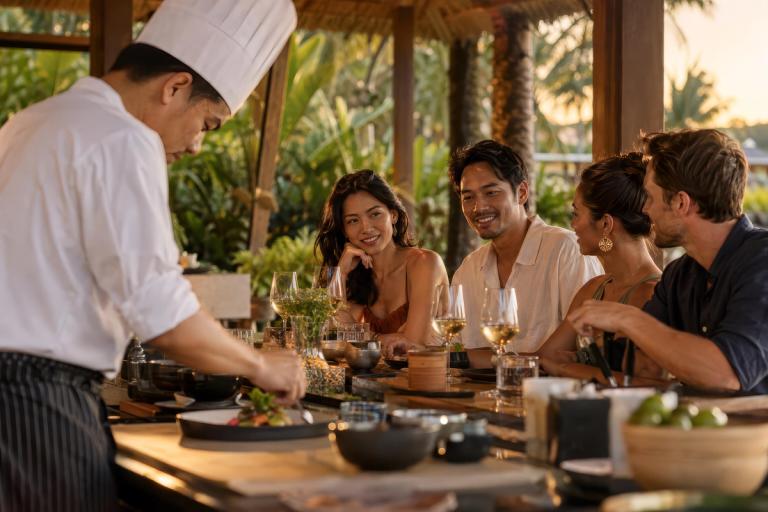
Bangkok's best sushi counters are small, booked ahead and run by Japanese chefs. Seven on our list appear in the MICHELIN Guide Thailand 2026: Sushi Saito, Ginza Sushi Ichi, Sushi Masato, Sushi Saryu, Nikaku, Jikasei B and Seifu. Most serve omakase, where the chef chooses every piece.
Sushi Saito (Four Seasons Private Residences, riverside), with One MICHELIN Star in the 2026 guide. A sushi counter at 300 Charoen Krung Road, beside the Four Seasons hotel, and one of the hardest seats in the city to book. Book it for a celebration or a serious sushi lover, as early as your dates allow.
How does an omakase work? The chef shapes each piece and places it in front of you, and you eat it at once, often by hand. The meal moves from small cooked dishes through the fish of the day, lighter to richer, and ends with soup or a sweet omelette. Tell the chef only what you cannot eat.
Lunch is the best first test of the format: a shorter menu from the same chef and the same fish. Dinner is longer, with more courses and time to talk.
Ginza Sushi Ichi (Gaysorn Village, Ploenchit). On the third floor of Gaysorn Village, Selected in the 2026 guide. Lunch runs from 11:30 to 14:30, last orders 13:30, and dinner from 17:30 to 22:00, last orders 20:00; closed on Mondays. Children over six are welcome. Best for a central lunch between shops, and the MICHELIN Guide's page offers online booking.
Sushi Masato (Sukhumvit Soi 31). A small counter on a quiet side street, Selected in the 2026 guide. It opens from Tuesday to Sunday. Best for a quiet, traditional omakase.
Sushi Saryu (North Sathorn). At street level in the Kronos Sathorn Building, Selected in the 2026 guide, open Tuesday to Sunday and closed on Monday. Best for a business dinner in Sathorn.
Nikaku (W Bangkok, North Sathorn). At street level in W Bangkok, Selected in the 2026 guide. Best for a stylish evening close to Silom's bars and the Sathorn rooftops.
Jikasei B (Sukhumvit Soi 43). An eight-seat counter, Selected in the 2026 guide. With so few seats, a group of six or eight can take the whole room. Best for a private omakase with friends.
Choose by the occasion. For the most celebrated meal, Sushi Saito. For a central lunch, Ginza Sushi Ichi or Umi. For a business dinner in Sathorn, Sushi Saryu or Nikaku. For a private group, Jikasei B, and for a quiet traditional counter, Sushi Masato.
Seifu (Bangkok Marriott Hotel The Surawongse). On the fourth floor, within the Kissuisen restaurant, Selected in the 2026 guide. Best for a hotel setting near the riverside.
Umi (Gaysorn Centre). An omakase counter on the first floor of Gaysorn Centre. Lunch runs from 12:00 to 14:00 and dinner from 17:00 to 22:00. It is not in the 2026 guide, but it is a reliable central choice.
Sesui (Aman Nai Lert Bangkok). The sushi restaurant inside Aman Nai Lert, one of the hotel's seven restaurants and bars. Best for Aman guests or a quiet dinner in Nai Lert Park.
For the full list of counters, with seats and booking tips, read our guide to omakase in Bangkok.
Kaiseki and fine Japanese
Kaiseki is Japan's formal seasonal dinner: many small courses, each built around one ingredient at its best. In Bangkok, the leading kaiseki table is Kinu by Takagi at Mandarin Oriental. Hiori at Aman Nai Lert offers teppanyaki kaiseki, a modern take cooked on a hot plate in front of you.
Kinu by Takagi (Mandarin Oriental, riverside). A ten-course kaiseki dinner that starts at 19:00 sharp, Wednesday to Sunday, the hotel says, so arrive on time. Women are asked to wear elegant clothes and proper footwear, and men long trousers. Kinu was not in the MICHELIN Guide Thailand 2026, but it remains our favourite formal Japanese evening. Best for a couple or a small group who want a slow, beautiful dinner.
Hiori (Aman Nai Lert Bangkok). Teppanyaki kaiseki led by Chef Yoji Kitayama, open to hotel guests, residents, Aman Club Founders and outside guests. Best for a special dinner in a calm, private setting.
Kaiseki follows the seasons, so tell the restaurant about allergies when you book, because each course is planned ahead. Allow two to three hours.
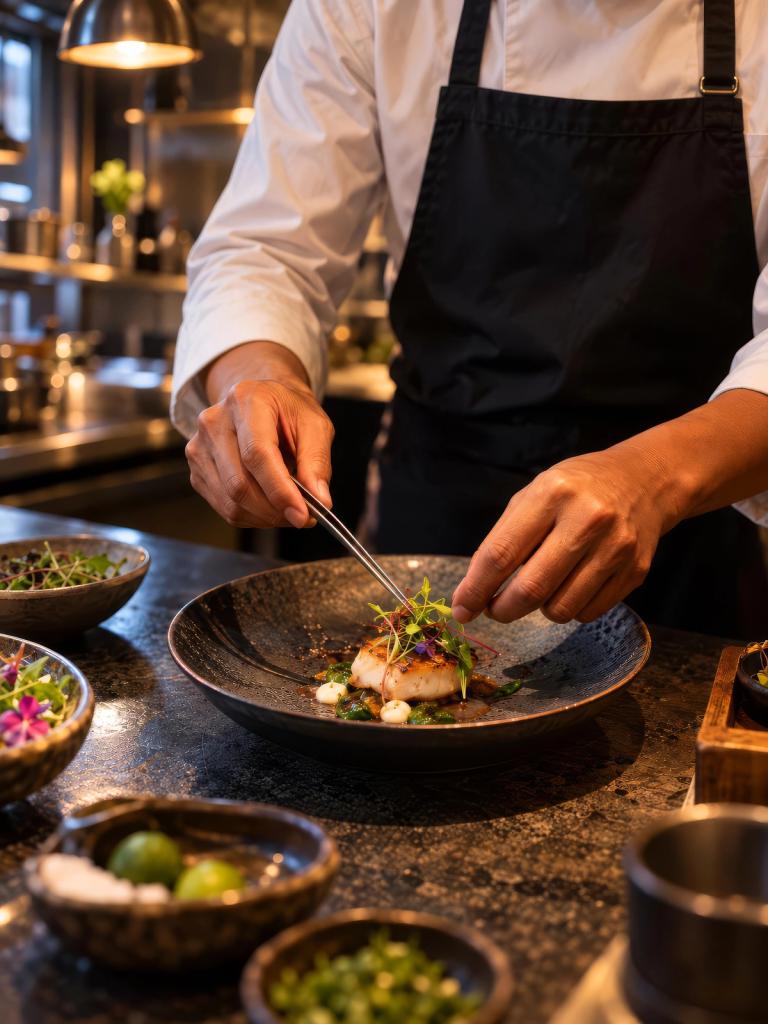
A kaiseki dinner often opens with a small appetiser and a clear soup. Sashimi, a grilled dish, a simmered dish and a steamed dish follow, before rice, pickles and a light dessert. The ceramics change with the month, and beauty matters as much as taste.
Ask the sommelier for a short pairing of three or four sakes rather than a bottle. Non-drinkers can ask for paired Japanese teas.
If you are new to Japanese food, kaiseki is the best introduction. It shows the range of the cuisine, from raw fish to grilled, steamed and simmered dishes, in small portions. Choose it for the first night of a trip, then a sushi counter later in the week.
Kinu sits inside Mandarin Oriental, so the evening continues without a car: The Bamboo Bar in the same hotel has live jazz until late.
Teppanyaki and wagyu
Teppanyaki is cooked on a hot iron plate in front of you, often with wagyu, seafood and garlic rice, and suits families and groups. Kisso at The Westin Grande Sukhumvit and Benihana's two branches are our checked picks.
Kisso (The Westin Grande Sukhumvit, 8th floor). A Japanese restaurant with teppanyaki, open daily for lunch from 12:00 to 14:30 and dinner from 18:00 to 22:30. The dress code is casual. Best for a relaxed family dinner on Sukhumvit.
Kisso's position on Sukhumvit makes it easy to combine with shopping in the area. Lunch is the calmer time to go with children, and the teppanyaki counter keeps them interested from the first dish to the last.
Benihana (Riverside Plaza, Thonburi). The riverside branch serves daily lunch from 12:00 to 14:30 and dinner from 17:00 to 22:30, plus a Saturday brunch from 12:00 to 15:00. A second branch at the Grand Mercure Bangkok Atrium on New Petchburi Road opens daily from 12:00 to 15:00 and 16:00 to 22:00. Best for children, who love the show at the grill.
Wagyu is the star at most teppanyaki tables, and A5 is the top grade of the Japan Meat Grading Association. Rich wagyu is best in small portions, so mix it with seafood and vegetables.
Teppanyaki is the easiest Japanese meal for guests who do not eat raw fish. For a birthday, many chefs add a little theatre at the grill.
For a private teppanyaki dinner, ask for the counter for your group alone; some restaurants close it for a larger booking.
We list only wagyu and yakiniku specialists we can confirm, because several names on older lists have closed.
Modern Japanese and Nobu
For modern Japanese food with a view, Nobu Bangkok is the city's best-known address, on the upper floors of The Empire in Sathorn. The bar lounge is on the 57th floor, the dining room on the 58th and a rooftop on the 60th. Dinner runs from 17:30 to midnight.
Nobu Bangkok (The Empire, Sathorn). Weekday lunch is on the 58th floor from 11:30, last orders 14:00. In the evening, the last reservation is 21:30, the kitchen's last orders 22:30 and drinks until 23:45. Choose it for a lively group or a business dinner, with a sunset drink on the rooftop first.
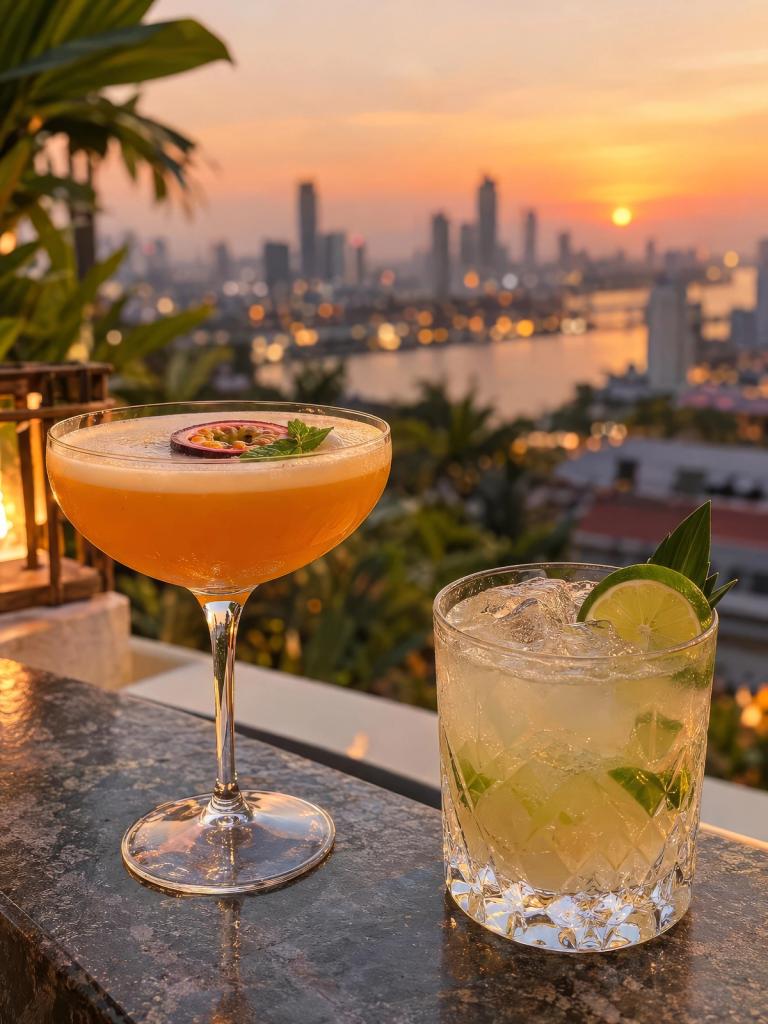
Time the rooftop drink for sunset, then move down as the city lights come on. Weekend tables fill early, so book a week or more ahead for a group.
For a larger group, Nobu's set menus keep the bill clear and let a table of twelve eat together.
Salon du Japonisant (Sukhumvit 39). A Japanese-inspired cocktail bar, open from Tuesday to Sunday, 18:00 to 01:00, and closed on Mondays, for guests aged 20 and over. Best for a drink before or after a sushi dinner in the Sukhumvit quarter.
Modern Japanese restaurants are the easiest for mixed groups, where some of you want sushi and others want cooked dishes. Sharing plates keep the meal relaxed, with plenty for guests who do not eat raw fish.
Nobu's weekday lunch is calmer than the night, with the same view, and suits a business guest. Ask for a window table and allow about an hour and a half.
Izakaya and ramen
For a casual Japanese meal, head to Sukhumvit. The side streets from Soi 31 to Ekkamai form Bangkok's Japanese quarter, with izakaya, yakitori grills and ramen shops. For ramen in the centre, we'd choose Menya Itto.
Menya Itto (Gaysorn Tower, 3rd floor). The ramen shop has moved to Gaysorn Tower and opens daily from 11:00 to 21:00. Best for a quick, excellent lunch near the Ploenchit hotels.
Three MICHELIN-Selected neighbourhood names. The MICHELIN Guide Thailand 2026 also lists Shirokane Tori-Tama, Torisawa 22 on Sukhumvit Soi 49, and Gen at Vibes Ekkamai on Sukhumvit Soi 63. All three are Selected, and suit a relaxed evening in the Japanese quarter.
An izakaya is a Japanese pub that serves food with drinks: grilled skewers, fried chicken, sashimi and small plates to share. Order a few dishes at a time, with sake, Japanese whisky or highballs.
Go for ramen at lunch or early evening, when queues are shorter. Most shops take no bookings, and the best seats are at the counter.
The quarter also has Japanese supermarkets, bakeries and small bars. Start with a drink at Salon du Japonisant, eat at a small counter, then walk to a bar nearby. Read our guide to Sukhumvit for the area.
Weekday evenings are busiest, when Japanese residents meet after work, and many small restaurants close between lunch and dinner. We plan the route and send a car, because the side streets are slow at rush hour.
Booking, prices and etiquette
Book the best sushi counters as far ahead as you can, especially for weekends and December. Most fine-dining prices are "++", adding a service charge and 7% VAT. The Department of Internal Trade says the service charge should be 10% or less and shown before you order.
At a counter, arrive on time, because many serve all guests at once. Skip strong perfume, ask before you take photos, and eat each piece soon after it is placed. Check age rules for children: Ginza Sushi Ichi welcomes children over six.
Many top counters take a card guarantee and charge for late cancellations or no-shows. We confirm the terms in writing and reconfirm on the morning of your dinner. Running late? Call ahead, because the chef may not be able to wait.
Tipping is not expected on top of a service charge; a word of thanks to the chef means a great deal.
For a group, ask about private rooms or a full-counter booking; hotel restaurants have the most flexible rooms. More are listed under private dining rooms in Bangkok.
Dietary needs are easiest to manage when you book. Many counters can adapt for allergies or for guests who do not eat raw fish, but some cannot change a set omakase. We ask each restaurant for you before we confirm the table.
How we choose
We checked every restaurant on this list against the MICHELIN Guide Thailand 2026 and the venue's own pages. Each is open, with published hours or seats. We leave out restaurants we cannot confirm, and no restaurant pays to be here.
We check this list every quarter, because restaurants open, move and change chefs often. We favour a clear Japanese kitchen tradition, good sourcing and a calm, well-run room.
The MICHELIN Guide Thailand 2027 is revealed on 10 November 2026, and we update every label after it. For starred restaurants, read our guide to Michelin restaurants in Bangkok.
Plan it with Tanner
Tanner books the hard-to-get counters, the kaiseki table and the private rooms, and sends a car there and home. One planner covers two guests or a full counter of eight. We call each kitchen about your diet, and if a famous counter is not worth the queue, you hear it from us.
See our chauffeur service for evenings across the city.
Example plan: a sunset drink on the Nobu rooftop, then omakase at a small Sukhumvit counter. A cocktail at Salon du Japonisant closes the night. For a slower night, book Kinu by Takagi and walk the river terrace at Mandarin Oriental.